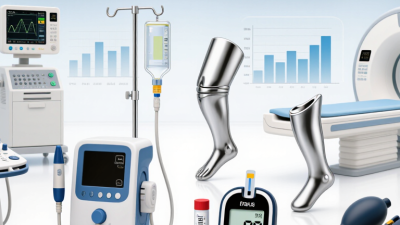
Choosing among the 7 best surgical kits for hospitals and clinics requires more than comparing prices or instrument counts. Each kit should match the procedure, facility size, surgeon preference, and sterilization capacity. A compact general surgery set may suit an outpatient room, while a larger orthopedic kit needs stronger instruments, deeper trays, and careful weight management.
Look closely at construction, balance, corrosion resistance, and instrument markings. Under bright operating lights, readable labels can prevent hurried selection errors. Trays should support organized preparation, efficient counting, and safe transport between the operating room and sterilization area. Reliable manufacturers also provide material details, cleaning guidance, inspection procedures, and replacement support. These details matter after the initial purchase.
There is no universal best kit.
This guide evaluates seven surgical kits through practical criteria, including completeness, durability, ergonomic handling, maintenance demands, and value over time. It also considers how well each option fits different clinical environments, from busy hospitals to smaller specialist clinics. A kit that appears economical may create hidden costs through missing instruments, difficult reprocessing, or frequent replacements. Conversely, a premium set may include tools that remain unused.
Some evaluations remain imperfect. Product availability, regional standards, and clinician preferences can change the final decision. Therefore, purchasing teams should compare current specifications, verify compatibility with their sterilization workflow, and request professional demonstrations when possible. The goal is not to choose the largest set, but to select surgical kits that support consistent, traceable, and patient-focused care.
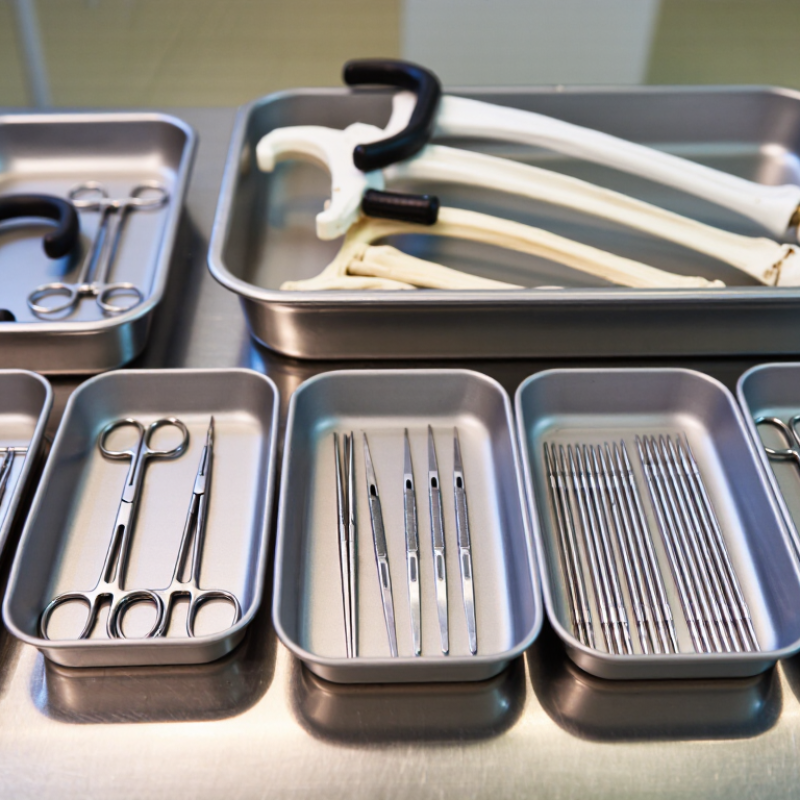
When hospitals call a surgical kit “best,” compliance should mean more than a polished instrument tray. FDA expectations begin with intended use, device classification, labeling, and documented control of each component. A kit may require different regulatory evidence when instruments are bundled, sterilized, or sold for a specific procedure. Registration alone is not clearance. Procurement teams should verify current records, unique device identification, warnings, and traceability before approval.
AAMI guidance adds operational discipline. Look for validated cleaning instructions, sterilization parameters, packaging integrity, and clear separation of sterile and nonsterile items. An experienced sterile-processing technician should follow the instructions without guessing. Small details matter. Can the tray survive repeated handling? Is the chemical indicator readable after exposure? Are damaged wraps removed immediately? These questions expose weaknesses that a catalog description can hide.
ISO 13485 shifts attention toward the manufacturer’s quality management system. Review documented risk controls, supplier qualification, complaint handling, corrective actions, and lot-level records. Request audit evidence when available, not only a certificate. Yet compliance documents should not end the review. Documents can be current while workflow remains unsafe. Observe assembly, transport, storage, and point-of-use opening in real clinical conditions. If staff repeatedly improvise around missing instruments or unclear instructions, the kit is not meeting its practical purpose. If staff repeatedly improvise around missing instruments or unclear instructions, the kit is not meeting its practical purpose. That gap deserves correction before purchase approval.
Compare General, Minor-Surgery, and Microsurgery Kits by Procedure
General surgical kits support larger procedures with broad instrument coverage. They commonly include scalpels, tissue forceps, hemostats, scissors, needle holders, retractors, and suction accessories. A well-planned kit should match the operating department’s case mix, not simply contain more instruments. Heavy retractors suit deep exposure, while longer instruments help during abdominal procedures. Too many unused tools can slow setup and complicate sterilization.
Minor-surgery kits are smaller and easier to organize. They often contain fine forceps, compact scissors, needle holders, skin hooks, and wound-measuring tools. These kits work well for outpatient lesion removal, wound revision, and superficial soft-tissue procedures. The tray should allow quick access under bright examination lighting. In practice, staff sometimes select an oversized kit for a simple procedure. That wastes time and increases handling.
Microsurgery kits require the greatest precision. They use delicate forceps, micro-scissors, needle holders, vessel dilators, and specialized clamps. Instrument balance matters because excessive pressure can damage fragile tissue. These tools also need careful inspection after every sterilization cycle. A bent tip may be difficult to notice. No kit is perfect. Hospitals should review procedure records, surgeon feedback, cleaning results, and replacement costs before standardizing seven kit configurations. Training remains essential, even with excellent instruments.
7 Best Surgical Kits for Hospitals and Clinics
Instrument scope matters more than kit count. Orthopedic kits should cover fixation, drilling, reaming, reduction, and implant handling. Their trays need durable drivers, calibrated guides, and backup instruments for damaged or missing parts. A narrow fracture set may save space, but it can delay surgery when anatomy changes.
Laparoscopic kits require reliable graspers, scissors, dissectors, clip appliers, trocars, and camera-compatible accessories. Insulation damage deserves close inspection. The World Health Organization reports that one in ten patients experiences harm during healthcare, with more than half considered preventable. Inadequate inspection and incomplete trays can add avoidable risk. Small details matter here.
Vascular kits demand fine control. Include atraumatic clamps, vessel loops, tunnellers, dilators, and instruments suited to open exposure. Some facilities also need graft-handling tools and shunts, depending on procedure volume. The Association for the Advancement of Medical Instrumentation emphasizes documented inspection, cleaning, assembly, and sterilization practices. Still, one weakness remains: many kit lists follow habit instead of real procedure data. Reviewing missing instruments, setup time, and emergency substitutions can reveal that gap. No kit fits every service.
| Rank | Kit Type | Primary Clinical Use | Core Instrument Scope | Typical Instrument Count | Specialized Items | Best Operational Fit | Scope Rating |
|---|---|---|---|---|---|---|---|
| 1 | Basic General Surgery Kit | Open soft-tissue procedures, wound exploration, abscess drainage, and routine surgical access | Scalpels, dissecting scissors, tissue forceps, hemostatic clamps, needle holders, retractors, suction tip, and instrument tray | Approx. 35–60 | Several retractor sizes, atraumatic graspers, and interchangeable suction accessories | General hospitals, emergency departments, and multispecialty clinics | Very broad |
| 2 | Basic Laparoscopic Kit | Diagnostic laparoscopy and common minimally invasive abdominal procedures | Trocars, laparoscopic graspers, dissectors, scissors, needle holder, suction-irrigation instrument, camera-compatible accessories, and hand instruments | Approx. 25–45 | 5 mm and 10 mm instruments, atraumatic bowel graspers, and angled dissectors | Clinics and hospitals performing routine minimally invasive abdominal surgery | Broad |
| 3 | Advanced Laparoscopic Cholecystectomy Kit | Laparoscopic gallbladder surgery and selected upper-abdominal procedures | Fine dissecting instruments, locking graspers, clip appliers, angled dissectors, laparoscopic scissors, suction-irrigation, and specimen retrieval accessories | Approx. 30–50 | Multiple clip-applier sizes, atraumatic graspers, and specimen retrieval bag | Day-surgery centers and hospitals with regular laparoscopic biliary caseloads | Procedure-focused |
| 4 | Major Orthopedic Joint Kit | Large-joint exposure and reconstruction procedures involving the hip or knee | Heavy retractors, bone levers, osteotomes, mallet, rongeurs, curettes, elevators, clamps, measuring tools, and deep exposure instruments | Approx. 60–120 | Large-joint retractors, alignment guides, broaches, rasps, and trial-sizing instruments | Orthopedic hospitals and operating rooms with arthroplasty services | Highly specialized |
| 5 | Orthopedic Small-Bone and Trauma Kit | Fracture fixation and reconstruction of the hand, wrist, foot, ankle, and smaller long-bone segments | Small retractors, periosteal elevators, reduction forceps, bone-holding forceps, drill guides, depth gauges, countersinks, and screwdrivers | Approx. 45–90 | K-wire instruments, plate-bending tools, small osteotomes, and implant-specific drivers | Trauma units and orthopedic centers managing upper- and lower-extremity injuries | Specialized |
| 6 | Peripheral Vascular Surgery Kit | Arterial exposure, vessel repair, thrombectomy, bypass access, and peripheral vascular procedures | Atraumatic vascular clamps, vessel dilators, fine forceps, vascular scissors, needle holders, vessel loops, tunneling instruments, and suction | Approx. 35–70 | Bulldog clamps, angled vascular clamps, Fogarty-type catheter compatibility, and fine atraumatic instruments | Vascular departments and hospitals providing open peripheral arterial care | Highly specialized |
| 7 | Minor Procedure and Outpatient Kit | Skin excision, biopsy, superficial wound care, minor lesion removal, and outpatient procedures | Scalpel handles, fine scissors, tissue and dressing forceps, mosquito clamps, needle holders, skin hooks, curettes, and small retractors | Approx. 20–40 | Fine dermatology forceps, punch-biopsy accessories, small skin hooks, and local-anesthesia procedure accessories | Outpatient clinics, dermatology practices, urgent-care centers, and minor-procedure rooms | Broad for minor care |
In time-critical hospital care, the best surgical kits are organized around predictable emergencies. Seven useful categories include obstetric delivery, cesarean, postpartum hemorrhage, gynecologic surgery, major trauma, chest emergency, and orthopedic wound kits. Each should contain sterile instruments, protective equipment, suction accessories, dressings, and clearly labeled disposables. Contents must match the facility’s procedures, staffing, and patient population.
OB/GYN kits need fast access to clamps, scissors, needle holders, speculums, sutures, and hemorrhage-control supplies. A cesarean kit should separate essential instruments from backup items. This reduces searching during a crowded operating-room response. Trauma kits require stronger prioritization. They should support bleeding control, wound exploration, airway assistance, fracture stabilization, and rapid transfer to definitive care. Staff should identify every item without opening several packs.
Reliability depends on more than a complete checklist. Nurses and surgeons should inspect seals, expiration dates, instrument function, and packaging damage during scheduled checks. Short drills can reveal missing steps. Real rooms are messy. That matters. A kit that works on paper may slow care when gloves are misplaced or labels are unclear. Color coding can help, but it should never replace staff training. Local clinical leadership must approve contents and review them after difficult cases. Even experienced teams can overlook small problems, especially when kits are rarely opened. Feedback from those events should shape the next revision.
Choosing among the 7 best surgical kits for hospitals and clinics requires more than comparing instruments. Sterility must be verified at every stage, from packaging inspection to final storage. The WHO reports that about 7 in 100 patients in high-income countries and 15 in 100 patients in low- and middle-income countries acquire at least one healthcare-associated infection. These figures make reprocessing discipline a clinical priority.
A reliable kit should include clearly identified instruments, intact sterile barriers, and readable lot records. Staff should check chemical indicators before opening each pack. After use, instruments need prompt cleaning, careful inspection, proper drying, and validated sterilization. Hinges, serrations, and narrow channels deserve extra attention. Residue can remain hidden there.
Reprocessing instructions must match the kit’s materials and design. Automated washing may help, but it does not replace visual inspection. Sterilizer cycles should be monitored, documented, and reviewed when results look unusual. Storage areas should stay dry, clean, and protected from unnecessary handling. Small failures matter.
A checklist helps. It is not perfect.
In practice, staff may rush during emergencies, and documentation may become incomplete. That weakness deserves honest review, not blame. Hospitals can strengthen reliability through competency checks, routine audits, and clear separation between sterile and contaminated workflows. A surgical kit is only as dependable as the people, equipment, and process supporting it.
Verify sterility and reprocessing against WHO’s reported 7%–15% healthcare-associated infection range.
WHO reports that healthcare-associated infections affect approximately 7% of patients in high-income countries and up to 15% in low- and middle-income countries. These benchmarks are population-level estimates, not performance claims for any surgical kit. Every kit should be validated through local cleaning, inspection, packaging, sterilization, storage, and release procedures.
© 2025 Henleys Medical Supplies | Website Cookies & Privacy Policy | Company Privacy Notice | Terms of Sale | Cancellation & Returns | Company Reg No. 452882 | Vat No. GB229 2540 68 | Web design by Cariad Marketing