How to Choose the Best Respiratory Supplies for Your Needs?
Choosing the right respiratory supplies is crucial for those with breathing difficulties. Dr. Emily Rivers, a leading expert in respiratory health, emphasizes, "Finding the correct equipment can improve quality of life significantly." With countless options available, selecting suitable supplies can feel overwhelming.
Many factors must be considered. For example, different conditions require different types of support. Patients may need inhalers, nebulizers, or oxygen tanks. Each option has specific functions, and understanding these is vital. Not every product suits everyone. It’s essential to evaluate personal needs and doctor recommendations.
Finding reliable information is equally important. Many online resources can help, but not all are trustworthy. Consulting with healthcare providers offers professional insights. They can guide you toward the best respiratory supplies tailored for your situation. The journey to better breathing starts with informed choices. Reflect on your needs and aim for quality support.

Factors to Consider When Selecting Respiratory Supplies for Patients
When selecting respiratory supplies for patients, several factors must be considered. Understanding the patient’s specific needs is crucial. Different conditions, such as asthma or COPD, require different types of supplies. According to the Global Initiative for Chronic Obstructive Lung Disease (GOLD) report, nearly 251 million people suffer from COPD worldwide. This highlights the importance of tailored solutions.
Consider the comfort and fit of the equipment. Poorly fitting masks or inhalers can lead to ineffective treatment. A study published in the Journal of Respiratory Medicine noted that patient satisfaction increases when supplies are comfortable. Always check for proper sizing options when making a selection.
Tips for selecting respiratory supplies: prioritize patient feedback during the selection process. Engage with patients to understand their experiences. Additionally, look for equipment with easy usability features. Supplies should not only meet medical needs but also enhance the user's experience. Regularly reassess your choices—over time, needs may change. Listening to patients can provide insights for better treatment outcomes.
Understanding Different Types of Respiratory Equipment Available in the Market
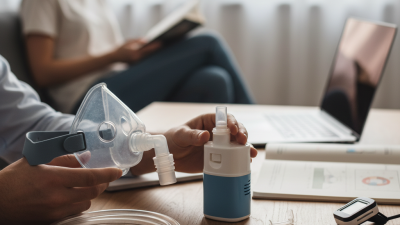
When selecting respiratory equipment, understanding the options is crucial. Various types of respiratory supplies cater to different needs. For instance, nebulizers deliver medication through mist. They are ideal for children who struggle with inhalers. However, some may find nebulizers less portable. This consideration is crucial for active lifestyles.
In addition to nebulizers, there are CPAP machines. They assist those with sleep apnea by providing continuous air pressure. Not every patient finds CPAP comfortable. Adjusting to its use can be challenging. Breathing masks are another option, often used for different conditions. These masks come in various designs. Some provide full face coverage, while others cover only the nose and mouth. Choosing the right mask impacts therapy effectiveness.
Many patients also need oxygen concentrators. These devices help those with low oxygen levels breathe easier. They can be bulky, making mobility an issue. Understanding each type of equipment available allows for better decision-making. Reflecting on personal needs and preferences is vital. Each piece of equipment holds unique benefits and drawbacks.
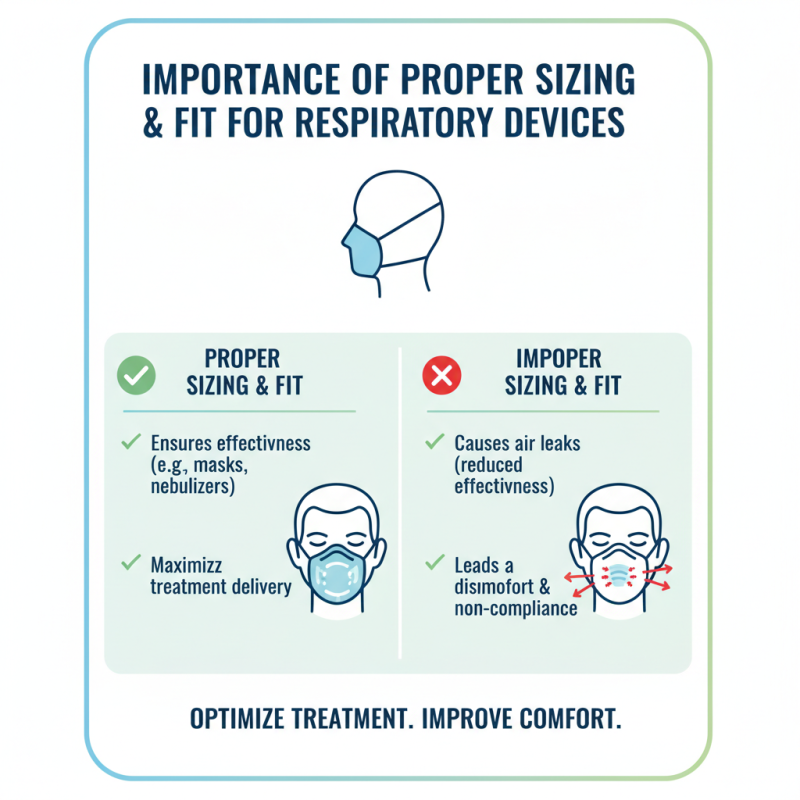
Importance of Proper Sizing and Fit for Respiratory Devices
Choosing the right respiratory supplies involves careful consideration of sizing and fit. Proper sizing ensures that devices like masks and nebulizers work effectively. An ill-fitting mask can lead to air leaks, reducing the treatment's effectiveness. It may also cause discomfort, making the user less compliant in their treatment.
When selecting a respiratory device, one must take measurements seriously. That means following guidelines for different devices. For instance, many masks come in various sizes. A quick fit test can help determine which size feels best. If it feels too tight or too loose, the next size should be tried. Sometimes, it’s hard to find the right fit initially, so don’t rush this process.
Comfort is key. A well-fitted device encourages regular use. However, it can be easy to overlook this when urgency strikes. Regular consultations with healthcare providers can help ensure that the right fit is maintained over time. Remember, just because a device looks good or seems popular doesn’t mean it’s right for you. Personalization is crucial in respiratory care, and taking the time to find proper fit will pay off in the long run.
Evaluation of Manufacturer Standards and Product Certifications
When selecting respiratory supplies, evaluating manufacturer standards is vital. Not all companies adhere to the same quality benchmarks. Investigate the certifications that demonstrate compliance with health and safety regulations. Look for ISO certifications, which indicate a commitment to quality management. This can enhance your confidence in the product’s reliability.
Consider the specific needs of your situation. A product may meet general standards but not address your unique requirements. Misinterpretation of standards may lead to inadequate supplies. It’s crucial to read reviews, seeking insights from users with similar conditions. Inconsistencies may arise between perceived efficacy and actual experience.
Research indicates that many suppliers provide minimal information about their certifications. Transparency is essential for making informed choices. Incomplete or vague details can lead to concerns about safety. Take time to dig deeper and verify claims made by manufacturers. This can help mitigate risks in your respiratory health.
Assessing Cost-effectiveness and Insurance Coverage for Respiratory Supplies
When choosing respiratory supplies, assessing cost-effectiveness and insurance coverage is crucial. These factors directly impact your budget and health management. Many options exist for respiratory products, each with different price points. It’s essential to evaluate which supplies align with your financial situation. Research the cost of various devices like CPAP machines or nebulizers. Some may seem affordable initially but incur additional expenses over time.
Insurance plans differ widely in what they cover. Understanding your coverage options is vital. Some plans fully cover certain respiratory supplies, while others may only provide partial reimbursement. Contact your insurance provider to discuss what items are included in your plan. Knowledge about your coverage helps avoid unexpected bills.
Consider consulting with a healthcare professional. They can provide insights into the necessary supplies for your condition. Their recommendations are often based on experience and clinical evidence. However, it's crucial to remain aware that not all recommended products may be covered by insurance. Balancing expert advice with practical financial considerations is key for optimal respiratory health.
How to Choose the Best Respiratory Supplies for Your Needs?
| Type of Respiratory Supply |
Average Cost ($) |
Insurance Coverage (%) |
Additional Features |
| Nebulizer |
150 |
80 |
Portable, easy to use |
| CPAP Machine |
800 |
90 |
Adjustable pressure, quiet operation |
| Oxygen Concentrator |
2000 |
75 |
Continuous flow, energy efficient |
| Inhaler |
50 |
100 |
Portable, immediate relief |
| Pulse Oximeter |
30 |
100 |
Quick oxygen level measurement |