Call us on 01707 385 226

What Are the Top Respiratory Supplies for 2026?

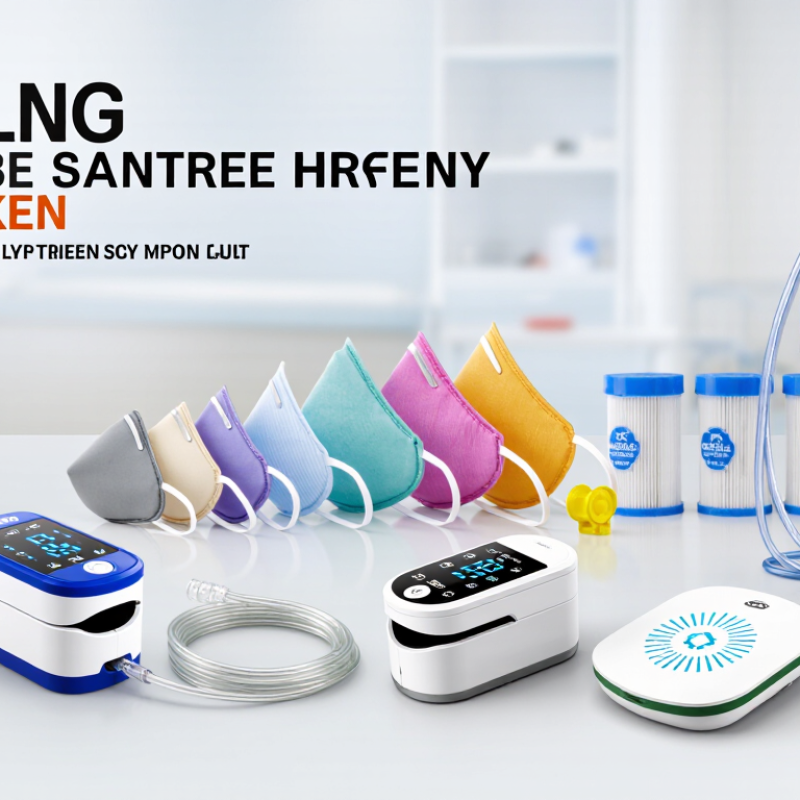
Choosing the right respiratory supplies in 2026 will require more than following product trends. Healthcare teams must match equipment to patient needs, clinical settings, and emergency readiness. A reliable kit may include nebulizers, oxygen tubing, pulse oximeters, spacers, filters, masks, and replacement parts. Small details matter. A poorly fitted mask can reduce comfort and treatment effectiveness.

This guide examines leading respiratory supplies through practical, evidence-informed criteria. It considers accuracy, durability, infection-control features, user comfort, and compatibility with existing equipment. Clinical guidance, manufacturer instructions, and professional experience should support every purchasing decision. A compact pulse oximeter may help monitor oxygen saturation during home care, while a high-quality nebulizer can support consistent medication delivery. However, not every device suits every patient. Age, mobility, allergies, diagnosis, and care environment can change the best choice.

No checklist is perfect. Some products look efficient but create extra cleaning work. Others appear affordable but require costly accessories. These limitations deserve attention before purchase. The 2026 landscape may also bring smarter monitoring tools and more connected devices, yet digital features cannot replace clinical judgment. Readers should verify current approvals, maintenance requirements, and local healthcare recommendations. Practical testing remains valuable. A device that works well on paper may feel noisy, heavy, or confusing at the bedside. This overview aims to identify dependable options while encouraging careful review, realistic expectations, and safer respiratory care.

What Are the Top Respiratory Supplies for 2026?

Respiratory Supplies: Definition, Purpose, and Main Categories

What Are the Top Respiratory Supplies for 2026?

Respiratory supplies are devices and consumables that support breathing, monitoring, diagnosis, or airway care. Their purpose varies. Some deliver oxygen, while others measure lung function or reduce airway obstruction. The World Health Organization reports that chronic obstructive pulmonary disease caused about 3.5 million deaths in 2021. This figure shows why reliable respiratory equipment matters in homes and clinical settings.

The main categories include oxygen supplies, nebulizers, positive airway pressure devices, spirometers, pulse oximeters, suction equipment, and disposable tubing. Oxygen concentrators and cylinders support patients with prescribed oxygen needs. Nebulizers convert liquid medicine into an inhalable mist. Positive airway pressure systems help maintain an open airway during sleep. Spirometers measure airflow, while pulse oximeters provide quick oxygen-saturation readings.

Small details affect real-world performance. A loose mask can cause leaks. A blocked filter can weaken airflow. Wet tubing may also reduce comfort. The WHO’s 2024 COPD guidance emphasizes accurate assessment and appropriate long-term management, not equipment alone. The Global Burden of Disease Study 2021 also identifies chronic respiratory conditions as a major source of disability worldwide. Buyers should check clinical guidance, maintenance requirements, battery life, alarm functions, and replacement schedules. No category fits everyone. I may be too quick to call monitoring devices “supplies”; they are also decision tools, and poor readings can mislead care.

Essential Respiratory Supplies for Home and Clinical Use in 2026

What Are the Top Respiratory Supplies for 2026?

Essential respiratory supplies should support safe breathing at home and in clinical settings. A reliable home kit may include a prescribed inhaler, a spacer, a digital thermometer, and a validated pulse oximeter. Keep spare batteries nearby. Small details matter.

The World Health Organization reports that chronic obstructive pulmonary disease caused 3.5 million deaths in 2021. Its 2024 respiratory disease guidance also stresses early assessment and continuous care. For patients using inhaled medicine, a spacer can improve delivery and reduce technique errors. Yet many people still use inhalers incorrectly. A trained clinician should check technique regularly, not just during emergencies.

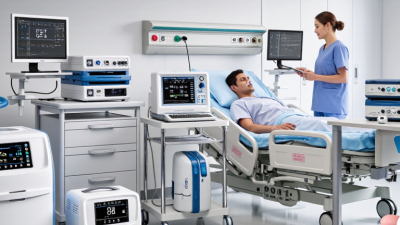
Clinical environments need more structured supplies. These may include oxygen delivery equipment, nebulizer systems, suction devices, disposable gloves, masks, and respiratory monitoring tools. Oxygen requires professional assessment and a clear prescription. More is not always safer. The Global Initiative for Asthma 2025 strategy emphasizes personalized treatment and regular review, rather than relying on rescue medication alone. Pulse oximeters can help identify changes, but readings may be affected by cold fingers, movement, skin pigmentation, or poor circulation. They should not replace clinical judgment.

Families should record symptoms, oxygen readings, medication times, and unusual fatigue. This creates useful evidence during consultations. However, home records can be incomplete or misunderstood. That is worth admitting. Supplies work best when matched to a person’s diagnosis, age, environment, and care plan.

Top Respiratory Supplies for 2026

Essential respiratory supplies for home and clinical use

This chart maps commonly used respiratory supplies to their primary functions. Pulse oximeters support oxygen-saturation monitoring; oxygen concentrators and nasal cannulas deliver supplemental oxygen; nebulizers deliver inhaled medication; peak flow meters assess expiratory flow; and suction devices assist with airway clearance. Actual equipment selection should follow clinical advice and the manufacturer’s instructions.

How to Choose Respiratory Equipment for Different Patient Needs

Choosing respiratory equipment in 2026 should begin with the patient, not a product list. A clinician should assess diagnosis, breathing pattern, oxygen levels, mobility, sleep, and home support. A portable oxygen system may suit an active patient; a stationary unit may suit someone near a bed. Oxygen flow must follow a prescription. More is not automatically safer. For short-term congestion, a nebulizer can deliver prescribed medicine, but cleaning remains essential. Small errors matter.

Patients with obstructive sleep apnea often need CPAP, while some complex breathing conditions require bilevel support. Mask shape, seal, pressure settings, and humidification affect adherence. Fit comes first. A technically advanced device can fail if the mask leaks or feels claustrophobic. Try different sizes under professional guidance. Check alarms, tubing, filters, battery options, and noise before home use. Caregivers should understand setup and emergency steps, not just switch the machine on.

For children, older adults, and people with limited dexterity, simple controls and readable displays are practical priorities. Ask how supplies will be replaced and whether local service is available. Follow cleaning instructions and schedule clinical reviews. I would not treat online ratings as proof of safety. They can reflect comfort, not medical suitability. Even a careful choice may need revision when symptoms, weight, or living conditions change. That part is easy to overlook.

Safety, Maintenance, and Proper Use of Respiratory Supplies

What Are the Top Respiratory Supplies for 2026?

Safety begins with choosing supplies that match the user’s medical plan. Common essentials include masks, tubing, filters, spacers, nebulizer parts, pulse oximeters, and oxygen equipment. A healthcare professional should confirm the correct size and settings. A comfortable mask is not always a safe mask. Air leaks can reduce treatment and irritate the skin.

Check equipment before every use. Look for cracked tubing, loose connections, blocked filters, or damaged cords. Wash reusable parts only as directed by the manufacturer. Some components need mild soap and air drying, while others require replacement. Never share masks or mouthpieces. Keep oxygen away from flames, smoking materials, heat, and oil-based products. Store supplies in a clean, dry place.

Proper use requires patience. Sit upright, breathe steadily, and follow the prescribed schedule. Do not change oxygen flow or medication amounts without clinical advice. A pulse oximeter can provide useful information, but readings may be affected by cold fingers, movement, or nail products. Keep a simple maintenance record with cleaning dates and replacement needs. Small details matter.

Even careful users make mistakes. A rushed cleaning routine can leave moisture inside tubing. That moisture may support contamination or disrupt airflow. If breathing suddenly worsens, equipment alarms, or symptoms feel unusual, stop and seek professional help promptly. Review technique regularly, because familiar equipment can still be used incorrectly.

What Are the Top Respiratory Supplies for 2026? — Safety, Maintenance, and Proper Use of Respiratory Supplies
Respiratory Supply Primary Purpose Key Performance or Protection Information Proper Use Cleaning and Maintenance Replacement Guidance Important Safety Considerations
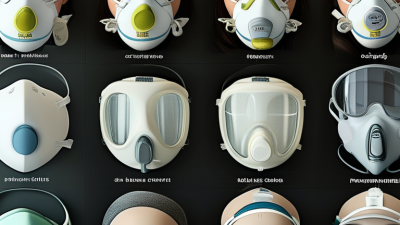
Disposable Filtering Facepiece Respirator
Examples include certified particulate respirator classes.
Reduces inhalation of airborne particles such as dust, smoke, and infectious aerosols. A properly certified particulate respirator can filter at least 95% of test particles in the applicable certification class. It does not provide oxygen. Choose the correct size, place the straps as instructed, and perform a user seal check every time it is put on. Facial hair may prevent a reliable seal. Do not wash, disinfect, or share disposable respirators unless the manufacturer and applicable regulations specifically permit it. Store in a clean, dry place. Replace when wet, dirty, damaged, difficult to breathe through, or unable to seal. Follow workplace or healthcare protocols for reuse. Not suitable for oxygen-deficient or immediately dangerous atmospheres. Certification markings should be checked before purchase.
Surgical or Procedure Mask Helps contain respiratory droplets and protects the wearer from splashes and large droplets. Provides fluid resistance and source control, but it is loose-fitting and is not a substitute for a fit-tested respirator against fine airborne particles. Cover the nose, mouth, and chin completely. Avoid touching the front while wearing it and perform hand hygiene before and after removal. Single-use masks should not be washed or reused. Dispose of them if wet, visibly soiled, damaged, or contaminated. Replace after each use or sooner if moisture or contamination is present. Do not rely on it for protection in environments requiring a tight-fitting respirator.
Reusable Elastomeric Half-Mask Respirator Provides reusable respiratory protection with replaceable particulate or gas-and-vapor cartridges. Protection depends on the selected filters or cartridges, the face seal, and a documented fit test where required. Inspect the facepiece, valves, straps, and cartridges before use. Conduct a positive- or negative-pressure seal check each time. Disassemble as directed, clean with mild detergent and warm water, rinse, and air-dry. Do not use solvents unless specifically approved. Replace filters when damaged, loaded, or difficult to breathe through. Replace gas-and-vapor cartridges according to an approved change schedule. Never use an air-purifying respirator in oxygen-deficient atmospheres or unknown concentrations. Facial hair can compromise the seal.
Full-Face Respirator Protects the respiratory system and provides eye protection from particles, gases, vapors, or combinations of hazards. Offers a larger sealing surface than a half-mask, but the correct cartridge, filter, fit, and certification remain essential. Check lens clarity, inhalation and exhalation valves, straps, and seal before use. Complete required fit testing and user seal checks. Clean and disinfect the facepiece according to the instructions. Keep the lens free of scratches and store away from heat and direct sunlight. Replace damaged valves, seals, straps, lenses, filters, and cartridges as required by inspection or the approved change schedule. Do not use as an oxygen supply. Prescription eyewear may require an approved compatible insert rather than loose glasses under the seal.
Powered Air-Purifying Respirator Uses a battery-powered blower to move filtered air through a hood, helmet, or facepiece. Can reduce breathing resistance compared with negative-pressure respirators. Protection depends on the complete certified assembly and assigned protection level. Charge and inspect the battery, blower, hose, seals, and filters before use. Confirm airflow and alarms before entering the work area. Clean reusable components as instructed. Keep filters dry unless specifically designed for wet cleaning, and inspect the airflow path for obstruction. Replace filters when damaged, contaminated, or restricted. Recharge or replace batteries according to the equipment schedule. It is not an oxygen-generating device. Do not use in oxygen-deficient or immediately dangerous atmospheres unless the specific system is approved for that use.
Oxygen Concentrator Delivers concentrated oxygen from room air for people with a clinician-prescribed oxygen requirement. Output concentration and flow vary by device and setting. It must be used only at the prescribed flow and delivery mode. Place on a hard, well-ventilated surface. Connect the prescribed tubing and check that oxygen is flowing before use. Clean the exterior and replace or wash the air-intake filter only as directed. Keep vents unobstructed and arrange scheduled servicing. Replace tubing, cannulas, humidifier components, and filters according to the care plan and manufacturer instructions. Oxygen supports combustion. Keep away from smoking, flames, sparks, oils, and grease. Do not change the flow rate without clinical guidance.
Compressed Oxygen Cylinder and Regulator Provides a portable or backup oxygen supply when prescribed and properly configured. Available oxygen duration depends on cylinder pressure, cylinder size, and prescribed flow. The regulator must match the cylinder system. Secure the cylinder upright, inspect the valve and regulator, open the valve slowly, and verify the prescribed flow before use. Keep equipment clean and dry. Check for leaks, protect the valve, and arrange inspection and refilling through an authorized service provider. Refill before the gauge reaches a low level established in the care plan. Replace damaged regulators, tubing, or cannulas immediately. Never use oil, grease, or petroleum products on oxygen fittings. Secure cylinders during transport and keep them away from heat and ignition sources.
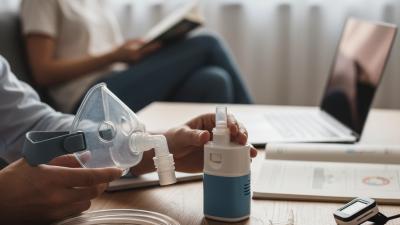
Nebulizer Converts prescribed liquid medication into an inhalable mist for delivery through a mouthpiece or mask. Medication delivery depends on the compressor, medication cup, tubing, breathing pattern, and correct assembly. Use only the prescribed medication and dose. Sit upright, keep the nebulizer level, and breathe normally through the mouthpiece unless instructed otherwise. After each treatment, empty and rinse the medication cup and mouthpiece or mask as directed, then air-dry. Disinfect on the recommended schedule. Replace tubing, filters, medication cups, masks, and mouthpieces when damaged, visibly dirty, or according to the care plan. Do not share nebulizer components. Seek medical advice for worsening breathlessness, chest pain, bluish lips, or poor response to treatment.
Valved Holding Chamber or Spacer Improves delivery from a pressurized metered-dose inhaler and reduces medication loss in the mouth and throat. Can help coordinate inhaler actuation with breathing, especially for children or people who have difficulty using an inhaler directly. Attach the inhaler securely, actuate one dose at a time, and inhale slowly through the mouthpiece. Follow the prescribed breathing instructions. Clean according to the product instructions, allow it to air-dry, and avoid wiping the inside if static reduction depends on air-drying. Replace if cracked, cloudy, damaged, or if the valve no longer moves properly. Use only with compatible inhalers. A spacer does not replace the medication or the need for an individualized treatment plan.
Peak Flow Meter Measures peak expiratory flow to help monitor changes in airflow, commonly as part of an asthma action plan. Results are effort-dependent and should be compared with the individual’s personal best rather than used as a stand-alone diagnosis. Stand or sit upright, reset the indicator, seal the lips around the mouthpiece, and blow hard and fast. Record the best of three attempts. Clean the mouthpiece as instructed and keep the meter dry. Do not share without appropriate cleaning and a new disposable mouthpiece where applicable. Replace if the indicator sticks, the body is damaged, or readings become inconsistent. Follow the monitoring plan for frequency. Use the readings with the clinician-provided action plan. Seek urgent care for severe breathing difficulty or symptoms that do not improve.
General note: Respiratory equipment should be selected according to the hazard, medical condition, prescribed treatment, and applicable workplace or healthcare requirements. Always follow the current instructions supplied with the equipment and seek professional guidance when symptoms worsen.

Emerging Trends Shaping Respiratory Supplies in 2026

What Are the Top Respiratory Supplies for 2026?

Emerging Trends Shaping Respiratory Supplies in 2026

Respiratory supplies in 2026 are becoming more connected, portable, and personalized. Smart inhaler attachments can record usage patterns and identify missed doses. Portable nebulizers are also getting quieter, lighter, and easier to clean. Pulse oximeters may provide useful readings at home, but users should not treat one number as a diagnosis.

Sustainability is influencing product design. Reusable spacers, replaceable filters, and lower-waste packaging may reduce household waste. However, sustainable materials must still meet hygiene and safety requirements. Some digital dashboards remain confusing. More data does not always mean better care. Respiratory therapists and clinicians should assess accuracy, comfort, and patient understanding before recommending new equipment.

Tips: Choose supplies that match the user’s prescription and daily routine. Check mask seals, tubing, and filters regularly. Store equipment in a dry, clean area. Follow cleaning instructions carefully. Keep a written backup plan for power failures or device problems. Ask a qualified healthcare professional to review unfamiliar readings. Small mistakes can matter. Even experienced users may overlook battery condition, expired accessories, or poor device fit. Reliable support, clear instructions, and independent safety testing should guide purchasing decisions in 2026.

We use cookies to ensure that we give you the best experience on our website.