Top 10 Essential Respiratory Supplies Everyone Should Know About?
In today's world, understanding essential respiratory supplies is crucial for maintaining health. Respiratory supplies play a vital role in supporting individuals with breathing difficulties. These items can improve quality of life for many people. Knowing the right supplies is empowering, especially for those with chronic conditions.
Effective management of respiratory health often requires specialized equipment. Choices range from simple items to advanced devices. For instance, inhalers and nebulizers are common yet essential. However, many overlook the importance of quality masks and filters. Each supply serves a specific purpose and can greatly affect user experience.
Being informed about respiratory supplies ensures better health outcomes. It reflects a commitment to proactive care. Yet, the right choices can feel overwhelming. Individuals must seek quality products suited to their needs. This guide aims to clarify and highlight the top options for essential respiratory supplies.
Essential Types of Respiratory Supplies for Home Use
When it comes to respiratory supplies for home use, having the right tools is crucial. Many people may need items for managing respiratory conditions or just for general health. A pulse oximeter is essential. It measures oxygen levels in the blood. Easy to use, it provides quick feedback on respiratory health.
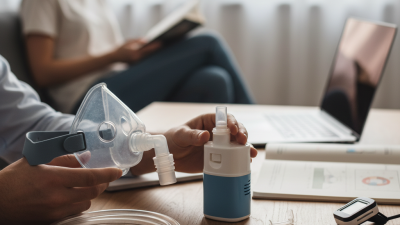
Nebulizers are another vital piece. They deliver medication directly into the lungs. This can be important for asthma sufferers or those with COPD. Breathing exercises can be supported with devices like incentive spirometers. These help improve lung function and promote deep breathing.
Oxygen tanks and concentrators are invaluable for those who require supplemental oxygen. They ensure a steady supply for daily use. Additionally, having face masks and filters can help improve air quality in the home. Keeping these supplies on hand can support respiratory health. It's worth reflecting on whether your current supplies meet your needs. Regular assessment can enhance your respiratory care.
Top 10 Essential Respiratory Supplies Everyone Should Know About
Understanding Different Types of Inhalers and Their Uses
Inhalers play a crucial role in managing respiratory conditions like asthma and COPD. They deliver medication directly to the lungs, providing quick relief. There are several types of inhalers, each serving distinct needs. Metered-Dose Inhalers (MDIs) and Dry Powder Inhalers (DPIs) are the most common. A report from the Global Initiative for Chronic Obstructive Lung Disease notes that nearly 80% of patients benefit significantly from proper inhaler technique.
MDIs are portable and convenient. They release a specific amount of medication with each puff. However, users often struggle with coordination during inhalation. Studies show that improper use can reduce medication effectiveness by up to 30%. On the other hand, DPIs require a strong and fast inhalation to activate the device. They are breath-activated, making them easier for some patients. Yet, about 40% of patients do not produce the required inhalation strength, leading to wasted doses.
The choice of inhaler can affect treatment success. Each type has its pros and cons. There is no one-size-fits-all solution. Healthcare providers often need to assess each patient individually. Proper education and regular follow-ups are critical. This can help ensure that inhaler techniques are optimized, reducing the risks of suboptimal medication delivery. Understanding these nuances can significantly improve patient outcomes.
The Importance of Nebulizers in Respiratory Treatment
Nebulizers play a crucial role in respiratory treatment. They deliver medication directly to the lungs. This targeted approach helps relieve symptoms faster. Patients with asthma or COPD often rely on these devices. Using a nebulizer can turn liquid medicine into a fine mist. This mist is easily inhaled. It reaches deep into the airways for effective relief.
However, not everyone understands how to use nebulizers properly. Different models may have specific instructions. It's essential to read the guidelines carefully. Misuse can lead to ineffective treatment. Regular cleaning is also necessary to ensure safety. Bacteria can grow in unclean devices, causing further health issues.
Nebulizers offer convenience. They are often easier for young children and elderly patients. These individuals may struggle with traditional inhalers. A nebulizer can make the treatment process smoother. Nonetheless, reliance on these devices should be evaluated. Some patients may not need them regularly. It's important to consult a healthcare professional for tailored advice. Understanding the role of nebulizers can help improve respiratory health.
Key Accessories for Enhanced Respiratory Care
When it comes to respiratory care, having the right accessories can make a significant difference. Humidifiers are essential for maintaining moisture in the air, especially during dry winters. They prevent irritation in the nasal passages and throat. Nebulizers are also invaluable for patients with asthma or chronic obstructive pulmonary disease (COPD). They deliver medication directly to the lungs for quick relief.
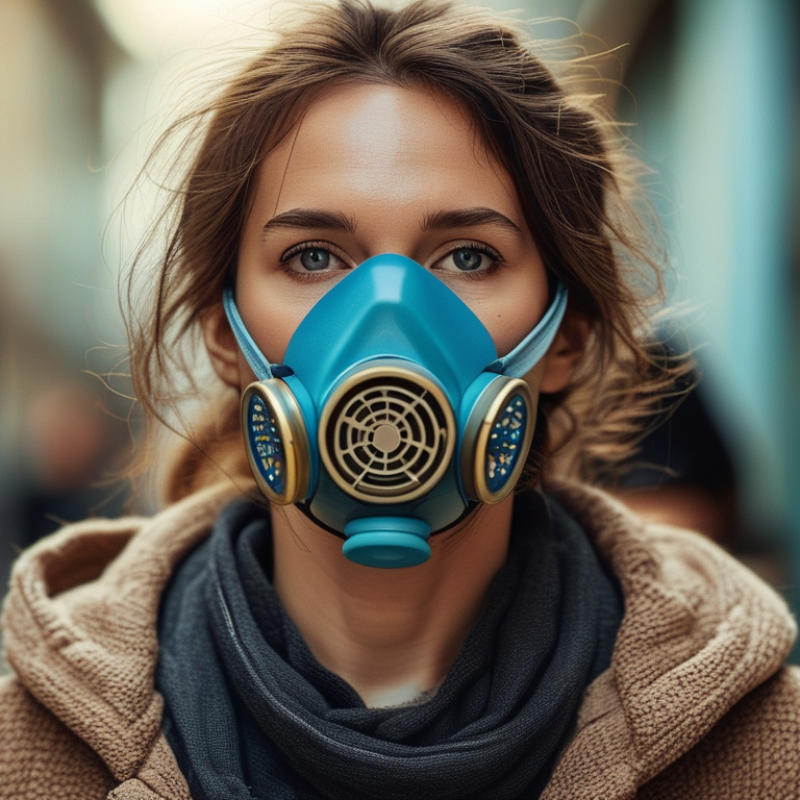
In addition to these basics, pulse oximeters are great for monitoring blood oxygen levels. They are easy to use and provide quick results. Another key accessory is a peak flow meter, which helps track lung function over time. Patients can more effectively manage their conditions this way. Respiratory masks are also important, especially for those with severe allergies or air quality concerns. Proper fit is vital to their effectiveness.
However, awareness of potential issues is necessary. Not all humidifiers are easy to clean, leading to mold growth if neglected. Nebulizers can require regular maintenance and accurate assembly. It's crucial to stay informed about proper usage and hygiene practices. While these accessories can enhance respiratory care, improper use or maintenance can lead to complications. Therefore, ongoing education and communication with health professionals are essential.
Safety Considerations When Using Respiratory Supplies
When using respiratory supplies, safety is paramount. Always check equipment for damage before use. A cracked inhaler or broken nebulizer can lead to ineffective treatment. Regular maintenance ensures reliable function and helps prevent accidents.
Proper hygiene practices are crucial. Wash your hands thoroughly before handling any respiratory device. This step minimizes the risk of infection. Additionally, clean and store supplies according to guidelines. This reduces the chance of bacterial growth. Always follow the manufacturer's instructions for cleaning, as neglecting this can lead to respiratory complications.
It's also vital to be aware of your surroundings. Use respiratory supplies in a well-ventilated area to avoid exposure to harmful substances. Monitor your physical reactions while using these devices. Any discomfort or unusual symptoms should prompt immediate cessation of use. Always consult a healthcare professional if issues arise. Your safety and comfort are the priorities when managing respiratory health.