How to Choose the Right Surgical Instruments for Your Needs?
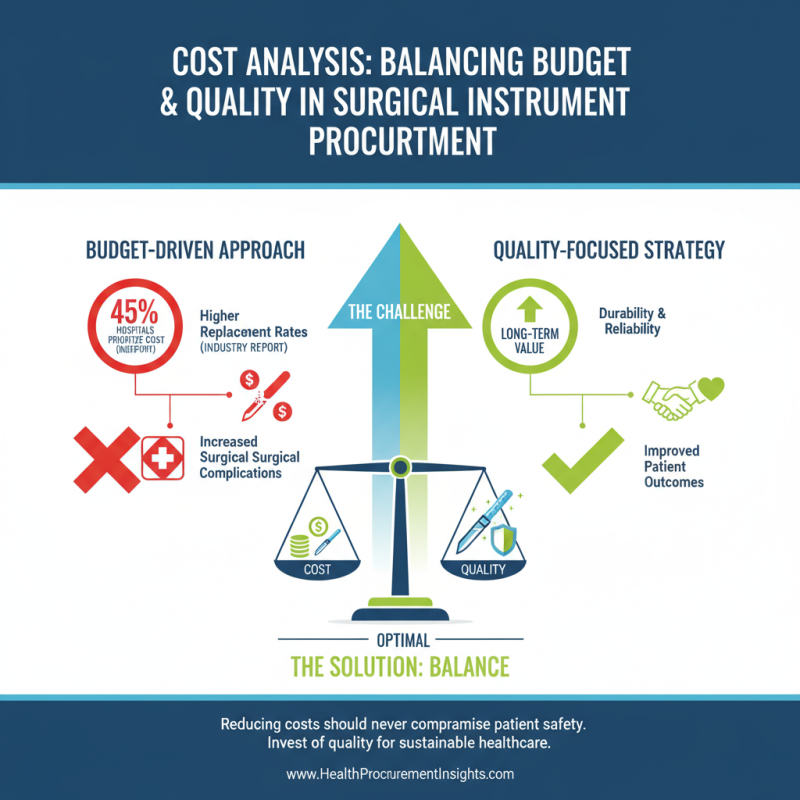
Choosing the right surgical instruments is crucial in the medical field. Surgical instruments directly impact patient outcomes, hence their selection must be meticulous. According to a report by the Global Surgical Instrument Market, the market is expected to reach $13.5 billion by 2025, highlighting the growing importance of quality tools in surgery.
Surgeons often face a range of options when selecting instruments. These choices affect not only efficiency but also surgical precision. A recent study revealed that 70% of surgeons reported instrument errors could lead to complications. Therefore, understanding the various types of surgical instruments is essential for ensuring optimal performance.
In light of these factors, evaluating the material, design, and purpose of surgical instruments can be daunting. For example, stainless steel instruments offer durability but may not always provide ergonomic benefits. Ultimately, the right choice requires a balance between functionality and comfort, reminding us to reflect on our preferences and their consequences on surgical practices.
Factors Influencing the Selection of Surgical Instruments in Practice
Choosing the right surgical instruments is crucial for successful procedures. Several factors influence this selection. Understanding these can lead to improved patient outcomes and better efficiency in the operating room.
One major factor is the specific type of surgery. Each procedure may require unique instruments tailored to its needs. For instance, delicate surgeries may need precise tools, while larger surgeries may require robust instruments. Consider also the material of the instruments. Stainless steel offers durability, while disposable options can reduce infection risks.
Tips: Always assess your surgical procedure carefully. Evaluate the instruments you already have. Do they meet the current standards? It’s essential to maintain an inventory.
Another aspect is the experience level of the surgical team. More experienced teams might prefer advanced tools that offer greater precision. However, beginners may benefit from more straightforward, user-friendly instruments. This balance between expertise and instrument complexity can directly impact performance.
Tips: Collect feedback from your surgical team after procedures. Understand their comfort levels with different instruments. Continuous learning is vital. Analyze what works and what needs improvement. Always be open to adapting your selections.
Understanding Different Types of Surgical Instruments and Their Specific Uses
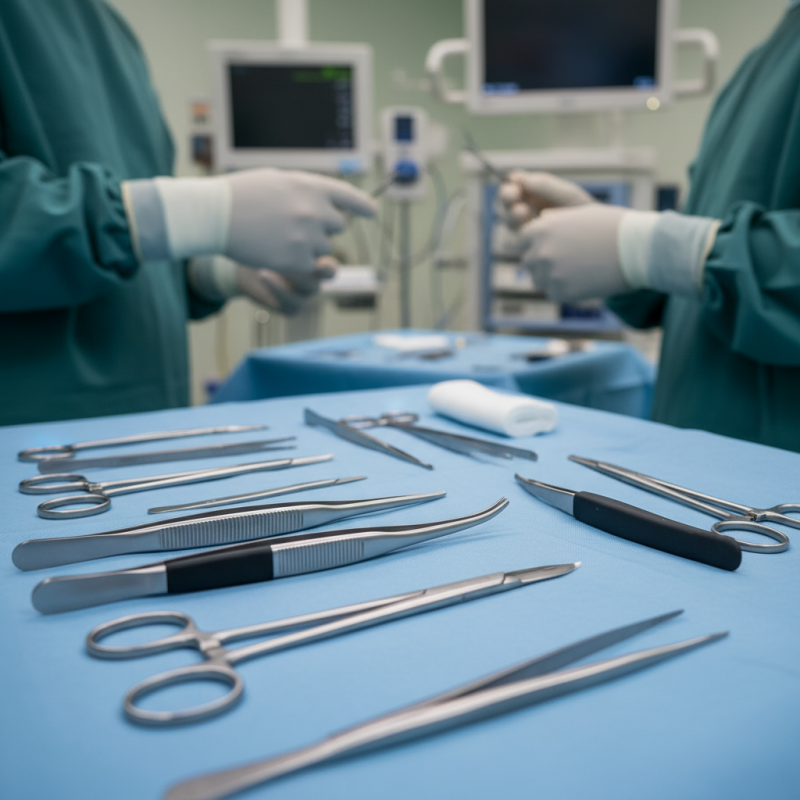
Choosing the correct surgical instruments is crucial for any medical procedure. Different types of instruments serve unique functions. For example, scalpels are designed for incisions. They come in various shapes and sizes to suit specific surgical needs. Forceps, on the other hand, are essential for grasping tissue. They also differ by the type of tissue they handle, like soft tissue or hard tissue.
Understanding surgical instruments extends beyond knowing their names. It's important to recognize their specific uses. For example, scissors are specialized for cutting different materials. Some scissors work well with delicate tissues, while others are sturdier for tougher materials. Not every instrument is suitable for every procedure. Inexperienced selection can lead to complications. Surgeons must assess their needs carefully.
Additionally, the understanding of sterilization techniques is fundamental. Instruments must be properly cleaned and maintained. The methods vary by instrument type. Mistakes in sterilization may lead to severe consequences. Surgeons are continually learning about new instruments and techniques. This ongoing education helps in making informed choices. Making the right choice requires awareness of both the instruments and their proper use.
Evaluating Quality Standards: Materials and Durability in Surgical Instruments
When selecting surgical instruments, quality standards play a critical role. The materials used greatly impact a tool's durability and functionality. Stainless steel is a common choice, known for its resistance to corrosion and ease of sterilization. Reports indicate that instruments made from high-grade stainless steel can last significantly longer than lower quality alternatives. For instance, a 2021 study found that premium surgical instruments could outperform standard ones in 85% of cases, particularly in longevity and efficacy.
Durability is not solely about material; it also relates to craftsmanship. Poorly manufactured instruments can lead to increased risks during procedures. The FDA highlights that nearly 20% of reported surgical errors are linked to instrument failure. This underscores the importance of rigorous quality checks. Regular evaluations against established benchmarks can help maintain high standards. Some instruments suffer wear and tear, pointing to the need for ongoing assessments and potential redesigns.
Moreover, the environmental impact is another aspect to evaluate. Sustainable practices in material sourcing are increasingly important. According to industry reports, around 30% of healthcare professionals prioritize eco-friendly tools during selection. The combination of quality materials and sustainable practices contributes to better patient outcomes, making this a vital area for healthcare facilities to explore.
Training and Ergonomics: Ensuring Proper Use and Comfort with Instruments
Choosing the right surgical instruments goes beyond mere selection. Proper training and ergonomics play a crucial role in ensuring effective use. Surgeries can be demanding, both mentally and physically. Without the right training, even the best instruments can be underutilized.
Ergonomics influences how comfortable a surgeon feels during procedures. Poorly designed instruments can lead to fatigue or injuries. A surgeon may find it difficult to maintain precision if their tools are not well-suited to their grip or hand size. Training on how to hold and maneuver instruments safely is essential, yet often overlooked.
Reflection on personal experience can reveal insights. Many surgeons have faced discomfort due to improper tool choices. It can take time to find the perfect fit. Prioritizing ergonomic design and thorough training helps reduce risks. Body position, grip, and adjustments should be evaluated regularly. Adapting to instruments is key, but using the right ones is just as critical.