What Are the Top Medical Consumables in 2026?
In 2026, medical consumables remain the quiet essentials behind everyday care: examination gloves snapped on before a checkup, sterile gauze opened beside a treatment bed, and syringes prepared for routine injections. Demand is shaped by patient volume, infection-prevention practices, supply reliability, and the needs of each clinical setting. A busy emergency department may prioritize IV sets and wound dressings, while a diagnostic clinic depends on specimen containers and test strips. There is no single ranking that fits every facility.
Surgeon and patient-safety author Atul Gawande has said, “Better is possible. It does not take genius. It takes diligence.” That principle is relevant here: reliable care often depends on consistent supplies and careful processes, not just advanced equipment. This overview examines widely used categories, including gloves, masks, syringes, needles, dressings, catheters, and diagnostic disposables. It also considers quality, usability, storage, and supply continuity—details that can matter as much as price. Small items. Real consequences. Still, rankings can be messy: purchasing data, regional needs, and product definitions vary, so a list should not be mistaken for a universal forecast. The aim is a practical, evidence-minded guide to the medical consumables likely to remain central in 2026, with room to question what “top” really means.
Defining Medical Consumables and Their Role in 2026
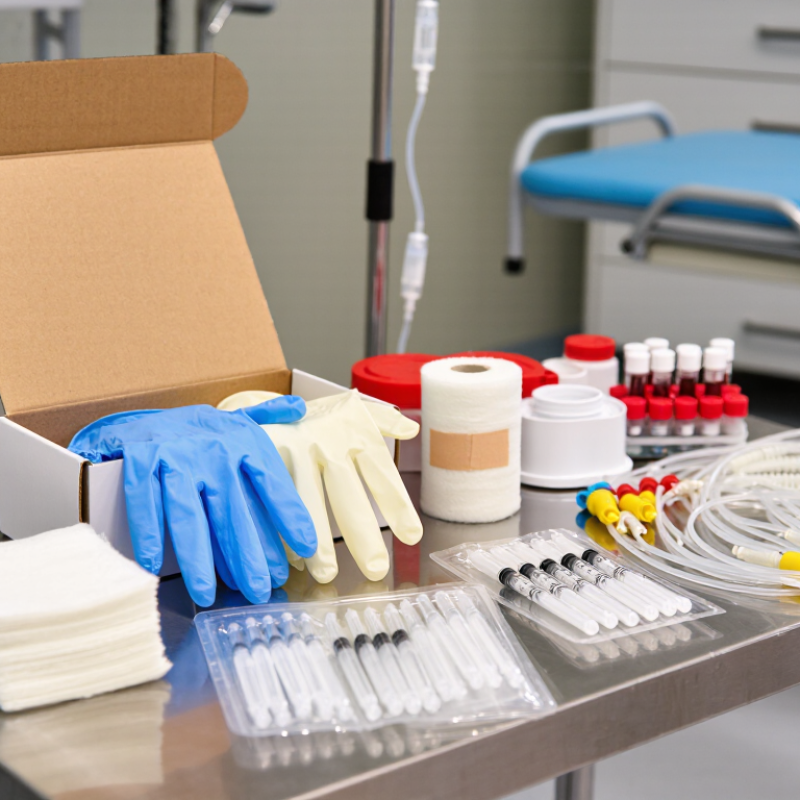
Medical consumables are products used during care that are discarded after one patient or procedure, or replaced frequently to maintain hygiene and function. Examples include gloves, gauze, syringes, dressings, specimen containers, and some respiratory supplies. “Consumable” describes how an item is used, not how clinically important it is. A small dressing can matter as much as a larger device when it protects a wound.
In 2026, these supplies support examinations, surgery, vaccination, testing, and home-based care. Their role is practical and easy to overlook. A clinic needs the right glove sizes at each station; a laboratory needs suitable containers and clear handling instructions. Stock decisions affect workflow, waste, and continuity when deliveries are delayed.
More inventory is not always safer. Supplies can expire or take space needed for essentials.
Good selection starts with intended use, compatibility, staff training, and the manufacturer’s instructions. Check packaging and expiry dates, and follow local procedures for storage and disposal. Purchasing teams should review actual consumption with frontline staff because forecasts can miss sudden changes in patient needs. Plans slip. A checklist helps, but it cannot replace judgment at the bedside.
How Medical Consumables Are Selected and Ranked
Medical consumables are ranked by more than purchase price or popularity. A useful assessment begins with the task: protecting a wound, collecting a sample, or maintaining a sterile field. The right item must perform reliably in its intended setting. Small details matter.
Reviewers can compare safety, material quality, ease of use, packaging integrity, and availability. For example, a dressing should stay in place during routine movement without irritating surrounding skin. Gloves need a suitable fit and dependable barrier performance. For syringes, clear measurement markings and smooth movement can reduce handling errors. These observations should come from product documentation, quality records, and practical evaluation by trained users. One test is not enough.
Rankings also need context. A high-volume hospital may prioritize consistent supply and bulk packaging, while a small clinic may value storage space and simple handling. Cost matters, but low prices can conceal frequent replacements or workflow delays. No ranking fits every facility. That is the awkward part. Scores should state their criteria, note evidence gaps, and be reviewed as needs change. A tidy table can still hide messy trade-offs.
The Leading Categories of Medical Consumables in 2026
What Are the Top Medical Consumables in 2026?
The Leading Categories of Medical Consumables in 2026
Medical consumables support routine care, infection prevention, diagnosis, and treatment. In 2026, high-use categories include examination gloves, syringes, wound dressings, diagnostic collection supplies, and IV sets. Grand View Research estimated the global medical gloves market at approximately US$15.7 billion in 2023, reflecting sustained demand across clinical settings. A forecast is not a purchasing plan, though. Local patient volumes and product use matter more.
Gloves remain essential for examinations and procedures, while sterile syringes and needles support medication delivery and blood collection. The World Health Organization estimates that about 16 billion injections are given worldwide each year. That scale makes safe, single-use supplies important. Small details count: the right syringe size, intact packaging, and clear lot information.
Wound-care products range from basic gauze and adhesive dressings to advanced moisture-managing materials. Diagnostic consumables, including specimen containers, swabs, and test cartridges, also shape daily workflows. IV cannulas, tubing, and infusion accessories are common in hospitals and outpatient care. Yet supply lists can miss the practical reality: a missing connector can delay a whole task. Forecasts help, but they are imperfect. Hospitals should review usage, stockouts, and waste regularly when planning 2026 orders.
How These Supplies Support Different Areas of Care
In 2026, everyday medical consumables remain essential across care settings. Examination gloves, masks, syringes, and wound dressings help teams manage routine contact, medication delivery, and minor injuries. Their value depends on choosing the right item for the task, not simply keeping more supplies on hand. Small details matter.
In emergency departments, gloves, gauze, and adhesive dressings must be easy to reach during fast-moving assessments. Outpatient clinics rely on items such as specimen containers and single-use examination supplies to support testing and reduce contamination risks. On hospital wards, IV sets, alcohol swabs, and securement dressings support prescribed treatments and ongoing care. Each item has a specific role. Staff still need training and clear procedures to use it reliably.
At home, patients may use dressings, lancets, or tubing as part of a care plan. Instructions should match the person’s abilities and the clinician’s guidance. A product that works well in a clinic may be awkward for someone with limited dexterity. Fit, packaging, storage conditions, and supply reliability deserve attention, too. These practical checks are sometimes overlooked, and they can affect daily care. A better inventory starts with observing how supplies are actually used.
What Are the Top Medical Consumables in 2026?
How these supplies support different areas of care
The bars count representative consumable types shown for each care area—not sales, usage volume, or market share. Examples include wound dressings and gauze; gloves, masks, and gowns; IV catheters and tubing; specimen swabs and collection tubes; and surgical drapes, sutures, and blades. These everyday supplies support wound management, infection prevention, infusion, diagnosis, and procedures.
Safety, Sustainability, and Supply Trends Shaping the Market
Medical consumables in 2026 will be judged by more than purchase price. Gloves, gowns, masks, syringes, and wound dressings must perform reliably during routine care and unexpected demand. Staff need packaging that opens cleanly, sizes that fit, and clear lot information when a product must be traced. Small details matter. A glove that tears during a procedure is not a minor inconvenience.
Safety and sustainability can support each other, but not automatically. Hospitals may favor lighter packaging or materials with recycled content, provided performance and sterility remain validated. Reusable options can reduce waste in some settings, though they require suitable cleaning systems and careful monitoring. The trade-off is not tidy. A greener choice that adds handling risk may not be a better choice.
Supply resilience is also shaping procurement. Health systems are reviewing lead times, keeping practical safety stocks, and qualifying more than one source for essential items. Local inventory dashboards can help teams spot shortages before shelves are empty. Yet extra stock takes space and can expire. Forecasts are useful, but they miss sudden surges; regular checks with clinical staff can catch problems a spreadsheet overlooks.