
What Is General Medical Equipment Used For?
General medical equipment supports the practical work of diagnosis, treatment, monitoring, and patient recovery. It includes examination tables, blood pressure monitors, infusion pumps, wheelchairs, sterilizers, oxygen systems, and patient monitors. Each item serves a specific purpose. Some reveal hidden changes in the body. Others help clinicians deliver care safely and consistently. A blood pressure cuff may seem simple, yet its reading can influence medication decisions. A pulse oximeter can show falling oxygen levels within seconds. Small tools can carry serious responsibility.
Healthcare quality expert Don Berwick often says, “Every system is perfectly designed to get the results it gets.” His observation applies directly to general medical equipment. A reliable device can support timely care, but only when staff understand its limits. Proper cleaning, calibration, storage, and user training matter as much as the equipment itself. A monitor placed beside a bright window may display confusing reflections. A wheelchair with a loose brake can create unnecessary risk. These details are easy to overlook.
This article examines what general medical equipment is used for, how it supports clinical teams, and why selection should match patient needs. It also considers maintenance, accessibility, and practical workflow. The explanation cannot cover every device or setting. Real hospitals, clinics, and home-care environments differ. That limitation deserves attention. Equipment is not a substitute for professional judgment. It is a carefully managed partner in safe, evidence-informed care.
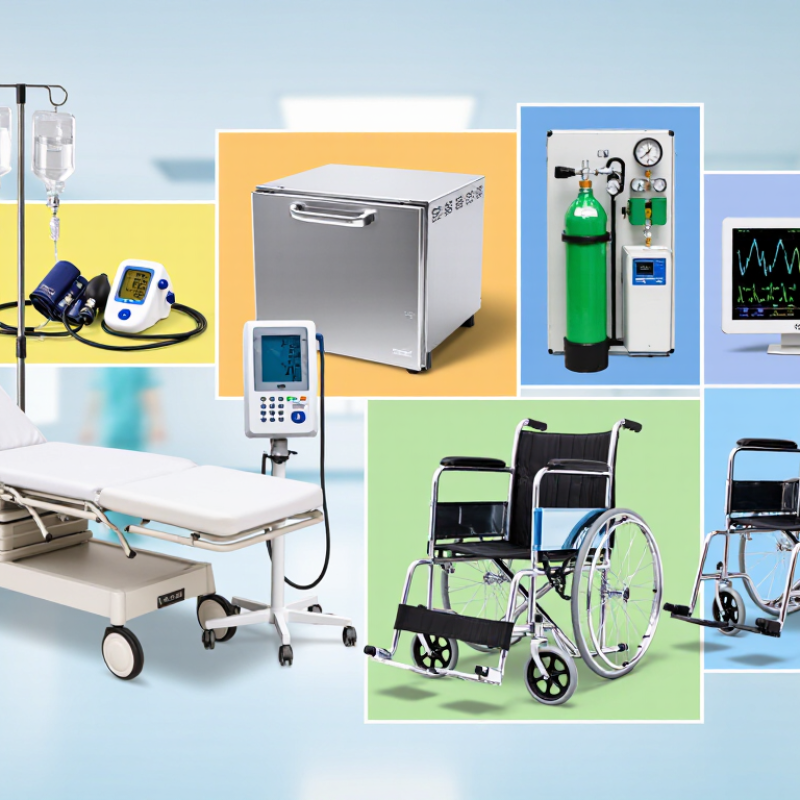
Table of Contents
[Hide]
Definition and Scope of General Medical Equipment
What Is General Medical Equipment Used For?
General medical equipment refers to physical tools used to prevent, diagnose, monitor, treat, and rehabilitate patients. Its scope ranges from examination lights and blood-pressure cuffs to infusion pumps, patient monitors, surgical tables, and imaging systems. The World Health Organization reports more than two million medical device types, grouped into over 7,000 generic categories. That number changes the question.
General equipment supports routine care across hospitals, clinics, laboratories, ambulances, and home-care settings. A thermometer records a basic clinical sign. A pulse oximeter tracks oxygen saturation at the bedside. A sterilizer reduces contamination risks between procedures. More complex systems produce images, deliver controlled therapy, or maintain vital functions during emergencies. Equipment also includes mobility aids and rehabilitation tools, although the boundary is not perfectly neat.
Its purpose is practical, but its value depends on safe use, maintenance, training, and reliable power. The OECD’s Health at a Glance 2023 shows substantial differences in diagnostic imaging capacity across member countries. Availability does not guarantee access. A device may remain unused because staff lack training, spare parts, or suitable space. This is where many definitions feel incomplete. General medical equipment is not merely a list of machines; it is part of a working care system. A quiet failure still matters. (World Health Organization, 2022; OECD, 2023)
| Equipment Category | Primary Purpose | Typical Equipment Examples | Common Measurements or Functions | Typical Care Setting | Key Safety and Maintenance Considerations |
|---|---|---|---|---|---|
| Diagnostic Equipment | Identifies, evaluates, or helps confirm health conditions without providing treatment directly. | Stethoscopes, otoscopes, ophthalmoscopes, examination lights, and basic diagnostic instruments. | Heart and lung sounds, ear and eye findings, visible physical signs, and other clinical observations. | Clinics, physician offices, outpatient departments, and hospitals. | Keep instruments clean, inspect components before use, and follow applicable disinfection procedures. |
| Vital-Sign Monitoring Equipment | Measures and tracks essential physiological indicators. | Blood pressure monitors, pulse oximeters, thermometers, and multiparameter patient monitors. | Blood pressure, body temperature, pulse rate, respiratory rate, and peripheral oxygen saturation. | Primary care, emergency departments, inpatient wards, ambulances, and home care. | Use correctly sized cuffs and sensors, verify alarms, replace damaged cables, and perform calibration as required. |
| Imaging Equipment | Creates images that support the assessment of internal body structures and conditions. | Radiography systems, ultrasound systems, computed tomography systems, and magnetic resonance imaging systems. | Images of bones, organs, soft tissues, blood flow, and other anatomical structures. | Hospitals, diagnostic imaging centers, and specialist clinics. | Requires trained operators, controlled access, scheduled servicing, and appropriate radiation protection where applicable. |
| Laboratory Equipment | Analyzes biological specimens to support diagnosis, screening, and treatment decisions. | Microscopes, centrifuges, analyzers, specimen refrigerators, and laboratory incubators. | Cellular findings, blood chemistry, microbiological results, and other specimen-based measurements. | Clinical laboratories, hospitals, public health laboratories, and research facilities. | Maintain specimen identification, temperature control, quality control records, and contamination prevention procedures. |
| Therapeutic Equipment | Delivers or supports treatment intended to improve a patient's condition. | Infusion pumps, nebulizers, phototherapy units, suction equipment, and therapeutic heating or cooling devices. | Medication delivery, aerosolized therapy, controlled light exposure, removal of fluids, and temperature management. | Hospitals, clinics, treatment rooms, emergency services, and home care. | Confirm prescribed settings, inspect tubing and connections, prevent contamination, and follow cleaning instructions. |
| Respiratory Care Equipment | Supports breathing, oxygen delivery, airway management, or respiratory assessment. | Oxygen concentrators, oxygen flowmeters, ventilators, airway suction devices, and manual resuscitation bags. | Oxygen concentration or flow, airway pressure, respiratory volume, and breathing support parameters. | Emergency departments, intensive care units, respiratory wards, ambulances, and homes. | Check oxygen connections, alarms, filters, power sources, and patient circuits before use. |
| Life-Support and Resuscitation Equipment | Provides urgent support during life-threatening emergencies. | Defibrillators, emergency resuscitation carts, automated external defibrillators, and emergency suction units. | Cardiac rhythm assessment, electrical therapy, airway support, and emergency medication access. | Hospitals, clinics, public facilities, ambulances, and other emergency response locations. | Perform readiness checks, monitor battery status, verify accessories, and ensure trained personnel are available. |
| Surgical and Procedure Equipment | Supports invasive procedures, surgery, tissue handling, and patient positioning. | Operating tables, surgical lights, electrosurgical units, procedure lamps, and instrument-handling equipment. | Patient positioning, illumination, tissue cutting or coagulation, and procedural access. | Operating rooms, procedure rooms, ambulatory surgery centers, and specialty clinics. | Use sterilized instruments where required, inspect electrical safety, and follow procedure-specific protocols. |
| Patient Mobility and Transfer Equipment | Helps move, transfer, position, or support patients safely. | Wheelchairs, stretchers, patient lifts, transfer boards, walkers, and adjustable hospital beds. | Patient transport, repositioning, weight-bearing assistance, and fall-risk reduction. | Hospitals, rehabilitation centers, long-term care facilities, and home care. | Inspect brakes, wheels, straps, rails, and weight limits before use; use trained staff for transfers. |
| Sterilization and Disinfection Equipment | Reduces or eliminates microorganisms on reusable medical instruments and surfaces. | Steam sterilizers, instrument washers, ultrasonic cleaners, and disinfecting equipment. | Controlled temperature, pressure, exposure time, cleaning action, and disinfection cycles. | Hospitals, dental facilities, surgical centers, and central sterile services departments. | Use validated cycles, monitor indicators, document results, and maintain equipment according to service schedules. |
| Medical Refrigeration and Storage | Preserves medicines, vaccines, specimens, blood products, and other temperature-sensitive materials. | Medical refrigerators, laboratory freezers, temperature data loggers, and controlled storage cabinets. | Stable temperature ranges, alarm conditions, and temperature history. | Pharmacies, laboratories, hospitals, clinics, and vaccination facilities. | Monitor temperatures continuously where required, avoid overloading, and maintain documented temperature logs. |
| Rehabilitation Equipment | Supports recovery, physical function, mobility, strength, and independence. | Therapy tables, exercise equipment, parallel bars, balance devices, and electrical stimulation units. | Range of motion, strength, balance, endurance, coordination, and functional mobility. | Rehabilitation hospitals, physiotherapy clinics, outpatient centers, and home care. | Adjust equipment to the patient, supervise use, inspect moving parts, and clean shared surfaces. |
| Dental Equipment | Supports oral examination, prevention, diagnosis, and dental treatment. | Dental chairs, examination lights, intraoral imaging equipment, dental handpieces, and suction systems. | Oral examination, dental imaging, fluid removal, cleaning, restoration, and minor procedures. | Dental clinics, oral surgery facilities, and teaching institutions. | Use appropriate barrier protection, sterilize reusable instruments, and maintain water and suction systems. |
| Medical Furniture and Support Equipment | Provides a safe and functional environment for examination, treatment, observation, and recovery. | Examination tables, treatment carts, bedside cabinets, privacy screens, and instrument stands. | Patient support, storage, positioning, workspace organization, and infection-control separation. | Clinics, hospitals, outpatient facilities, and long-term care settings. | Use durable, cleanable surfaces; inspect structural stability, casters, locks, and height-adjustment mechanisms. |
Definition and scope: General medical equipment includes reusable devices, instruments, machines, and support systems used for prevention, examination, diagnosis, monitoring, treatment, rehabilitation, patient transport, and clinical care. The exact equipment required depends on the healthcare setting, patient population, clinical procedures, and applicable safety regulations.
Related Posts
-
Why Are Medical Items Essential for Global Procurement?
-

10 Tips for Buying Doctors Supplies Worldwide?
-
2026 How to Safely Choose Medical Items for Home Use?
-
Top Medical Supplies You Need for Home Healthcare Essentials?
-
How to Choose a General Medical Practitioner for Your Health Needs?
-

China Top Medical Supplies Manufacturers for Global Buyers