10 Tips for Choosing Urinary Supplies for Global Buyers?
Choosing urinary supplies for international markets is not simply a price exercise. It involves comfort, clinical suitability, product safety, reliable documentation, and dependable delivery. The World Health Organization and UNICEF reported in their Global Report on Assistive Technology that more than 2.5 billion people need at least one assistive product worldwide. That number may exceed 3.5 billion by 2050. Urinary products form part of this wider care system, especially for older adults, people with disabilities, and patients recovering after treatment.
Clinical definitions matter. Paul Abrams, a leading figure in the International Continence Society, described urinary incontinence as “any involuntary leakage of urine.” This short definition changes how buyers assess absorbency, fit, leakage protection, and user dignity. A product that looks efficient in a warehouse may cause skin irritation during a twelve-hour shift. Packaging can also fail when labels are unclear or instructions are not translated accurately.
This guide presents ten practical tips for global procurement teams. It considers product specifications, material safety, sizing, testing evidence, certifications, supplier experience, logistics, sustainability, and after-sales support. Buyers should request samples and test them in realistic conditions, including humid storage rooms and long-distance shipping. WHO guidance supports a user-centered approach, yet no report can replace feedback from nurses, caregivers, and end users. That is an important limitation. A polished supplier presentation may still hide inconsistent quality. Careful comparison, documented evidence, and small pilot orders can reduce that risk while protecting comfort and supply continuity.
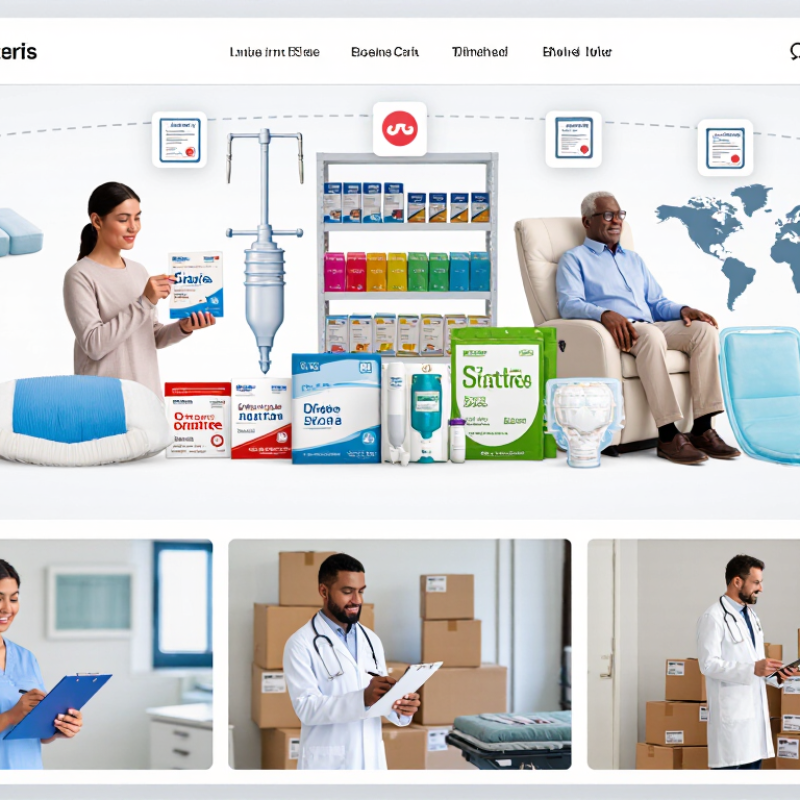
Define the Intended Use and User Requirements
Define the Intended Use and User Requirements
Urinary supplies should begin with the user, not the catalogue. Clarify whether the product supports intermittent catheterization, drainage, leakage management, or post-surgical care. The user’s mobility, dexterity, skin condition, privacy needs, and care setting all influence the specification. A hospital patient may need sterile, single-use equipment. An independent traveler may value compact packaging and simple handling. Small details matter.
The World Health Organization’s 2022 Global Report on Assistive Technology estimates that more than 2.5 billion people need assistive products worldwide. This figure is expected to exceed 3.5 billion by 2050. Although urinary products serve different clinical purposes, the report reinforces one point: access must match real-life needs. A product that works in a clinic may fail in a rural home with limited water, storage, or trained support.
Safety requires careful questioning. The CDC identifies urinary catheters as a major factor in catheter-associated urinary tract infections, and recommends using them only when clinically appropriate. Buyers should check material compatibility, drainage design, sizing accuracy, packaging integrity, and clear instructions. Do not assume one size fits everyone. A size chart can still mislead. User trials, clinician feedback, and local distribution conditions should shape the final decision. Sometimes, the cheapest option creates more training, waste, and discomfort.
Compare Urinary Supply Types and Essential Features
Global buyers should compare urinary supplies by clinical purpose, not appearance. Intermittent catheters support periodic bladder emptying, while indwelling types suit continuous drainage. External systems may reduce insertion needs for selected users. Drainage bags must offer secure connectors, readable volume marks, and anti-kink tubing. The CDC reports that 70–90% of catheter-associated urinary tract infections involve indwelling catheters. This makes duration and clinical indication important purchasing factors.
Tip 1: Check biocompatibility, including latex-free options. Tip 2: Match catheter length and diameter with patient needs. Tip 3: Prefer smooth eyelets and low-friction surfaces. Tip 4: Verify sterile packaging and expiry controls. Tip 5: Review drainage capacity for home or hospital use. WHO’s 2022 infection prevention report found that healthcare-associated infections affect about 7 in 100 patients in high-income settings. Rates can reach 15 in 100 in low- and middle-income settings. Packaging quality is not a minor detail.
Tip 6: Test connectors with local collection bags. Tip 7: Require clear instructions in relevant languages. Tip 8: Examine securement without creating skin pressure. Tip 9: Confirm storage conditions across shipping routes. Tip 10: Request independent quality documentation, not only supplier claims. A 2023 market analysis by Grand View Research identifies infection control and home care as major urinary catheter market drivers. Still, market growth does not prove clinical suitability. A common purchasing error is choosing the cheapest unit before checking user training, waste handling, and replacement access. That decision can become expensive.
Verify Safety, Quality Standards, and Product Compatibility
Choosing urinary supplies for international markets requires more than comparing prices. Safety documentation should be checked before commercial discussions begin. Request material specifications, sterilization records, shelf-life data, and batch traceability. Confirm whether the supplier follows a recognized quality system, such as ISO 13485. Product registration requirements may differ between countries, so local verification remains essential.
Compatibility can prevent painful and expensive mistakes. Match catheter size, tip design, tubing length, drainage capacity, and connector type with the intended clinical use. Check whether materials contain latex, adhesives, or other substances that may cause sensitivity. Ask for samples and test them with existing drainage systems. A secure connection should not loosen during movement. Packaging should remain sealed, readable, and undamaged after transport.
Procurement teams should also evaluate instructions, complaint handling, and response times. Clear labeling reduces confusion in busy clinical settings. Supplier records should identify manufacturing dates and affected batches. Do not rely only on certificates. Documents can be outdated, incomplete, or unrelated to the exact product. A checklist helps, but it is not perfect. One missed connector measurement can delay treatment. Independent clinical feedback may reveal problems that laboratory documents cannot show. Keep written evidence for every approval decision.
Evaluate Suppliers, Pricing, and International Logistics
Choosing urinary supplies for global markets requires more than comparing product photos. Evaluate the supplier’s documented quality process, production capacity, and communication habits. Ask for recent inspection records, material specifications, and lot traceability details. Request samples from a normal production batch, not only specially prepared samples. Check packaging strength, labeling accuracy, and seal condition after handling. Small details matter.
Pricing should reflect the complete landed cost. Compare unit prices, minimum order quantities, tooling fees, payment terms, and currency risks. Include testing, insurance, customs handling, inland delivery, and storage charges. A low quotation may hide expensive adjustments later. I have seen purchasing teams focus on price and overlook inconsistent carton sizes. That mistake complicates warehouse planning. Ask suppliers to show a clear cost breakdown and confirm whether quoted prices remain valid during production.
International logistics need a written plan. Confirm production lead time, port options, shipment frequency, and backup routes. Use agreed trade terms, but verify which party manages each transport stage. Moisture-resistant cartons may be essential during long ocean transit. For urgent orders, air freight can shorten delivery but may sharply increase costs. Review export documents, product classifications, destination-market requirements, and commercial invoices before shipment. A local customs professional can identify gaps early. Do not assume every supplier understands your country’s import process. Independent inspections are useful, although they add time and expense. That trade-off deserves honest review.
10 Tips for Choosing Urinary Supplies for Global Buyers
Supplier evaluation, pricing, product quality, and international logistics priorities
This procurement scorecard assigns the highest priority to regulatory compliance and product quality, followed by total landed cost, delivery reliability, and supplier service. Buyers can use these weights to compare quotations, audit suppliers, and evaluate international shipments.
Confirm Customization, Documentation, and After-Sales Support
Global urinary-supply buyers need more than a competitive price.
The WHO Global Report on Assistive Technology estimates that 2.5 billion people need at least one assistive product, with demand rising beyond 3.5 billion by 2050. Urinary-care products serve part of this wider home-care system, so supplier verification matters.
Ask whether dimensions, connectors, materials, packaging, and labeling can be customized without changing safety performance. Small details matter. A connector that fits one drainage system may fail another.
Documentation should match the destination market and the product’s intended use. Request material specifications, biocompatibility evidence, sterilization records, shelf-life data, batch traceability, and complaint procedures.
ISO 13485:2016 emphasizes controlled quality systems and documented processes for medical-device manufacturers. However, a certificate alone proves little. Check its scope, validity, issuing body, and product coverage.
I have seen procurement teams accept a polished file while missing inconsistent lot numbers.
That mistake is avoidable.
After-sales support deserves the same scrutiny as pre-shipment inspection. Define response times for leakage complaints, damaged packaging, sizing issues, and replacement requests. Require corrective-action reports when defects repeat.
The WHO Global Report on Assistive Technology also highlights the importance of appropriate products, trained users, and ongoing support. Ask for multilingual instructions, training materials, and a named technical contact.
Keep one sample carton and one unused product for future comparison. Perfect plans are rare. Clear records make imperfect decisions safer.