Call us on 01707 385 226

What Are Surgical Instruments and How Are They Used?

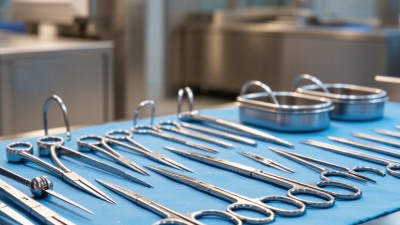
Surgical instruments are carefully designed tools used to examine, cut, grasp, separate, repair, or close human tissue. Their shapes often reveal their purpose. A scalpel creates a controlled incision, while forceps hold delicate tissue or guide materials. Retractors keep an opening visible, and needle holders help surgeons place precise stitches. Each instrument supports a specific movement, but none works safely without trained judgment.

In a modern operating room, surgical instruments pass through a strict process before use. Staff inspect their surfaces, joints, and locking mechanisms. They then clean, package, sterilize, and arrange them for the planned procedure. A bright metal tray may contain dozens of instruments, each positioned for quick identification. During surgery, the team selects tools according to anatomy, tissue condition, and the surgeon’s technique. Small differences matter. A blunt edge can protect tissue, while a damaged tip may reduce control.

This article explains what surgical instruments are and how professionals use them. It connects familiar tools with their practical roles, safety requirements, and clinical settings. Instrument names can vary between hospitals and specialties, so simple labels may not tell the whole story. That detail is easy to miss. Even experienced teams reassess their choices when bleeding, visibility, or tissue response changes. Good technique depends on more than memorizing instrument names. It requires observation, communication, sterile practice, and respect for each patient’s individual needs. No instrument replaces experience. This guide offers a clear foundation, while recognizing that real procedures demand supervised training, current clinical guidance, and careful professional judgment.
What Are Surgical Instruments and How Are They Used?

Definition and Purpose of Surgical Instruments

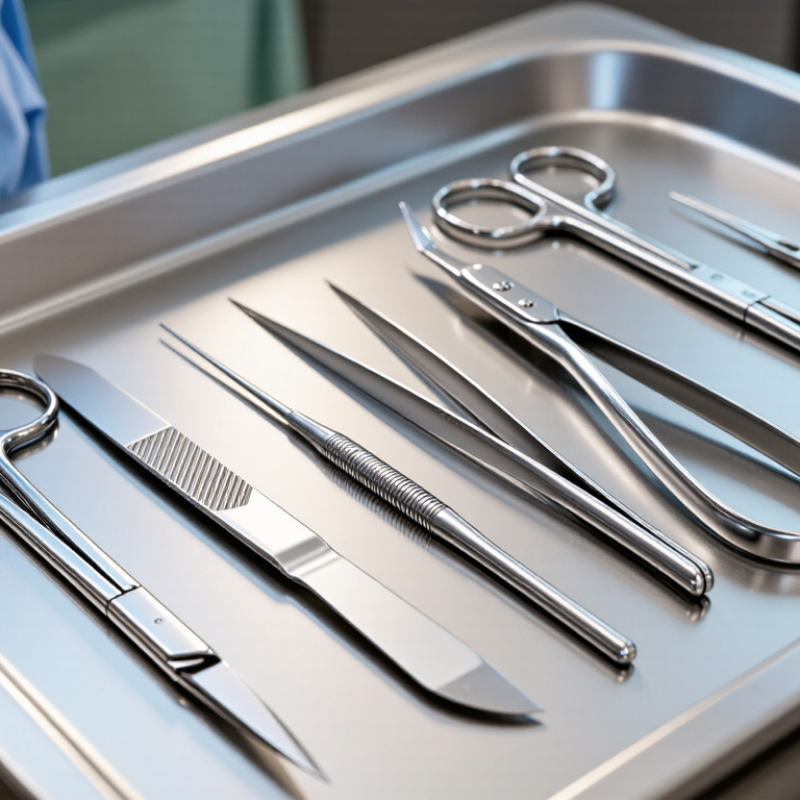
Surgical instruments are specialized tools used to examine, cut, grasp, separate, repair, or close body tissues during medical procedures. Their purpose is precise action with minimal tissue damage. A scalpel creates controlled incisions, while forceps hold delicate tissue or remove small materials. Retractors gently move tissue aside, giving the surgical team a clearer view. Suturing instruments help close wounds with measured tension.

Each instrument has a specific shape, material, and function. Some have fine tips for microsurgery. Others provide strength for bone or dense tissue. Their design also supports safe handling, visibility, and reliable control. Before use, trained staff inspect every instrument for damage, cleanliness, and proper movement. Instruments must undergo validated cleaning, sterilization, storage, and tracking procedures. A sterile appearance alone is not enough.

In practice, correct selection depends on the procedure, tissue condition, and surgeon’s technique. An unsuitable instrument may crush tissue, slip, or limit visibility. Small details matter. Staff also pass instruments in controlled ways and keep sharp edges protected. Even experienced teams can overlook wear on a hinge or a dull cutting edge. That is why inspection remains essential. Surgical instruments support clinical judgment; they do not replace it. Their value lies in precise design, careful maintenance, and disciplined use at every stage of care.

Surgical Instruments: Functions and Typical Uses

Surgical instruments are specialized tools used to cut, hold, expose, clamp, or close tissue during medical procedures. The chart shows representative examples for each primary functional category; many instruments can serve more than one purpose depending on the operation.

Main Categories and Examples of Surgical Instruments

What Are Surgical Instruments and How Are They Used?

Surgical instruments are specialized tools that help clinicians cut, hold, separate, inspect, or repair tissue. Their design reflects the procedure, anatomy, and required level of control. A scalpel creates precise incisions, while surgical scissors divide tissue or sutures. Forceps provide a firm grip without using the fingers directly. Small toothed forceps may hold skin, while smooth forceps protect delicate tissue.

The main categories include cutting and dissecting instruments, grasping instruments, retractors, clamps, suturing tools, and viewing devices. A hemostat temporarily compresses a blood vessel during an operation. A retractor holds tissue aside, giving the surgical team a clearer field. Needle holders guide curved needles through tissue with controlled pressure. Endoscopes provide visual access through a camera and light. These tools must be selected, inspected, cleaned, sterilized, and handled according to approved clinical protocols. A classification chart helps, but real procedures are less tidy. Instrument choice can change with tissue texture, bleeding, visibility, and surgeon preference.

Tips: Match the instrument to its intended task, not just its appearance. Check hinges, tips, insulation, and locking mechanisms before use. Keep sharp edges protected during handling. Never force a clamp or needle holder. A slight defect can affect precision. Training, facility procedures, and current infection-control guidance should direct every step.

What Are Surgical Instruments and How Are They Used? - Main Categories and Examples of Surgical Instruments

Main Category Instrument Example Primary Function Typical Surgical Use Key Design Feature Common Handling or Safety Consideration
Cutting and Dissecting Scalpel Creates precise incisions through skin or soft tissue. Used for opening tissue during general, orthopedic, and other surgical procedures. Sharp, narrow blade designed for controlled cutting. The blade is handled carefully and disposed of or processed according to the facility’s sharps policy.
Cutting and Dissecting Surgical Scissors Cuts tissue, sutures, dressings, or other surgical materials. Used for tissue dissection, trimming sutures, and cutting dressings. Blades may be straight or curved, and sharp or blunt depending on the task. Scissors should be selected according to the tissue or material being cut to limit unintended trauma.
Grasping and Holding Tissue Forceps Grasps and stabilizes tissue during examination, dissection, or suturing. Used to hold skin edges, fascia, or other tissues while the surgeon works. May have smooth, serrated, or toothed tips for different levels of tissue grip. Toothed tips are generally chosen when a firm grip is needed; delicate tissue requires gentler handling.
Grasping and Holding Tissue Forceps with Ring Handles Provides a secure grasp of tissue or surgical material. Used when tissue must be held firmly during dissection or removal. Ring handles and a locking ratchet can maintain the grasp without continuous finger pressure. The instrument should not be locked more tightly than necessary because excessive pressure may injure tissue.
Clamping and Occluding Hemostatic Clamp Temporarily compresses blood vessels or other tubular structures to control flow. Used to achieve hemostasis during procedures and to hold tissue or sutures. Typically includes serrated jaws and a ratchet locking mechanism. Clamping pressure must be appropriate for the vessel or tissue to reduce the risk of damage.
Clamping and Occluding Vascular Clamp Controls blood flow through a vessel while limiting tissue trauma. Used in vascular and cardiovascular procedures when temporary vessel occlusion is required. Often has atraumatic jaws designed to distribute pressure across the vessel. The clamp type and pressure are selected according to vessel size, location, and surgical objective.
Retracting and Exposing Handheld Retractor Moves tissue or organs aside to improve visibility and access. Used to expose the operative field during abdominal, orthopedic, and soft-tissue surgery. Usually consists of a handle and a blade with a curved or angled profile. Retraction should be gradual and controlled to avoid excessive pressure on nerves, vessels, or organs.
Retracting and Exposing Self-Retaining Retractor Maintains tissue separation without continuous manual holding. Used when stable exposure is needed for an extended portion of a procedure. Uses a ratchet, screw, or similar mechanism to hold the blades in position. The frame must be positioned securely and checked regularly for pressure-related tissue injury.
Suturing and Wound Closure Needle Holder Grips and guides a surgical needle during suturing. Used to close incisions, repair tissue, and place ligatures. Short, strong jaws and a locking handle provide controlled needle manipulation. The needle should be held securely near its midpoint or designated grasping area to reduce bending.
Suturing and Wound Closure Suture-Cutting Scissors Cuts suture material after a stitch or knot has been placed. Used during wound closure and suture removal. Small, sharp blades allow controlled cutting close to the knot or tissue. Care is required to avoid cutting the intended suture strand or contacting adjacent tissue.
Suction and Aspiration Suction Cannula Removes blood, fluid, irrigation solution, or small debris from the operative field. Used to maintain visibility during abdominal, orthopedic, dental, and other procedures. Includes a hollow tube connected to a suction source; tip designs vary by application. The tip should be used carefully around delicate tissue and kept clear to maintain effective suction.
Exploring and Probing Surgical Probe Explores the depth, direction, or continuity of a wound, opening, or anatomical passage. Used to assess cavities, sinus tracts, ducts, or other narrow areas. Usually has a slender shaft with a rounded or blunt tip. Probes should be advanced gently because excessive force can create a false passage or damage tissue.
Dilation and Access Dilator Gradually enlarges an opening, canal, or passage. Used in selected procedures involving ducts, vessels, body canals, or surgical access sites. May be tapered or provided in graduated sizes. Dilation is normally performed progressively to reduce tissue trauma and avoid perforation.
Endoscopic and Minimally Invasive Laparoscopic Grasper Grasps, moves, or stabilizes tissue through a small access port. Used during minimally invasive abdominal and pelvic procedures. Long shaft, insulated exterior, and a jaw mechanism operated from a handle outside the body. The instrument must be inserted and manipulated under visualization to avoid unintended tissue contact.
Endoscopic and Minimally Invasive Endoscopic Biopsy Forceps Obtains a small tissue sample for microscopic examination. Used through an endoscope to collect specimens from accessible internal surfaces. Small cup-shaped or biting jaws operated through a flexible or rigid shaft. Specimens require correct labeling, secure containment, and transfer according to laboratory procedures.
Orthopedic and Bone Instruments Bone Rongeur Removes or trims small pieces of bone or hard tissue. Used in selected orthopedic, neurosurgical, and reconstructive procedures. Strong jaws designed to bite and remove bone in controlled pieces. The instrument is used with controlled force to prevent unintended fractures or damage to nearby structures.
Orthopedic and Bone Instruments Bone Saw Cuts bone during resection or reshaping. Used in orthopedic procedures and selected reconstructive operations. Rigid or powered cutting surface designed for bone rather than soft tissue. Appropriate protective measures, irrigation when indicated, and control of bone debris are important during use.
Measuring and Monitoring Surgical Ruler or Depth Gauge Measures length, depth, spacing, or implant-related dimensions. Used to document wound size, assess anatomical depth, or guide procedural planning. Graduated markings provide a standardized measurement reference. The scale should be clearly visible and positioned consistently to support accurate measurements.

Materials, Design, and Essential Instrument Features

What Are Surgical Instruments and How Are They Used?

Materials, Design, and Essential Instrument Features

Surgical instruments are precision tools used to cut, grasp, separate, clamp, or examine tissue. Common materials include stainless steel, titanium, and medical-grade polymers. Stainless steel offers strength, corrosion resistance, and reliable sterilization. Titanium is lighter and useful when reduced weight matters. Polymer components may improve grip or protect delicate surfaces. Each material must match the instrument’s intended function and cleaning process.

Good design supports control under pressure. A scalpel needs a stable handle and a sharp, predictable edge. Forceps should close evenly without crushing tissue. Retractors require smooth surfaces and balanced leverage. Hinges must move freely, while locking parts should hold securely without excessive force. Small details matter, such as textured finger rings, visible joints, and rounded edges that reduce hand fatigue. However, no design is perfect. A handle that feels comfortable in one procedure may feel awkward during a longer operation. Proper evaluation still depends on trained clinical experience.

Tips: Inspect instruments under bright light before use. Check for rust, misaligned jaws, loose hinges, or dull cutting edges. Clean narrow joints carefully, then follow validated sterilization procedures. Store instruments dry and protected from impact. A simple count before and after surgery can prevent avoidable errors. When performance changes, remove the instrument from service and request professional assessment.

How Surgical Instruments Are Used During Procedures

Surgical instruments are precision tools used to cut, grasp, clamp, separate, repair, or examine body tissues. During a procedure, each instrument has a defined role. A scalpel opens tissue with controlled pressure. Forceps hold delicate structures. Retractors keep the operative field visible. Clamps temporarily control bleeding or isolate a vessel. The surgeon and scrub team must choose instruments according to tissue type, surgical stage, and the patient’s condition.

Instrument use depends on careful handling, not appearance alone. A nurse may pass a curved hemostat handle-first, while the surgeon checks its alignment and locking action. Sharp edges remain covered when not needed.

Instruments entering sterile tissue must be sterilized, as required by CDC infection-control guidance. The World Health Organization’s surgical safety study reported major complications falling from 11% to 7% after checklist implementation. This suggests that organized instrument use supports safer teamwork, although instruments alone cannot prevent errors.

The details matter.

Before incision, the team counts instruments, needles, and sponges. They repeat the count before closure. A damaged ratchet, loose joint, or dull blade can slow the operation and injure tissue. AAMI guidance emphasizes validated cleaning, inspection, packaging, and sterilization processes. Still, practice is not flawless. A clean-looking instrument may hide residue in a hinge. Human fatigue can affect counting. For that reason, experienced teams use checklists, visual inspection, and clear verbal confirmation rather than relying on memory.

Cleaning, Sterilization, and Safe Instrument Handling

Surgical instruments are designed for specific tasks: cutting, grasping, clamping, or separating tissue. Their safety depends on more than correct use. Cleaning, sterilization, and careful handling must work together.

CLEANING begins immediately after use. Dried blood can harden inside box locks, hinges, and narrow channels. Staff should separate instruments, open hinged parts, and follow the validated detergent instructions.

Visual inspection matters. A bright light may reveal residue that a quick rinse misses. The Centers for Disease Control and Prevention states that cleaning must occur before disinfection or sterilization, because organic material can interfere with both processes. It is an easy step to underestimate.

STERILIZATION requires the correct method, time, temperature, and load arrangement. Steam sterilization is widely used for heat-stable instruments, but overloaded trays can block contact with the sterilizing agent.

7 in 100  |  15 in 100
The World Health Organization’s 2022 infection prevention report found healthcare-associated infections affected about 7 in 100 patients in high-income countries and 15 in 100 patients in low- and middle-income countries.

These figures show why small handling failures deserve attention. After processing, instruments should remain dry, intact, and packaged until use. Wet packs are not safe to ignore. Even experienced teams can miss a stained joint or damaged tip, so inspection records, indicator checks, and regular competency training should support—not replace—professional judgment.

We use cookies to ensure that we give you the best experience on our website.