Call us on 01707 385 226

How to Choose the Right Medical Labels for Your Business?

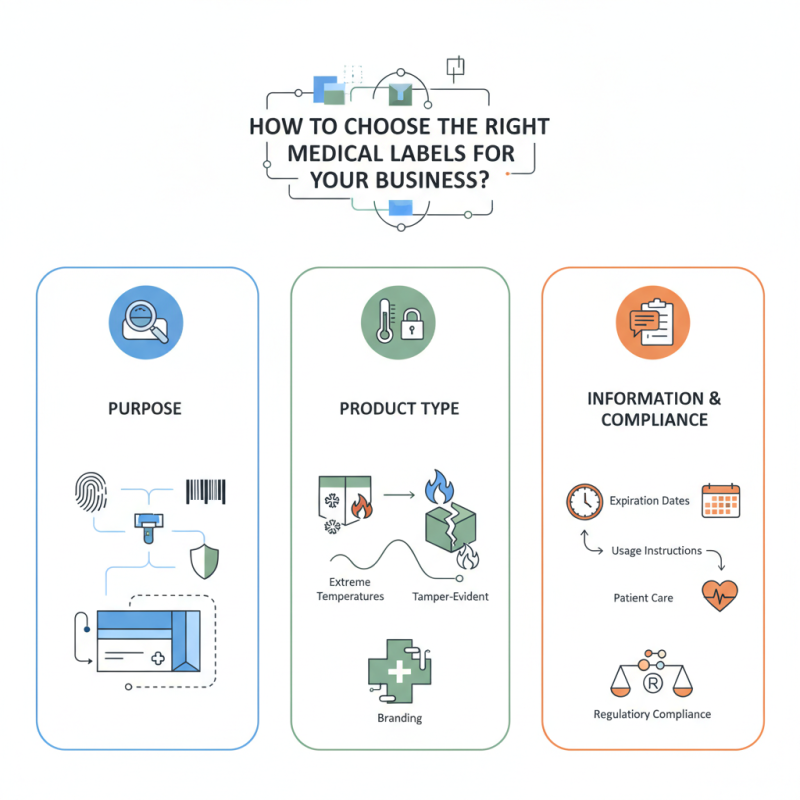
Choosing the right medical labels for your business is crucial. Medical labels serve many purposes. They help in identifying, tracking, and ensuring the safety of medical products. Selecting the appropriate labels can impact patient care and regulatory compliance.

Consider the type of medical products you handle. Different products require specific labeling features. For instance, some labels may need to withstand extreme temperatures. Others might need to be tamper-evident. These details are essential for maintaining the integrity of medical supplies.

Also, reflect on the information you need to include. This can range from usage instructions to expiration dates. The clarity and design of your medical labels can greatly affect readability. Remember, effective communication through labeling can save lives. Balancing branding and compliance is challenging but necessary. Your choices reflect your commitment to quality and safety.
How to Choose the Right Medical Labels for Your Business?

Identifying Your Business Needs for Medical Labels
How to Choose the Right Medical Labels for Your Business?

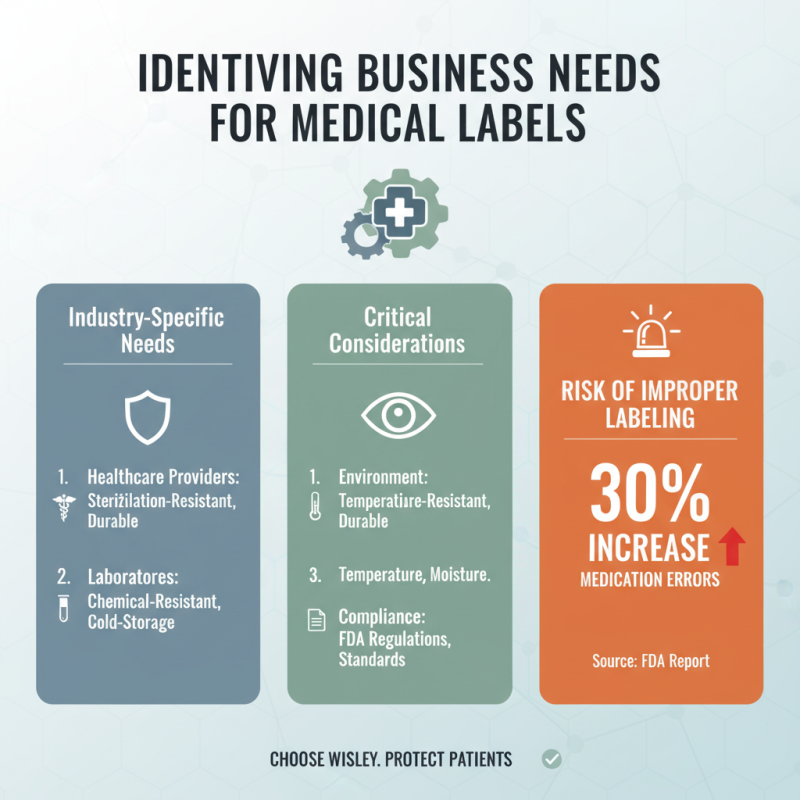
Choosing the right medical labels requires a clear understanding of your specific business needs. Various industries demand different labeling solutions. For example, healthcare providers often need labels that withstand sterilization and maintain readability under various conditions. According to a report by the FDA, improper labeling can lead to a 30% increase in medication errors. This statistic highlights the critical need for suitable labels tailored to your operations.

Consider these tips. First, assess the environmental factors your labels will encounter. Will they be exposed to moisture or extreme temperatures? Understanding these aspects is vital for longevity. Second, think about the information that needs to be displayed. Engaging with professionals in label design can aid in presenting information clearly, minimizing confusion when it matters most.

Finally, remember to also factor in compliance regulations. Staying compliant can enhance trust in your business. Regularly consult with regulatory documents to ensure your labels match the latest standards. Given the complexity, businesses may find it beneficial to partner with experts in medical labeling for guidance tailored to their unique situation.
Understanding Different Types of Medical Labels Available

When selecting medical labels, it's essential to understand the available options. Medical labels vary in purpose, material, and regulatory compliance. Specific labels are designed for medications, while others are tailored for medical equipment. Reports indicate that over 75% of healthcare professionals prefer labels that meet stringent regulatory standards, ensuring safety and compliance.

Adhesive labels must withstand various conditions. For instance, waterproof and resistant materials are critical for labels used in surgical settings. According to industry data, around 30% of label failures were due to inadequate material choice. This highlights the need to consider the environment in which the labels will be used. Labels must also be clear and legible. In fact, studies show that about 40% of medication errors are linked to improper labeling.

Furthermore, technology plays a role in labeling. Smart labels equipped with QR codes enhance traceability and patient safety. However, relying heavily on technology can introduce challenges. Compatibility with existing systems is crucial. As the medical sector embraces innovations, businesses need to stay informed. Labels reflect a commitment to quality and patient care, making the choice of the right label a critical decision for any medical entity.

Evaluating Label Materials and Durability Requirements

How to Choose the Right Medical Labels for Your Business?

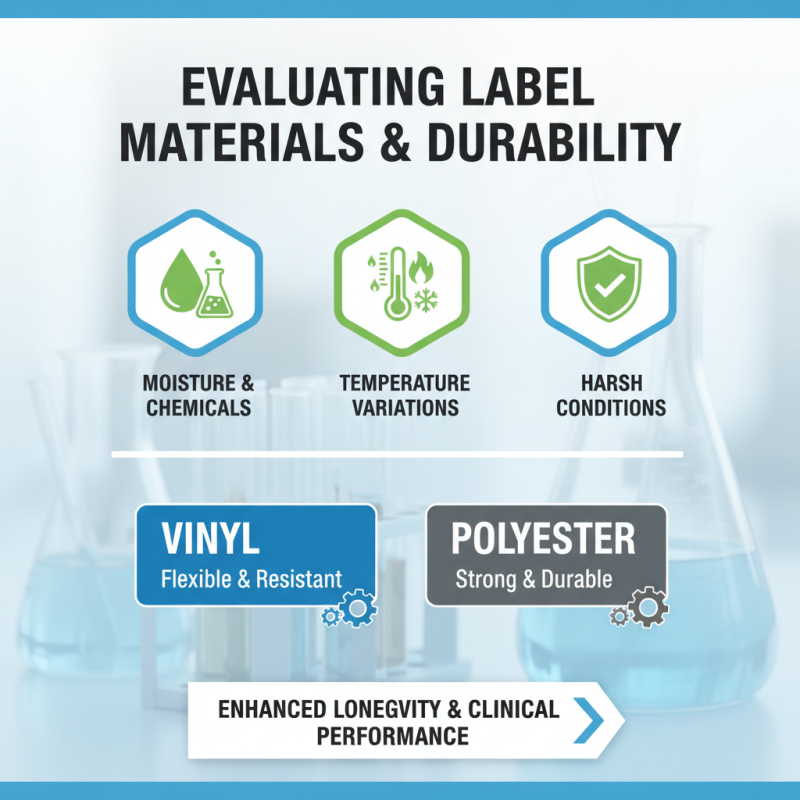
Choosing the right label materials is essential for medical businesses. The labels must withstand harsh conditions, such as exposure to moisture, chemicals, and temperature variations. Consider materials like vinyl or polyester for their durability and resistance. These choices can enhance label longevity and performance, especially in clinical environments.

Durability is a key factor. Examine the environment where the labels will be used. If labels face extreme temperatures or heavy handling, prioritize stronger materials. Some labels may need to be waterproof or resistant to chemicals. Each application has unique requirements, affecting the ideal choice. Weigh the options carefully to avoid poor decision-making. It’s easy to overlook these factors in the rush to standardize processes.

Many businesses underestimate the impact of label quality. A cheap label can lead to fading or peeling, causing confusion and delays. It can result in compliance issues. Reflecting on past experiences can guide better choices. Learn from mistakes and seek advice if needed. Strive for a balance of cost and durability rather than just going for the cheapest option. Consider the long-term implications of your label choice.

Compliance with Regulatory Standards in Medical Labeling

Ensuring compliance with regulatory standards in medical labeling is crucial for any business in the healthcare sector. According to a recent report by the FDA, over 25% of labeling violations stem from non-compliance with established guidelines. This highlights the need for precise label adherence to avoid costly fines and potential recalls. Medical labels must include essential information such as ingredients, usage instructions, and safety warnings.

Precision in labeling not only affects compliance but also patient safety. A 2021 study revealed that unclear labeling contributed to nearly 15% of medication errors. Businesses must invest time in understanding the regulatory landscape, including state and federal labeling requirements. It is vital to stay updated with changes, as regulations evolve. Companies should implement periodic training sessions for staff to minimize the risk of inaccuracies.

Furthermore, it’s essential to choose materials that withstand regulatory scrutiny. Labels must be durable, resistant to moisture, and readable under various conditions. Some businesses opt for digital solutions to enhance accuracy. However, the technology used must also comply with regulations. Therefore, balancing innovation with strict adherence to qualitative standards is imperative for maintaining compliance and ensuring safety.

Selecting the Right Printing Technology for Your Labels

Choosing the right printing technology for medical labels requires a careful assessment of various factors. High-quality labels are crucial in healthcare. They must withstand sterilization processes and remain legible under different conditions. Ink durability, adhesive strength, and material choice can greatly impact label performance. Each printing technology offers unique benefits and limitations.

Digital printing is often favored for short runs. It allows quick changes and customization. However, it may not be ideal for high-volume needs. Flexographic and thermal transfer printing provide durability for larger projects. They can handle extensive production but require more setup time and costs. Consider the volume of labels you need and how quickly you need them.

Selecting the right technology can be challenging. Assess what your business needs. Test samples to evaluate quality and performance. Often, a hybrid approach may work best. Combine technologies for flexibility and efficiency. Reflect on how changes in regulations or materials impact your choices. Making informed decisions ensures your medical labels meet industry standards and serve their intended purpose effectively.

Choosing the Right Medical Labels: A Comparison of Printing Technologies

We use cookies to ensure that we give you the best experience on our website.