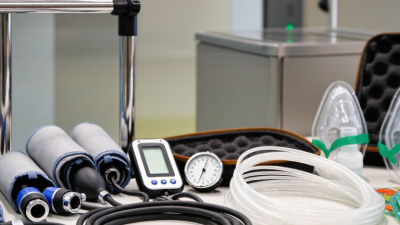
Choosing a medical equipment website is not just a matter of comparing prices. A clear product photo can help, but it cannot confirm compatibility, maintenance needs, or the quality of support. Buyers should check whether listings provide precise specifications, manufacturer details, warranty terms, and instructions for contacting a knowledgeable representative. Small details matter.
Dr. Donald Berwick, a physician and healthcare quality-improvement expert, observed, “Every system is perfectly designed to get the results it gets.” He was discussing systems broadly, not online stores. Still, his point offers a useful lens: a reliable medical equipment website should make dependable information and support part of its process, not leave them to chance. Look for consistent product records, clear shipping and return policies, and straightforward explanations of service and replacement parts. If a listing leaves basic questions unanswered, pause and ask for clarification.
A polished homepage is not proof of trustworthiness. Nor is a low price. Compare claims with manufacturer documentation, and verify that the equipment fits its intended setting and users. For clinical decisions, involve qualified healthcare professionals. No checklist is perfect. I would also question my first impression: a small website may offer excellent support, while a large one may still have gaps. The aim is not to find a flawless seller, but to make a careful, documented choice—and to know who will respond when something goes wrong.
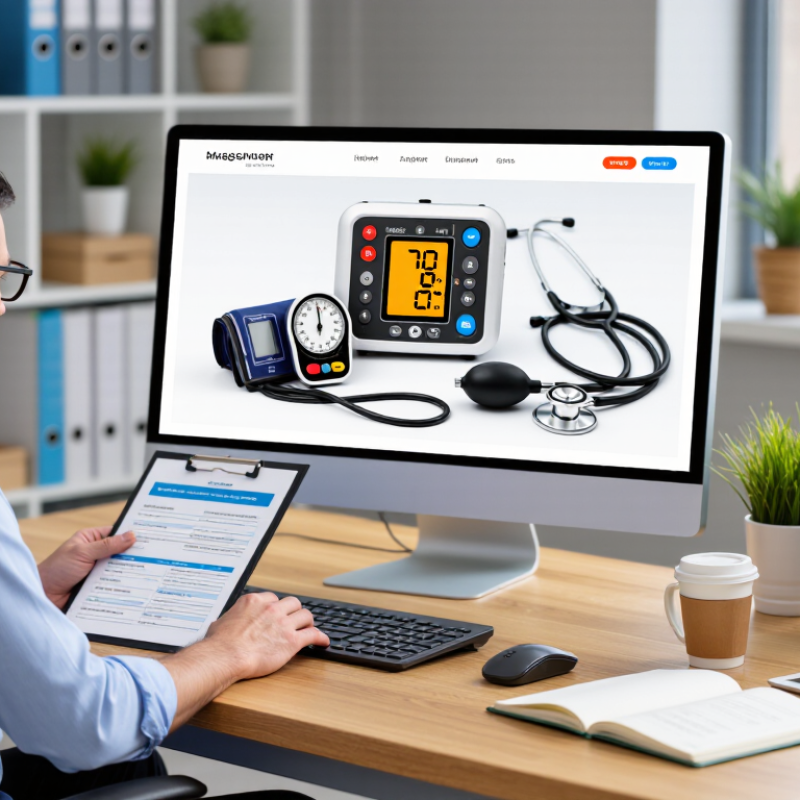
Before comparing medical equipment websites, write down what the equipment must do. Note who will use it, where it will be used, and how often. A home blood pressure monitor has different needs from equipment used in a busy clinic. Record practical details, too: available space, power supply, cleaning routine, and any required accessories. Measure the storage area. It sounds obvious, but it is easy to forget.
Next, turn those needs into website requirements. Product pages should provide clear specifications, intended-use information, included accessories, and compatible consumables. Look for downloadable manuals and straightforward guidance on setup and maintenance. If a device must work with equipment already in use, confirm compatibility with a qualified professional rather than guessing from a product photo. Photos can hide important details.
The site should also make support easy to assess. Check whether contact options, service information, warranty terms, and return conditions are clearly explained. For clinical purchases, seek documentation that supports the device’s stated specifications, and confirm details with the supplier when anything is unclear. I would not treat a polished design as proof of quality. A missing manual or vague answer may be a small warning, though not every gap tells the whole story. Keep a short checklist beside you while browsing; imperfect notes are still better than relying on memory.
Before buying, confirm who stands behind the website. Look for a registered business name, a verifiable street address, and a working phone number. Call during business hours and ask who handles technical support, returns, and device documentation. A polished storefront is not proof. I have seen contact forms lead nowhere.
Check that the seller explains how products meet applicable regulatory requirements in your market. Ask for the device’s exact model, manufacturer details, instructions for use, and relevant conformity or authorization records. Verify claims with the appropriate regulator or official database; document numbers should match the product, not just a similar model. The World Health Organization’s 2017 global review estimated that about one in ten medical products in low- and middle-income countries is substandard or falsified. That estimate is not specific to equipment, but it shows why traceable sourcing matters.
Review the site’s privacy and payment practices, too. The IBM Cost of a Data Breach Report 2024 put the average healthcare breach cost at US$9.77 million, underscoring the sensitivity of health information. A seller asking for patient details should explain why they need them and how they protect them. Save the product page, written answers, and invoices. Small check. One caveat: a genuine document can still be outdated, so confirm its date and scope before relying on it.
A reliable medical-equipment website makes product claims easy to verify. Look for the exact model number, intended use, manufacturer documentation, warranty terms, and service options. Check that specifications match your needs: a monitor’s measurement range, alarm settings, compatible accessories, and power requirements can affect daily use. Details matter.
Do not treat a quality certificate or product photo as proof of suitability. Compare listed specifications with the device’s official instructions for use, and ask for missing documents before ordering.
OECD’s Health at a Glance 2023 reports about 17 MRI scanners per million people across OECD countries in 2021. That variation is a reminder that access to equipment and support can differ by location.
Ask whether the item is physically in stock, when the stock status was last updated, and what delivery and installation timelines apply. Check who handles calibration, repairs, and replacement parts after arrival. A warehouse label is not a service plan.
WHO’s Global Atlas of Medical Devices, drawing on responses from 125 countries, also reflects how medical-device resources and systems vary between settings.
I still double-check vague availability promises; even careful buyers can miss a lead-time detail.
A reliable medical equipment website makes the full cost visible before checkout. Compare the same model, including required accessories, delivery, taxes, and setup fees. A low sticker price can become expensive when a sensor, battery, or compatible cuff is sold separately. Ask for a written quote if specifications or quantities are unclear. That matters. At payment, look for a secure checkout and a clear privacy notice; a padlock icon alone does not prove a seller is trustworthy. Use a payment method with dispute support, and confirm that you will receive an itemized invoice. Pause if the seller pressures you to use an unusual payment channel or cannot explain how payment data is handled.
Shipping details deserve equal scrutiny. Check whether the item is in stock, when it is expected to leave the warehouse, and whether tracking is included. For equipment that needs careful handling, ask how it will be packed and what to do if the box arrives damaged. Read the return policy before opening anything: restocking or return-freight fees may apply, and deadlines can start at delivery. Confirm whether returns for defects differ from preference-based returns, and keep the packaging, delivery photos, and serial number. Even careful readers can miss a fee; policies are often harder to interpret than product pages. If a term remains vague, request clarification in writing before ordering.
A reliable medical equipment website should make support easy to verify before you buy. Look for a working phone number, published service hours, and a clear process for reporting faults. Ask whether support staff can help troubleshoot the exact model, and whether technicians or replacement parts are available in your area. Details matter. Save a copy of the answers.
Warranty wording deserves a close read. Check when coverage begins, whether labor and shipping are included, and which parts are excluded. Confirm how long repairs usually take and whether loan equipment is offered during service. The World Health Organization’s 2011 Medical Equipment Maintenance Programme Overview reports that an estimated 50% of medical equipment in some developing countries is not in use, with maintenance among the contributing challenges. The figure is not a measure of online retailers, but it underlines why service access matters.
After-sales service should include practical guidance on setup, maintenance schedules, calibration, and safe storage. Check whether service visits and parts are priced before purchase, not only after a fault occurs. Keep written records. A polished website can still leave gaps, and an unclear warranty may be easy to overlook when comparing prices. If the seller cannot explain who handles a repair or how to arrange it, pause and ask for the process in writing.
Compare customer support, warranty coverage, and after-sales service using a consistent evidence-based checklist.
Illustrative example scores only—not ratings of any company or a market survey. Score each item from 0 (no verifiable evidence) to 5 (clear, complete, and easy to verify). Check published contact options, warranty terms and exclusions, return procedures, technical assistance, and access to replacement parts before purchasing.
© 2025 Henleys Medical Supplies | Website Cookies & Privacy Policy | Company Privacy Notice | Terms of Sale | Cancellation & Returns | Company Reg No. 452882 | Vat No. GB229 2540 68 | Web design by Cariad Marketing