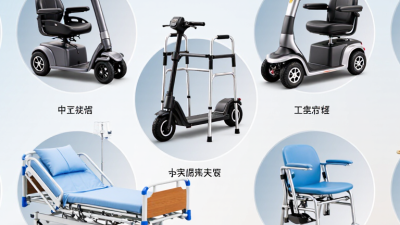
10 Tips for Buying Handicap Equipment?
Buying handicap equipment is a personal decision, not a simple shopping task. A ramp, shower chair, walker, or wheelchair must fit both the user and the space where it will be used. The best-looking option may still feel awkward at a doorway or slippery beside a bathtub. Small details matter.
Wheelchair-engineering researcher Dr. Rory A. Cooper is often associated with this guiding idea: “A wheelchair is an extension of the person.” That perspective helps frame these ten tips: focus on daily routines, comfort, safety, adjustability, and reliable support—not just price or product features. Try equipment when possible. Check measurements, weight limits, storage needs, and whether caregivers can use it comfortably.
A careful choice can make getting dressed, moving between rooms, or bathing less stressful. Yet no checklist can replace individual assessment. Needs change, and a device that works at home may not suit travel or outdoor use. That deserves a second look. Ask qualified clinicians or assistive technology specialists for advice when fit or function is uncertain. Compare warranties and service options, too. A low purchase price may not reflect the full cost of upkeep. These tips offer a practical starting point, while leaving room for personal preferences and honest reassessment.
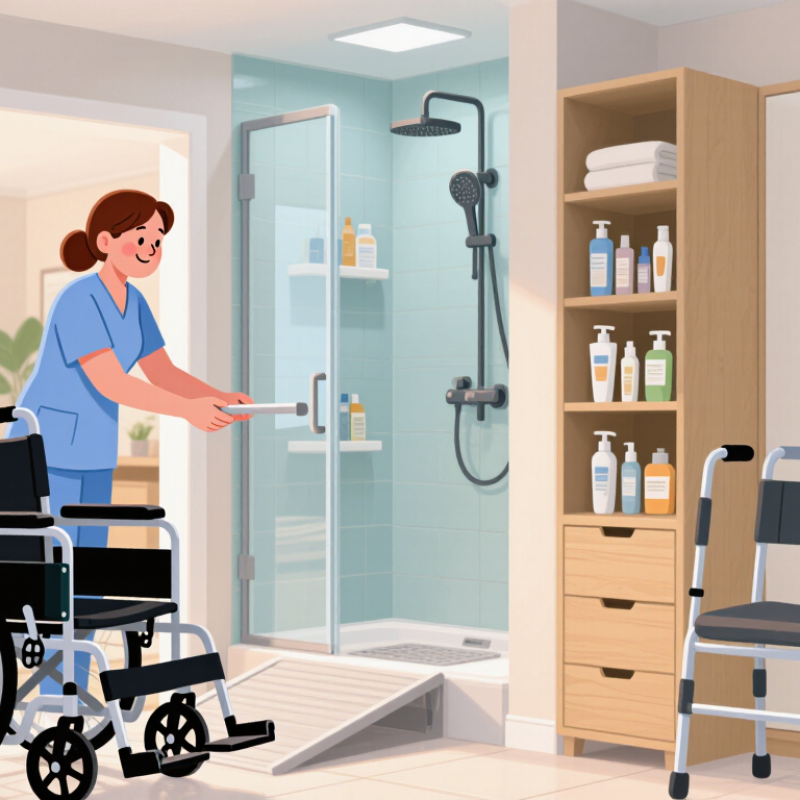
Assess Your Needs, Daily Tasks, and Accessibility Goals
Buying equipment for accessibility starts with the tasks that feel difficult, not with a product list. Note what happens during a typical day: getting out of bed, stepping into the shower, reaching kitchen shelves, or moving between rooms. Record where you feel unsteady, tired, or dependent on help. Small details matter. A narrow doorway or slippery floor can affect whether equipment works well at home.
Tip: Write down three daily tasks you want to make safer or easier. Include when and where each task happens, plus any space limits. For example, measure the bathroom doorway and the clear floor area beside the toilet. Think about your goals, too. You may want to manage a routine more independently, conserve energy, or reduce the risk of falls. Priorities can change, and a checklist may miss something at first.
Before choosing equipment, consider who will use it and how often. Check that handles, controls, and seat heights feel manageable. If possible, try the equipment in a similar setting and ask a qualified occupational therapist or healthcare professional about fit and safe use. Their advice can help identify needs that are easy to overlook. A device that looks suitable may still feel awkward during a real task. Notice that. Also consider storage, cleaning, and whether someone can help with setup.
10 Tips for Buying Handicap Equipment: Assess Your Needs, Daily Tasks, and Accessibility Goals
How to use this chart: Rate each task from 1 (independent) to 5 (substantial assistance or a major barrier). These sample ratings are illustrative, not research findings or a clinical assessment. Replace them with your own ratings, then prioritize equipment that addresses your most important daily tasks, home layout, and accessibility goals.
Consult Healthcare and Assistive Technology Professionals
A consultation can prevent an expensive mismatch. Speak with a healthcare professional who understands your daily needs, such as an occupational or physical therapist. Describe specific tasks that feel difficult: stepping into a shower, reaching a kitchen shelf, or moving from bed to chair. Small details matter. A device that works in a clinic may not fit beside your narrow hallway or on a thick rug. Bring room measurements, photos, and notes about your routine. Mention pain, fatigue, balance concerns, and who may help with setup or transfers.
Ask an assistive technology professional to explain available options, fitting, and safe use. If possible, try the equipment in conditions similar to home. Check seat height, grip, turning space, and whether controls are easy to reach. Ask what training is included and how often the equipment should be checked. A written plan for setup and maintenance can prevent confusion later. I have seen people focus on the feature list and overlook storage space; that assumption is easy to make. Your first choice may not be right. Ask questions, share concerns, and request another assessment if the fit feels uncomfortable or unsafe.
Research Equipment Types, Features, and Compatibility
Research the task before choosing equipment. A transfer bench, rollator, and power wheelchair solve different mobility problems. List where the device will be used, who will operate it, and what daily tasks it must support. Measure doorways, bed height, turning space, and vehicle storage. A device that fits the person but not the home can quickly become frustrating.
Check load limits, adjustability, controls, power needs, and accessory interfaces. For a wheelchair, test whether the cushion, footrests, and seating support work together; for bathroom equipment, check seat height and floor stability. Ask a qualified rehabilitation professional to assess fit and demonstrate adjustments. Fit matters.
The WHO and UNICEF’s 2022 Global Report on Assistive Technology estimates that over 2.5 billion people need one or more assistive products, with demand potentially reaching 3.5 billion by 2050.
That scale makes informed selection important, but a population statistic cannot determine one person’s best device. WHO’s 2008 wheelchair-provision guidelines emphasize assessment, fitting, user training, and follow-up. Request a trial when possible, and confirm repair access and replacement-part availability.
I would still recheck measurements after delivery; bodies, routines, and rooms change.
Check Fit, Safety, Ease of Use, and Trial Options
Fit is not a cosmetic detail. A poorly sized walker or wheelchair can make transfers harder and cause discomfort. Check seat height, footrest position, handle height, and doorway clearance. Ask a qualified clinician to assess fit when possible. Small mismatch. Real strain.
Test safety in realistic conditions. Apply brakes, turn, cross a threshold, and check stability on the surfaces you use at home. A smooth showroom floor can mislead. Test whether you can grip controls, fold the device, or manage adjustments without pain. Can a caregiver help easily? One brief trial cannot prove long-term comfort, but it may reveal problems you would otherwise miss.
The WHO-UNICEF 2022 Global Report on Assistive Technology estimates that 2.5 billion people need assistive products worldwide. Nearly one billion lack access. Ask about trial periods, return terms, servicing, and repair costs before buying. Write down measurements and concerns during the trial; details are easy to forget. Then review them with a qualified professional, especially if your needs or mobility may change.
Compare Costs, Funding, Warranties, and Maintenance
When comparing handicap equipment, look beyond the sticker price. A lower-cost ramp or shower chair may need extra fittings, delivery, or installation. Ask for an itemized quote that includes these charges. Then estimate routine costs, such as replacement tips, batteries, or cleaning supplies. Small expenses add up.
Funding can change what is affordable, but eligibility and paperwork vary by location and program. Contact the relevant insurer, public agency, or community support service before ordering. Ask whether they require a prescription, assessment, or supplier quote. Keep copies of emails and receipts. It is frustrating, but useful. If funding is delayed, ask about rental options or a short-term loan; availability is not guaranteed. Do not assume reimbursement until approval is confirmed.
Read the warranty for coverage length, exclusions, and who pays shipping or labor. It may cover a frame defect but not wear from daily use. Ask how repairs are arranged and whether loan equipment is available. Maintenance matters, too. Check brakes, fasteners, wheels, and straps regularly, following the manual. Record issues and service dates. A checklist by the doorway can help, though it may be forgotten on busy days. Before buying, check whether parts and qualified repair help are accessible nearby. If fit is uncertain, ask a clinician or occupational therapist to assess transfers, reach, and doorway clearance.