China Top 10 Handicap Equipment Suppliers?
Finding reliable handicap equipment suppliers in China requires more than comparing product prices. A strong supplier should understand accessibility, user safety, caregiver needs, and long-term durability. This guide examines ten notable Chinese suppliers across wheelchairs, mobility scooters, walking aids, transfer equipment, shower chairs, ramps, and related products.
Practical details matter. A wheelchair frame should feel stable during repeated transfers. A ramp needs a clear load rating and a surface that remains secure when wet. Shower chairs should offer firm grips, drainage, and adjustable height. Small features can prevent serious discomfort.
The selection considers manufacturing experience, product range, quality controls, export capability, customization support, and communication. Evidence may include factory audits, product testing, ISO-related quality systems, warranty terms, and documentation for regional compliance. Buyers should still verify every claim independently.
No ranking is perfect.
Supplier performance can vary by model, production batch, and market. Some companies may have excellent factories but limited after-sales support. Others may offer responsive service but weaker customization. This article acknowledges those gaps instead of presenting a flawless list.
Readers should request samples, inspect packaging, confirm replacement-part availability, and discuss user requirements before placing large orders. A supplier serving hospitals may not suit home-care buyers. Likewise, a low-cost product may create higher maintenance expenses later.
The following overview provides a practical starting point for evaluating China’s top 10 handicap equipment suppliers. It supports informed comparison, but professional assessment remains essential for complex mobility and rehabilitation needs.
WHO/UNICEF Data: 2.5 Billion People Need Assistive Technology
China Top 10 Handicap Equipment Suppliers?
WHO and UNICEF’s Global Report on Assistive Technology estimates that more than 2.5 billion people need assistive products today. By 2050, this figure may reach 3.5 billion. The need includes wheelchairs, walking aids, hearing devices, communication tools, and daily-living equipment. These figures should change how buyers assess China’s top suppliers. Factory scale matters, but clinical suitability matters more. A low price cannot replace safe fitting, repairs, or user training.
China’s supplier landscape is broad, yet a simple top-ten list can mislead. Serious evaluation should examine ISO 13485 quality systems, product testing records, material traceability, and after-sales procedures. WHO’s 2022 report identifies affordability, availability, trained personnel, and maintenance as global barriers. Many users abandon products when they do not fit their bodies or routines. A technically advanced device may still fail on a crowded bus, wet ramp, or uneven village road.
Tips: Request samples, test reports, adjustment instructions, and spare-parts timelines. Confirm weight limits and cleaning requirements. Let therapists and users test comfort before bulk purchasing. UNICEF’s procurement principles support transparent specifications and evidence-based selection. Supplier claims still need independent checking. A polished catalogue is not proof of quality. Real feedback may be incomplete, but it can reveal problems that certificates miss.
China’s Top 10 Suppliers Ranked by Revenue, Capacity, and Export Data
China’s top ten handicap equipment suppliers should be ranked by evidence, not factory size alone. Revenue can indicate market strength, while production capacity shows whether a supplier can handle large orders. Export data reveals international reach and delivery consistency. This ranking model assigns 40% to verified revenue, 35% to annual capacity, and 25% to export performance.
The data should combine audited company filings, China Customs statistics, and UN Comtrade records under HS 8713 for invalid carriages. Product quality also matters. ISO 7176 test records, load testing, battery safety documents, and after-sales response times provide useful checks. A supplier reporting 80,000 units annually should show assembly lines, warehouse space, and regular container shipments. Numbers need proof.
The World Health Organization and UNICEF reported that more than 2.5 billion people need assistive products worldwide. That demand makes production scale important, but scale alone can mislead. Some factories outsource key components, weakening capacity claims. Export records may also include trading companies rather than manufacturers. This is an imperfect ranking, and it should be reviewed each year. Buyers should request three years of revenue evidence, monthly output records, inspection reports, and destination-country shipment data before selecting from the top ten.
Wheelchairs, Walkers, Ramps, Hoists, and Accessible Vehicle Suppliers
China Top 10 Handicap Equipment Suppliers
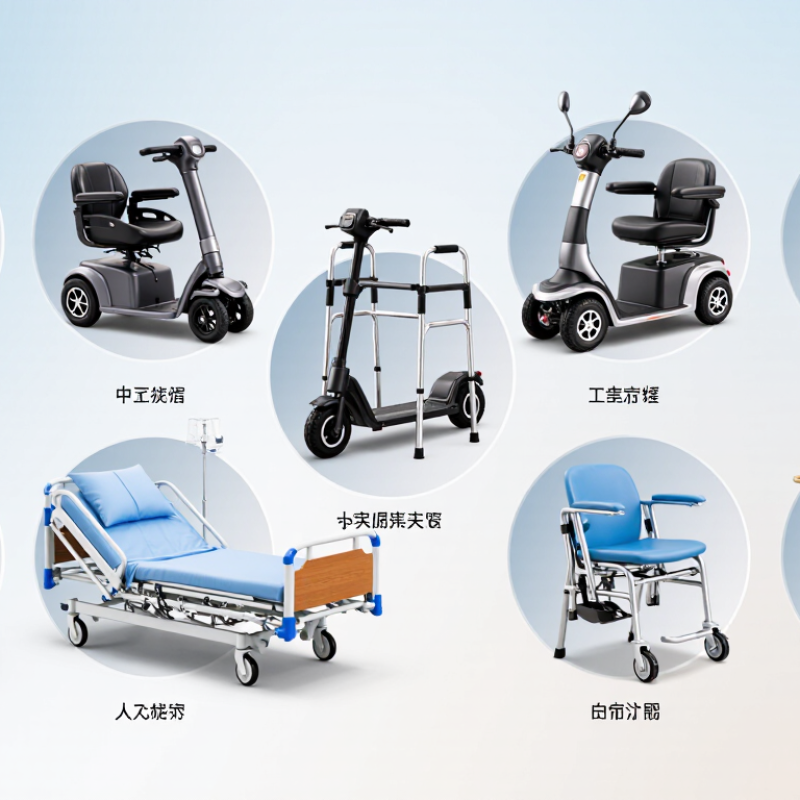
China’s top ten handicap equipment suppliers typically cover wheelchairs, walkers, ramps, hoists, and accessible vehicles. Their product ranges may serve homes, hospitals, care centers, and public buildings. A reliable supplier should provide clear dimensions, material details, weight limits, and maintenance instructions. Product photographs are useful, but technical drawings matter more.
For wheelchairs, check seat width, turning radius, brake performance, and battery protection. Walkers should have stable rubber tips and height settings that match the user’s posture. Ramps need a documented load rating, firm edge protection, and a surface that remains secure when wet. Small details matter. A two-millimeter height difference can affect daily comfort.
Hoists require careful attention to lifting capacity, emergency lowering, sling compatibility, and inspection records. Accessible vehicle suppliers should explain wheelchair anchoring, transfer space, step height, and restraint arrangements. Request factory quality records, sample testing, spare-parts availability, and response times for service questions. Regional regulations may differ, so buyers should verify compliance before installation or import. A catalogue can look complete, yet one missing measurement may create an expensive problem. Some suppliers also overstate delivery timelines. Allow time for independent checks, installation trials, and feedback from actual users.
Quality Standards: ISO 13485, CE Marking, FDA Registration, and Testing
China Top 10 Handicap Equipment Suppliers?
Selecting handicap equipment suppliers requires more than comparing prices. ISO 13485 is a useful quality-system benchmark for medical devices. It covers design controls, risk management, traceability, and corrective actions. However, certification does not guarantee every product is safe. Supplier audits should review valid certificates, factory scope, expiry dates, and production records. The WHO and UNICEF Global Report on Assistive Technology estimates that more than 2.5 billion people need assistive products worldwide. Demand is growing, but quality failures can directly affect mobility and daily independence.
CE Marking shows that a product meets applicable European Union requirements after the correct conformity assessment. It is not a universal safety certificate. FDA registration and device listing also do not mean FDA approval. Buyers should request the device classification, test reports, declaration of conformity, and complaint-handling records. For wheelchairs, walkers, and transfer equipment, testing may include load strength, braking performance, stability, durability, and biocompatibility where relevant. Testing must match the product. This is often missed.
Tips: Ask for reports from competent laboratories, not only internal checklists. Confirm report numbers and model names. Review sample labels, manuals, and packaging before shipment. Keep a small batch for independent inspection. A supplier may have excellent paperwork but inconsistent assembly. That uncomfortable gap deserves attention. Procurement teams should also document corrective actions and retest products after design changes.
Supplier Comparison: MOQ, Lead Time, Customization, Warranty, and Service
Comparing China’s top ten handicap equipment suppliers requires more than checking catalog size. In real purchasing, MOQ often changes the final price. Some suppliers accept ten units for trial orders, while others require fifty or more. Ask whether accessories count toward the MOQ. A low MOQ may still hide higher packaging or inspection charges. Request a written quotation with model numbers, materials, and included parts. I recommend testing one sample before approving a production batch. Small details matter. A loose brake lever can create expensive returns.
Lead time should be divided into sampling, production, and shipping preparation. Standard mobility products may leave the factory in 15 to 25 days, while customized seating can take longer. Confirm the starting point: deposit receipt, drawing approval, or sample approval. Customization may include frame color, seat width, carton design, and user-specific supports. Each added option increases approval points. I once saw a revised drawing delay production because dimensions were confirmed too casually by email. That mistake was preventable.
Warranty terms are often less clear than sales quotations. Check coverage for frames, batteries, motors, upholstery, and replacement parts. Ask who pays for shipping during a verified defect. Service quality also depends on response time, spare-part stock, video troubleshooting, and repair documents. A supplier promising 24-hour replies may still need several days to investigate. Keep that weakness in your purchasing plan. Compare actual service records, not just attractive promises. A practical supplier should provide inspection photos, packing details, and a clear escalation contact.
China Handicap Equipment Supplier Comparison
MOQ, lead time, customization, warranty, and service terms vary by product and supplier. Without comparable, verified supplier quotations, numerical values would be misleading. Use this chart as a quote-request checklist; it does not rank suppliers.
Request written, product-specific terms for all five criteria before comparing offers. Confirm warranty coverage, exclusions, and after-sales response arrangements in the contract.