Top Medical Accessories You Need for Optimal Health and Care?
In today's health-conscious world, medical accessories play a crucial role in maintaining optimal health. Recent industry reports show that the global medical accessories market is projected to reach $50 billion by 2025. This staggering growth emphasizes the importance of these tools in everyday healthcare routines. Dr. Emily Trent, a leading expert in health technology, states, "Medical accessories are no longer optional; they are integral to patient care."
Essential accessories like pulse oximeters, blood pressure monitors, and digital thermometers enhance patient monitoring. They empower individuals to take charge of their health. However, the rapid pace of innovation raises questions. Are patients fully informed about the options available? Many still overlook the importance of integrating these devices into daily life.
Moreover, user errors with medical accessories can lead to misleading results. A recent survey indicates that 30% of users misunderstand device instructions. This highlights the need for better education on proper usage. As we embrace technology, we must also consider the limitations and challenges that come with it. Education and awareness must keep pace with innovation for optimal health benefits.
Essential Medical Accessories for Daily Health Monitoring
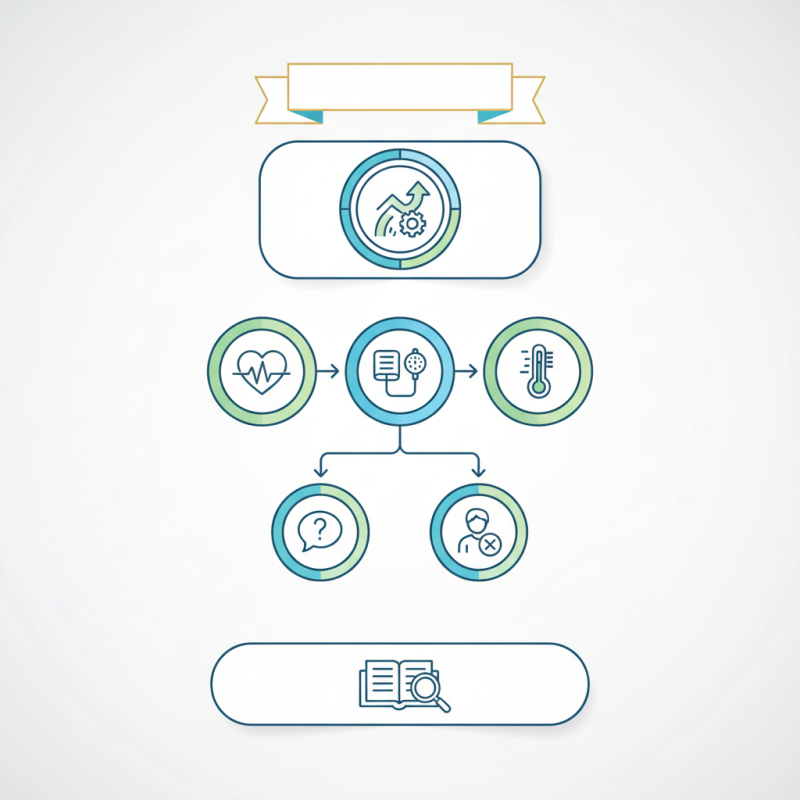
Maintaining optimal health requires reliable medical accessories for daily health monitoring. Various devices can help track vital signs.
Blood pressure monitors, heart rate monitors, and digital thermometers form the basic kit. Each tool provides crucial insights into your health, alerting you to changes.
Tip: Consider keeping a log of daily readings. This helps visualize trends over time and conveys important information to healthcare providers. Consistency is key; establish a routine to review your health stats.
Pulse oximeters are portable and easy to use. They measure blood oxygen levels and can be used at home. Learning to interpret these readings can encourage proactive health management. However, tech can fail; be mindful of how you feel outside of numbers.
Tip: Don’t rely on devices alone. Never overlook symptoms, even if readings seem normal. Being an informed patient is essential, but be aware of limitations in technology. Tracking health is a partnership between you and your accessories.
Key Tools for Managing Chronic Conditions Effectively
Managing chronic conditions can be challenging. Key tools can make a difference in daily life. According to the National Institute of Health, 60% of adults in the U.S. live with at least one chronic condition. This statistic highlights the need for effective management strategies.
Blood pressure monitors, for example, help track hypertension. Regular readings can prevent complications. A study published in the Journal of Clinical Hypertension found that patients who monitor their blood pressure at home are more engaged in their care. They tend to have better outcomes, yet many overlook this tool.
Another essential item is a quality glucose meter for those with diabetes. Accurate monitoring can prevent severe health issues. Data from the American Diabetes Association shows that nearly 34.2 million Americans have diabetes. Many struggle with understanding their results. Education around these tools is crucial for effective self-management. Despite advancements, there’s still a gap in patient knowledge regarding proper use and interpretation.
Must-Have First Aid Supplies for Home and Travel
When it comes to health and safety, having first aid supplies at home and during travel is essential. A recent study indicates that nearly 30% of households do not have basic first aid items available. This statistic highlights the need for preparation. Essential items include adhesive bandages, antiseptic wipes, and gauze pads. A well-stocked kit can make a huge difference in emergencies.
For travel, compact first aid kits are crucial. They should include pain relievers, motion sickness tablets, and a thermometer. According to medical experts, addressing minor injuries quickly can prevent complications. Ensure your kit is easy to access and regularly checked for expired items. Remember, having the right supplies can be life-saving.
Tips for maintaining your first aid supplies:
- Always check your kit before a trip.
- Restock items after use.
- Consider adding a guide on basic first aid techniques.
Many people overestimate their ability to respond in emergencies, so
knowledge is key. Staying prepared can reduce panic and increase confidence in tough situations.
Innovative Health Gadgets for Fitness and Wellness Tracking
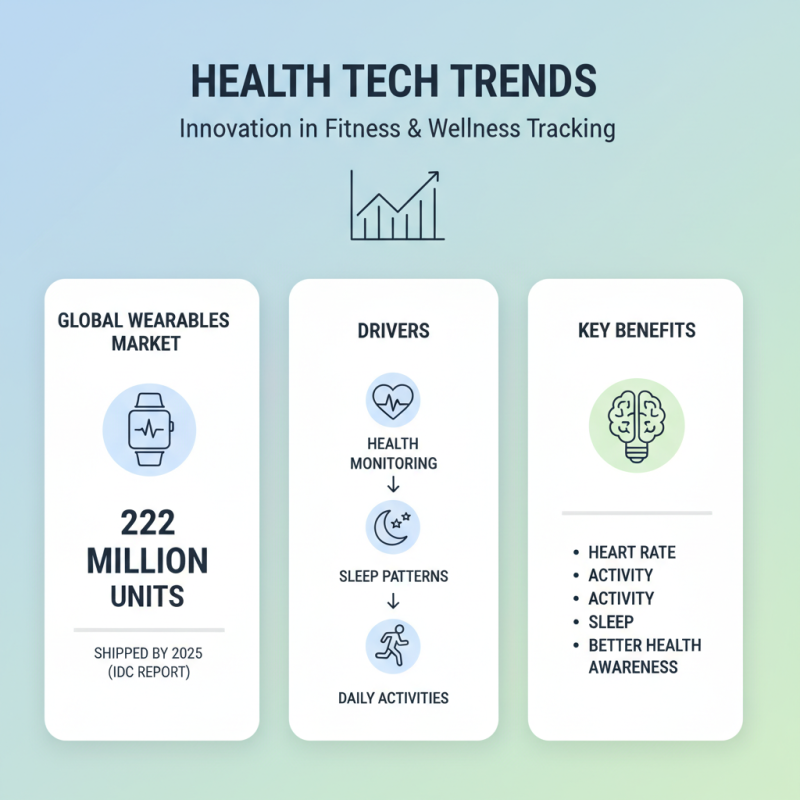
In today's health landscape, innovative gadgets are essential for fitness and wellness tracking. Wearable devices have surged in popularity. A report from the International Data Corporation noted that the global wearables market will reach 222 million units shipped by 2025, driven by demand for health monitoring. These smart devices help track heart rates, sleep patterns, and daily activities, promoting better health awareness.
Data reveals that 69% of users report improved motivation towards fitness goals. Many gadgets now offer features like blood oxygen monitoring and stress tracking. However, despite the benefits, a significant portion of users struggles with device accuracy at times. Some wearables may give inconsistent results, making users doubt their effectiveness.
Mindfulness apps are also gaining traction. They assist users in tracking their mental well-being. Importantly, not every app resonates with everyone. The 2023 Global Wellness Trends report indicated that 40% of wellness app users abandoned their apps within the first month. This indicates a need for continuous updates and personalized features. Balancing technology and personal health remains a challenge, but the potential benefits cannot be ignored.
Convenient Accessories for Senior Health Management and Safety
Managing senior health requires practical accessories that enhance safety and comfort. According to a report by the World Health Organization, over 50% of elderly individuals experience at least one chronic condition. This highlights the importance of reliable medical tools. Home monitoring devices can help track vital signs. Regular check-ups are vital, yet many seniors struggle to visit clinics frequently.
Safety accessories play a crucial role in daily life. Grab bars in bathrooms can prevent accidents; slip-resistant mats reduce the risk of falls. Research shows that fall-related injuries account for 20% of hospital admissions among older adults. Simple changes in the home can significantly enhance safety.
Daily medication reminders can also improve adherence to treatment plans. Studies reveal that nearly 50% of seniors do not take medications as prescribed. This can lead to severe health complications. A user-friendly pill organizer or a simple alert system can encourage consistency. Understanding these statistics highlights the need for thoughtful solutions in senior health management.
Top Medical Accessories You Need for Optimal Health and Care
| Accessory |
Purpose |
Benefit |
Usage |
| Blood Pressure Monitor |
Track blood pressure levels |
Early detection of hypertension |
Daily measurement, record trends |
| Glucose Meter |
Monitor blood sugar levels |
Manage diabetes effectively |
Multiple times a day as needed |
| Hearing Aids |
Assist with hearing |
Improved communication |
Daily use, charged or replaced batteries |
| Mobility Walker |
Aid in walking |
Increased stability and independence |
Use at home or outdoors |
| Medication Organizer |
Manage medication schedules |
Prevention of missed doses |
Daily organization, refill weekly |
| Emergency Alert System |
Call for help in emergencies |
Quick response in critical situations |
Wear at all times, test regularly |