Top 10 Medical Supplies and Equipment Buyers Need to Know?
In the ever-evolving healthcare landscape, understanding medical supplies and equipment is crucial for professionals. These items are essential for patient care, diagnostics, and day-to-day operations within medical facilities. Knowledge of top medical supplies not only aids in making informed purchasing decisions but also ensures compliance with health regulations and standards.
Purchasing medical supplies and equipment requires careful consideration. Factors such as quality, cost, and supplier reliability play a significant role. Many buyers struggle with variations in product offerings. Inexperience may lead to mismatched equipment that doesn’t meet specific healthcare needs.
It is vital to recognize the importance of selecting the right items. Hospital administrators and medical staff must remain vigilant. Investing time in research and reviews helps avoid common pitfalls. Learning from past mistakes can guide future purchases. The right medical supplies and equipment can significantly enhance patient outcomes and operational efficiency.

Essential Criteria for Selecting Medical Supplies and Equipment
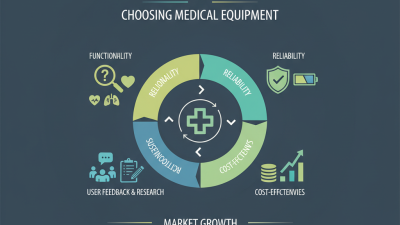
Selecting the right medical supplies and equipment is crucial for healthcare providers. In a recent report by the World Health Organization, it was noted that improper selection can lead to increased costs and inefficiencies in patient care. Understanding the essential criteria for selection can empower buyers to make informed decisions.
One key factor is quality. High-quality products ensure reliability and effectiveness in medical procedures. A survey by the International Journal of Medical Equipment indicated that nearly 40% of healthcare facilities faced issues due to subpar equipment. Another critical aspect is compliance with safety standards. Equipment should meet rigorous regulations to minimize risks for both patients and practitioners.
Cost-effectiveness cannot be overlooked. Buyers often weigh initial costs against long-term benefits. While cheaper options may save money upfront, they could lead to higher expenses over time due to replacements or repairs. Sustainability is emerging as a vital criterion as well. A report from Healthcare Purchasing News emphasizes the need for eco-friendly products that minimize environmental impact. Each of these factors poses challenges, making it essential for buyers to reflect on their choices and learn from past experiences.
Overview of Key Medical Supplies for Healthcare Settings
In healthcare settings, understanding key medical supplies is crucial. According to a 2022 report by MarketsandMarkets, the global medical supplies market is expected to reach over $200 billion by 2027. This growth underscores the importance of reliable and effective medical equipment.
Personal protective equipment (PPE) remains essential. In 2020, a surge in demand revealed vulnerabilities in supply chains. Hospitals faced shortages of masks and gowns. Such experiences highlight the need for adequate stockpiling and smart purchasing strategies.
Another vital category is diagnostic equipment. Devices like ultrasound machines and ECG monitors help in patient assessment. A 2023 study by the World Health Organization noted that lack of access to these tools can delay critical care. This discrepancy in availability often leads to negative patient outcomes. Investing in essential diagnostic tools should be a priority for all healthcare providers.
Top Technology Trends in Medical Equipment Buying Decisions
In the rapidly evolving landscape of medical supplies and equipment, understanding current technology trends is crucial for buyers. The shift towards digital health solutions is noticeable. Many healthcare facilities now seek equipment that integrates seamlessly with electronic health records (EHRs). This allows for better data management and enhances patient care. Additionally, telemedicine platforms are becoming essential. They enable remote monitoring, leading to more efficient treatment protocols.
Another trend is the growing focus on user-friendly designs. Medical staff often face overwhelming workloads. Equipment that is intuitive reduces training time and errors. Buyers are prioritizing versatility. Modular systems that adapt to various settings and specialties are in high demand. This adaptability ensures that hospitals and clinics can meet diverse patient needs without frequent additional investments.
Sustainability is also gaining traction. Eco-friendly materials and energy-efficient devices are becoming deciding factors in procurement. However, balancing cost and sustainability is challenging. Buyers must often compromise to meet budget constraints. This complexity raises questions about long-term investments versus short-term savings. In this environment, exploring diverse options while aligning with organizational goals is key. Trends suggest a future where technology and sustainability can coexist if addressed thoughtfully.
Budgeting for Medical Supplies: Cost-Effective Strategies
Budgeting for medical supplies can be challenging yet essential for effective healthcare management. Start by assessing your needs carefully. Different departments may require varying supplies, so list items based on priority. For instance, surgical units often need more specialized tools compared to general wards.
Conducting thorough market research is key. Look for alternative suppliers that offer competitive pricing. It’s wise to compare costs between different vendors. Sometimes, bulk purchasing can yield significant savings. Keep an eye on sales or promotions; they can help reduce expenses considerably. Also, consider reaching out to local groups for cooperative purchasing options, allowing shared resources and lowered prices.
Budgeting may require flexibility and periodic reassessment. Unexpected expenses can arise. Monitor your usage and adjust orders based on actual needs rather than estimated projections. This proactive approach prevents overstocking and reduces waste. Regularly reviewing your inventory ensures that you make informed decisions, keeping expenses in check. While it can be difficult to stay within a budget, developing a strategic plan is vital for sustainability.
Understanding Regulations and Compliance in Medical Equipment Procurement
Navigating regulations in medical equipment procurement is complex. Buyers must be aware of various standards that ensure patient safety and compliance. The FDA oversees medical device regulation in the United States. According to their 2022 report, nearly 3,000 new medical devices were introduced. Each device must meet strict testing and approval processes.
Additionally, compliance with international standards, like ISO 13485, is essential for manufacturers. This standard outlines requirements for quality management systems in medical device production. Failure to comply can lead to costly penalties and recalls. A report from the World Health Organization indicates that up to 10% of medical devices may be unsafe due to non-compliance.
Understanding the process can reveal gaps in procurement strategies. Many buyers underestimate the time needed for regulatory approval. Incomplete documentation is a common issue that can delay schedules. Buyers must prioritize ongoing education in regulatory updates to mitigate risks and ensure compliance. Continuous training can help bridge knowledge gaps. As regulations evolve, so must procurement processes.
Top 10 Medical Supplies and Equipment Buyers Need to Know
| Item |
Category |
Regulatory Standards |
Compliance Requirements |
Important Considerations |
| Syringes |
Consumables |
ISO 13485 |
CE Marking |
Sterility Assurance |
| Blood Pressure Monitors |
Diagnostic Equipment |
IEC 60601 |
Calibration Certification |
User Training |
| Wheelchairs |
Mobility Aids |
ISO 7176 |
Safety Standards |
Material Quality |
| Infusion Pumps |
Therapeutic Devices |
FDA 21 CFR |
Quality Management System |
Software Validation |
| Scanners (Ultrasound) |
Imaging Equipment |
FDA Class II |
Clinical Evaluation |
Radiation Safety |
| Diagnostic Test Kits |
Laboratory Supplies |
ISO 15189 |
Performance Evaluation |
Expiration Dates |
| Personal Protective Equipment (PPE) |
Protective Gear |
EN 149 |
Training for Use |
Fit Testing |
| CPAP Machines |
Respiratory Devices |
FDA Class II |
Clinical Testing |
Ongoing Maintenance |
| Surgical Instruments |
Medical Tools |
ISO 6474 |
Cleanliness Standards |
Durability Testing |