Choosing the right surgical equipment is crucial for successful medical outcomes. According to a report by MarketsandMarkets, the global surgical equipment market is projected to reach $20 billion by 2025. This growth reflects the increasing demand for advanced surgical tools in hospitals and clinics. Expert Dr. Andrew Fields, a renowned surgeon, emphasizes the importance of quality, stating, "The right surgical equipment can significantly impact both the procedure and recovery."
When selecting surgical equipment, factors like functionality, reliability, and compatibility are essential. Surgeons must consider the specific needs of the procedure and the patient. In recent years, the trend towards minimally invasive surgeries has prompted a demand for innovative equipment. Reported complications often arise from using outdated or inappropriate tools. Therefore, understanding the latest advancements is vital.
Additionally, recognizing the limitations of each piece of surgical equipment can lead to better decision-making. Surgeons should pursue continuous education to stay informed. This effort ensures that they are not only using the best available tools but also adapting to the evolving landscape of surgical practices. Selecting surgical equipment is not just about preferences; it is about ensuring the best care for patients.
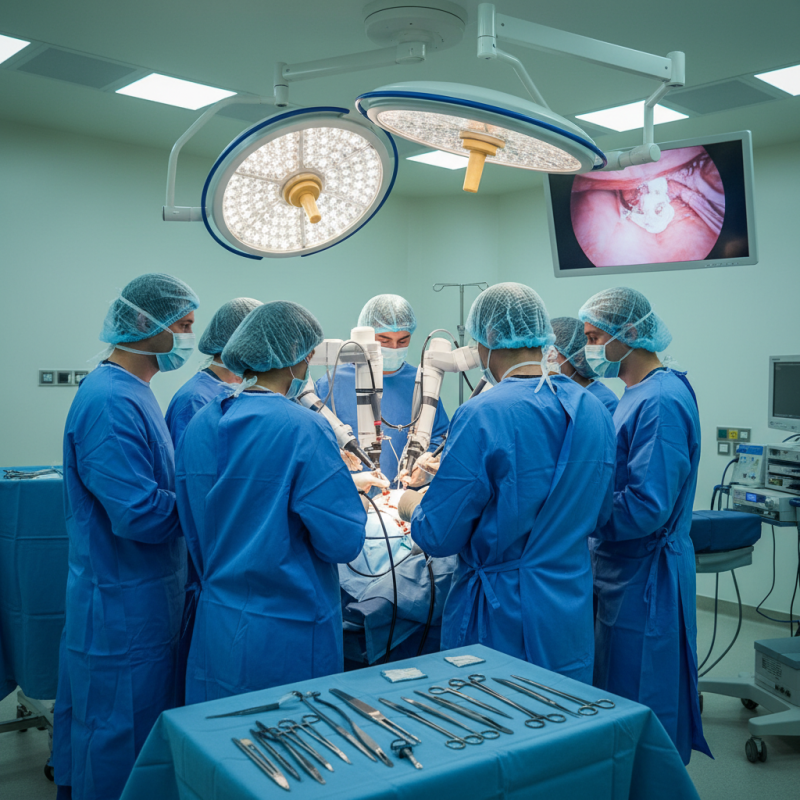
Surgical equipment comes in various types, each designed for specific procedures. Understanding these options is crucial for making informed decisions. Common categories include surgical instruments, imaging devices, and sterilization tools. Surgical instruments include scalpels, scissors, and clamps. Each plays a vital role in operations, ensuring precision and safety.
Imaging equipment, such as ultrasound and MRI machines, helps visualize internal structures. These devices guide surgeons during complex procedures. Sterilization tools, like autoclaves, ensure a sterile environment, minimizing infection risks. Choosing the right equipment requires careful consideration of procedure types and patient needs.
Reflecting on available options can be overwhelming. Not all equipment fits every situation. For example, a scalpel may be perfect for one procedure but inadequate for another. Evaluating the specific requirements of surgeries is essential. Collaborating with experienced professionals can enhance your understanding of what each type of equipment offers.
| Type of Surgical Equipment | Purpose | Key Features | Considerations |
|---|---|---|---|
| Scalpel | Incision and excision | Sharpness, Handle type, Blade size | Material, Sterilization needs |
| Hemostatic Forceps | Clamping blood vessels | Locking mechanism, Length, Tip design | Durability, Ease of use |
| Scissors | Cutting tissues | Blade types, Length, Handle design | Comfort, Precision |
| Electrocautery Device | Cutting and coagulating tissue | Wattage, Types of tips, Safety features | Training required, Power source |
| Suction Pump | Removing fluids from surgical site | Flow rate, Portability, Noise level | Maintenance, Compatibility with other devices |
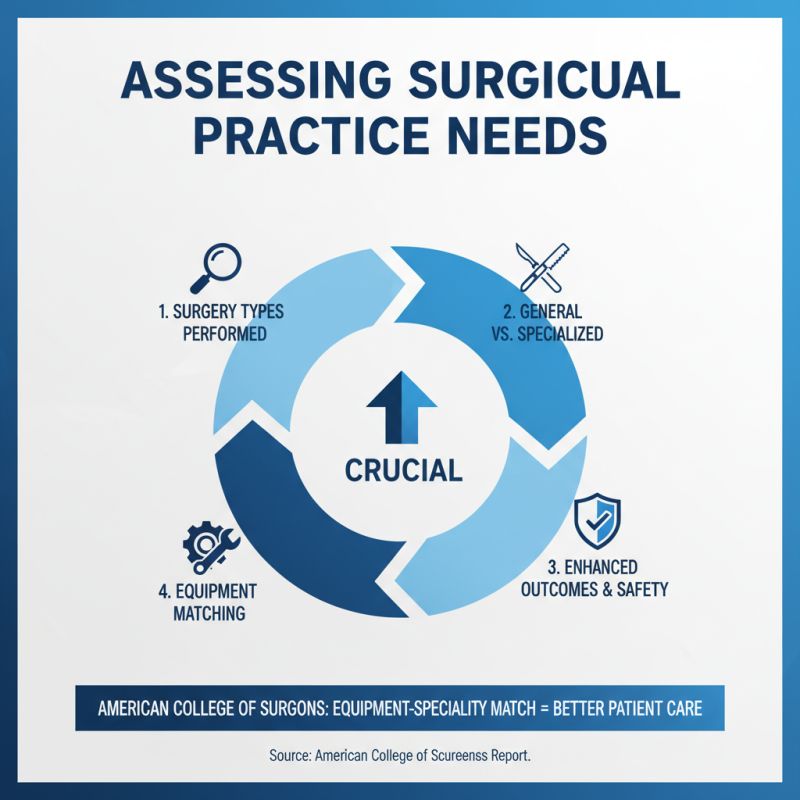
Choosing the right surgical equipment is crucial for any practice. Assessing your specific needs is the first step. Consider the type of surgeries performed. For example, a general surgery practice may require different tools than a specialized orthopedic clinic. According to a report by the American College of Surgeons, effectively matching equipment to surgical specialties enhances outcomes and safety.
Evaluate the volume of procedures. Higher patient turnover may necessitate more advanced equipment. A study in the Journal of Surgical Research highlights that practices with adequate resources report lower complication rates. Don't overlook user training. Even the best equipment can fail if healthcare professionals lack experience.
Tips: Always review equipment warranties and service agreements. It sounds simple, but this can save costs in the long run. Keep abreast of technological advancements. This not only improves efficiency but may also influence patient satisfaction. Lastly, consult your surgical team. Their expertise and insights can guide you to make informed decisions about your essential tools.
When choosing surgical tools, quality and reliability are paramount.
Surgeons require instruments that can withstand rigorous use while maintaining precision.
Evaluating the construction materials is a crucial first step.
Stainless steel and titanium often provide strength and longevity.
However, some tools may not live up to expectations despite appearing durable.
Inspecting the manufacturing process also offers insights into reliability.
Tools made in facilities adhering to strict quality standards tend to perform better.
Yet, not all manufacturers disclose their process, leaving some uncertainty.
Consistency in the production line can impact the performance of surgical instruments over time.
User feedback can play an important role too.
Gathering opinions from healthcare professionals who have experience with specific equipment is beneficial.
Their insights may reveal issues not evident from catalogs or brochures.
It’s essential to weigh these testimonials against marketing messages, which can sometimes be misleading.
In the end, the goal is to find surgical tools that provide not just quality but also the assurance of dependability in critical situations.
When selecting surgical equipment, budget constraints play a crucial role. According to a report by the Healthcare Financial Management Association, healthcare facilities often operate on tight budgets. Cost-effectiveness becomes essential in ensuring quality care without overspending. Surgical tools vary widely in price, often reflecting their technology and manufacturing precision. For instance, high-quality instruments may cost more upfront but can reduce long-term maintenance expenses.
A significant factor is evaluating the total cost of ownership. It includes not only the purchase price but also ongoing maintenance and repair costs. A cheaper instrument may seem attractive initially but could lead to higher costs due to frequent repairs. The average lifespan of surgical instruments ranges from 10 to 15 years, emphasizing the importance of durability in your selection.
Tip: Always compare supplier warranties and service agreements. Some offer extended warranty periods while others may provide better customer support. It’s beneficial to gather insights from industry peers. Peer-reviewed studies indicate that surgeons often prefer instruments that deliver reliability and efficiency over time. This feedback can guide your decisions effectively. Remember to consider both functionality and budget when making your choices.
When researching and comparing different surgical equipment suppliers, several factors come into play. Quality and reliability are paramount. According to a report by the Global Market Insights, the medical devices market is expected to reach $600 billion by 2024. This growth showcases the importance of investing in durable surgical instruments. It’s crucial to review specifications and differences among suppliers.
Another critical aspect is vendor reputation. A study from the Healthcare Purchasing News indicates that 70% of healthcare professionals rely on reviews before making purchasing decisions. This underlines the importance of collecting feedback on supplier service and reliability. Factors such as inventory management and after-sales support can significantly influence surgical outcomes.
It's also essential to consider compliance with industry standards. A report by the FDA emphasizes that inappropriate instruments can lead to increased complications during procedures. Thus, ensuring that potential suppliers meet safety and quality certifications is key. Reflection on feedback, vendor transparency, and equipment quality can guide informed decisions. The right supplier makes a tangible difference in surgical success.
© 2025 Henleys Medical Supplies | Website Cookies & Privacy Policy | Company Privacy Notice | Terms of Sale | Cancellation & Returns | Company Reg No. 452882 | Vat No. GB229 2540 68 | Web design by Cariad Marketing