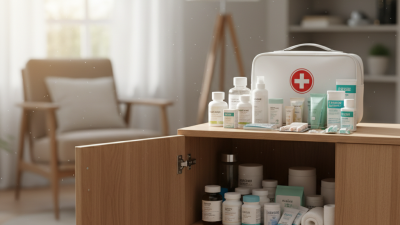
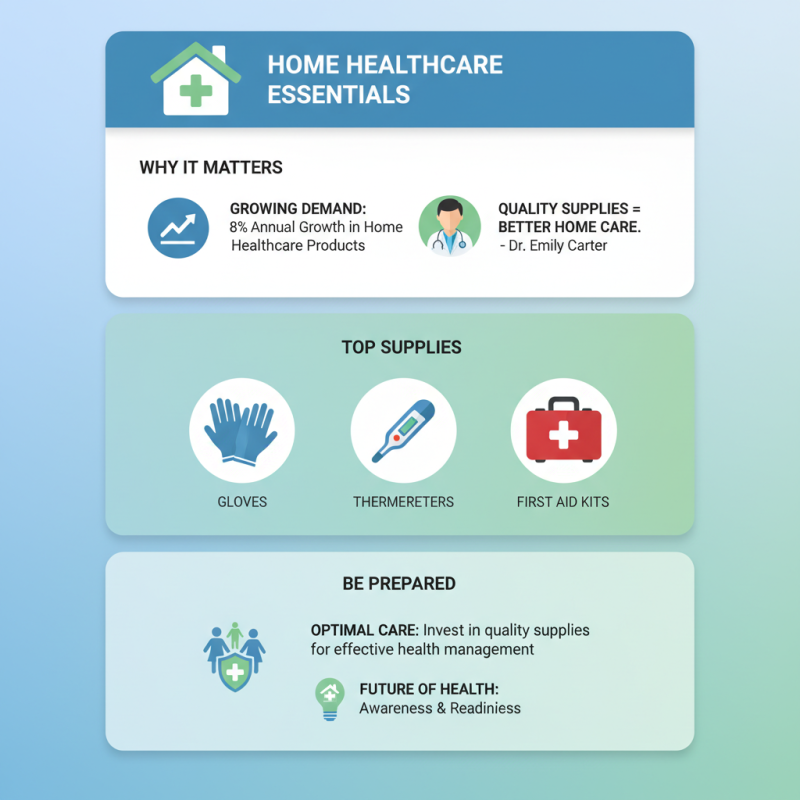
In today's healthcare landscape, having the right medical supplies at home is crucial. Home healthcare empowers individuals to manage their health effectively. According to a recent report by the Global Medical Supplies Market Analysis, the demand for home healthcare products is projected to grow by 8% annually.
Dr. Emily Carter, a renowned expert in medical supplies, emphasizes the importance of being prepared. She states, "Quality medical supplies can make all the difference in home care." This sentiment is echoed in the increasing trend of patients opting for in-home care. Essential items such as gloves, thermometers, and first aid kits are now staples in many households.
Yet, many still overlook the significance of these supplies. Inadequate preparation can lead to suboptimal care. Families must reflect on their needs and ensure they have the right tools at their disposal. Investing in quality medical supplies is essential for effective home healthcare. The future of health management increasingly relies on awareness and readiness at home.
Managing health at home requires essential medical supplies. These tools help monitor and maintain health effectively. Having the right supplies can make a significant difference in daily life.
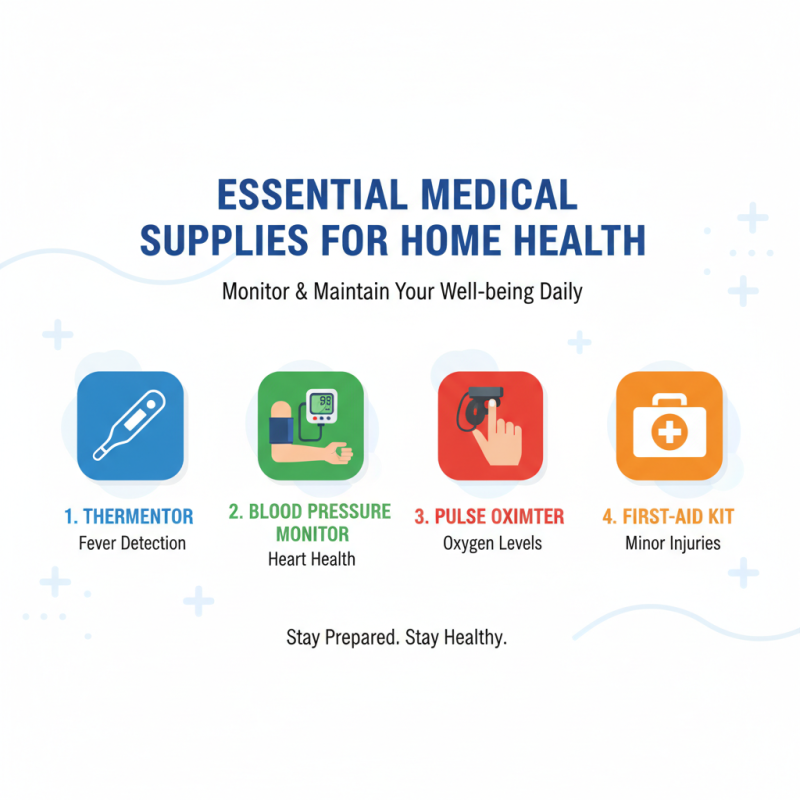
Essential items include a thermometer, which is crucial for tracking temperature changes. Blood pressure monitors help manage heart health. Glucose meters are vital for those with diabetes. A first aid kit is a must-have for any home.
**Tip:** Regularly check the expiration dates of medical supplies. It’s easy to forget about old bandages or medications.
Another key consideration is ensuring comfortable mobility at home. A sturdy cane or walker can help prevent falls. Additionally, grab bars in the bathroom enhance safety.
**Tip:** Always assess your home environment. Look for potential hazards that could cause accidents. Adjustments can make a big difference in day-to-day activities.
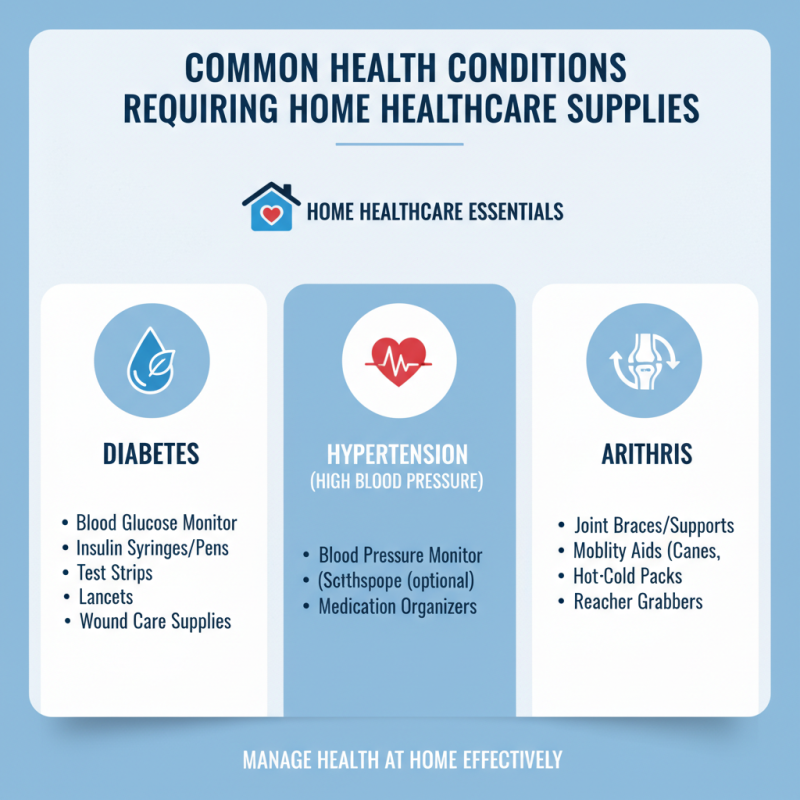
Home healthcare is essential for those managing common health conditions. Many people require supplies to support their recovery or daily health needs. Conditions like diabetes, hypertension, and arthritis can be managed more effectively at home with the right tools.
For diabetes, glucose monitors are vital. They help track blood sugar levels and guide dietary choices. Insulin pens or syringes ensure proper medication delivery. Maintaining a consistent supply of test strips is crucial. An organized storage area is helpful for quick access.
Hypertension requires regular blood pressure monitoring. A digital monitor can be very user-friendly. It's important to record readings accurately. Apply a method to analyze trends over time. Also, maintain a healthy diet. Consistent exercise can drastically improve outcomes.
Arthritis sufferers benefit from adaptive tools. Grip aids can simplify eating and dressing. Consider investing in a shower seat or raised toilet seat. These small adjustments enhance comfort. Reflect on these aspects regularly for better living conditions.
Vital sign monitoring at home is crucial for effective healthcare management. According to a recent report by the World Health Organization, approximately 80% of chronic diseases require continuous monitoring. This statistic highlights the importance of reliable equipment for assessing health status from home.
Key equipment includes digital thermometers, blood pressure monitors, and pulse oximeters. A study from the American Heart Association states that controlling high blood pressure at home can reduce heart attack risks by 30%. Pulse oximeters are essential for monitoring oxygen saturation. They are particularly important for patients with respiratory conditions. Regular updates on vital signs can enhance treatment efficacy.
However, many families face challenges with home monitoring. Devices may be misused or improperly maintained. Inaccurate readings can lead to unnecessary panic or complacency. The ease of use of these tools should not compromise the need for proper training. It’s important to educate users on their limitations and proper usage. Monitoring home health is a partnership between technology and user knowledge.
In any home, a well-stocked first aid kit is essential. It should contain items for handling minor injuries and emergencies. Band-aids, gauze, and antiseptic wipes are must-haves. These items help manage cuts and scrapes quickly. Having adhesive tape and scissors can assist in securing bandages properly.
Don't forget pain relievers. Ibuprofen and acetaminophen can provide relief in emergencies. Additionally, a digital thermometer is essential for monitoring fevers. A pair of gloves can protect you while treating others. You might also want to add tweezers for splinter removal.
Yet, many overlook the importance of checking expiration dates. Items can lose effectiveness over time. It’s easy to forget supplies can become outdated. Regularly reviewing your kit is necessary. Also, consider your family's specific needs. Children, elderly members, and pets may require different supplies. Tailoring your kit to your household can make a difference in emergencies.
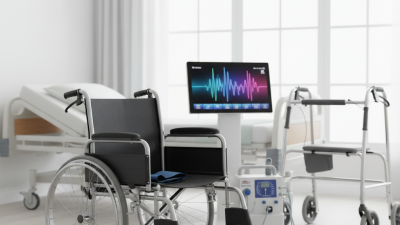
Rehabilitation aids play a crucial role in post-surgery and injury recovery. They foster independence while ensuring safety. Essential tools include walkers, crutches, and knee scooters. Each aid serves a unique purpose. For instance, walkers provide stability, while crutches help distribute weight from the injured leg.
When using these aids, it's vital to assess your environment. Ensure that paths are clear of obstacles. A clutter-free space promotes safe movement. Additionally, try different aids to see which feels most comfortable for you. Remember, what works for one person might not work for another. Don't be afraid to ask for help in this exploration process.
Balance is key during recovery. Striking a harmony between rest and movement is necessary. Overdoing it can lead to setbacks. On the other hand, remaining inactive can hinder progress. Take small steps each day. Celebrate minor victories, whether it's moving around the house or tackling short distances outside. Adjusting to rehabilitation isn’t always smooth; allow yourself time to adapt.
| Item | Description | Use Case | Recommended For |
|---|---|---|---|
| Walking Aids | Devices such as canes or walkers that assist with mobility. | Post-surgery mobility enhancement | Patients recovering from surgery or injuries affecting mobility |
| Compression Garments | Specialized clothing designed to apply pressure to specific areas of the body. | Help reduce swelling and improve blood flow | Individuals with varicose veins or post-operative recovery |
| Rehabilitation Exercise Equipment | Tools such as resistance bands and hand weights | Strengthening and restoring function | Patients recovering from injuries |
| Shower Chairs | A chair used to provide a safe seating option while showering. | Prevent falls during bathing | Individuals with limited mobility |
| Bathing Accessories | Tools like grab bars and non-slip mats | Enhancing bathroom safety | Elderly and disabled individuals |
© 2025 Henleys Medical Supplies | Website Cookies & Privacy Policy | Company Privacy Notice | Terms of Sale | Cancellation & Returns | Company Reg No. 452882 | Vat No. GB229 2540 68 | Web design by Cariad Marketing