Why Are Medical Accessories Essential for Healthcare Procurement?
In today's healthcare landscape, medical accessories play a vital role in procurement strategies. The global medical accessories market is projected to reach $25 billion by 2025, highlighting their increasing importance. These accessories enhance efficiency, improve patient outcomes, and streamline healthcare operations. For instance, proper selection of surgical instruments and diagnostic tools can reduce procedure times and minimize errors.
However, the growing complexity of medical accessories also poses challenges. Healthcare providers must navigate various regulatory requirements and diverse supplier networks. A recent study indicated that about 67% of procurement professionals struggle with sourcing reliable medical accessories. This affects not just costs but also patient safety and satisfaction.
It's crucial to emphasize the need for rigorous evaluation criteria when selecting these items. Not all accessories meet the same standards; some may compromise quality due to cost-cutting measures. Consequently, understanding the nuances of medical accessories can significantly impact healthcare delivery. As the market evolves, clinicians and procurement teams must prioritize both functionality and reliability in their choices.
Importance of Medical Accessories in Healthcare Systems
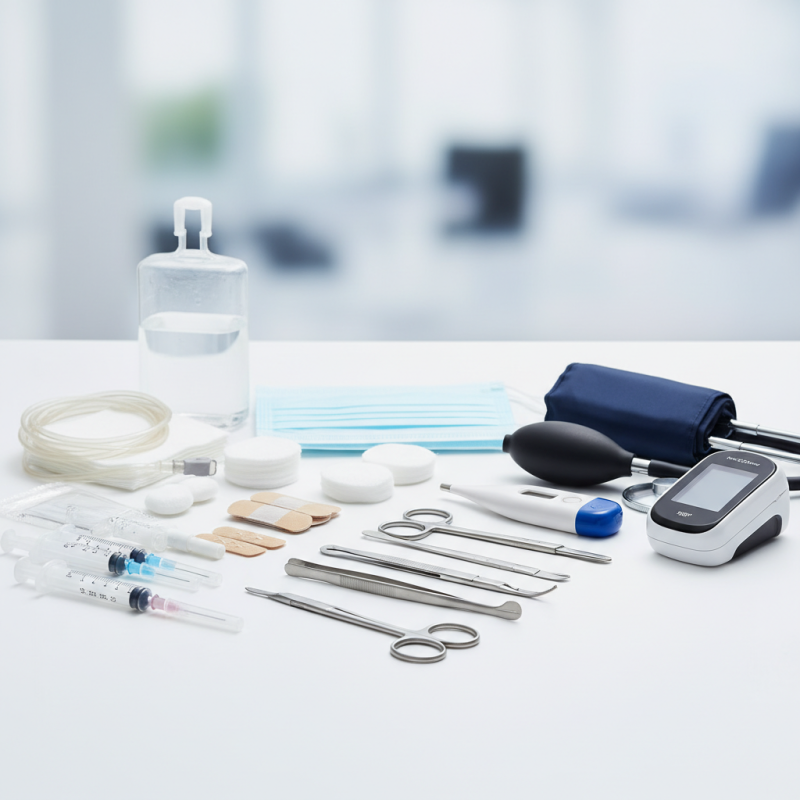
Medical accessories play a vital role in healthcare systems. They enhance patient care and improve operational efficiency. Hospitals rely on various tools, such as bandages, monitoring devices, and surgical equipment. These accessories ensure that healthcare professionals can perform their duties effectively. Without these essential items, the quality of care could diminish significantly.
Tips for procurement include assessing the specific needs of your facility. Understand the types of procedures routinely performed. This aids in selecting the right accessories for optimal patient outcomes. Regular inventory checks prevent shortages and ensure access in emergencies.
Investing in high-quality medical accessories is crucial. However, it’s essential to balance cost and quality. Sometimes, lower-priced options may not meet safety standards. This can lead to greater issues down the line. Be cautious and do thorough research before making purchases.
Why Are Medical Accessories Essential for Healthcare Procurement?
| Category |
Type |
Importance |
Example Products |
| Diagnostic Tools |
Blood Pressure Monitors |
Critical for monitoring patient health |
Sphygmomanometers |
| Surgical Instruments |
Scalpels |
Essential for performing surgeries |
Scalpel blades |
| Therapeutic Devices |
Infusion Pumps |
Key for medication delivery |
IV pumps |
| Personal Protective Equipment (PPE) |
Masks |
Crucial for infection control |
Surgical masks, N95 respirators |
| Monitoring Devices |
Pulse Oximeters |
Important for assessing oxygen levels |
Handheld oximeters |
Types of Medical Accessories Essential for Effective Healthcare Delivery
In healthcare delivery, various medical accessories play a crucial role. These tools enhance patient care and streamline processes in medical settings.
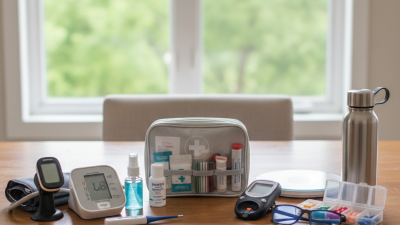
Essential accessories include stethoscopes, thermometers, and wound care supplies. Each item serves a unique function, assisting healthcare professionals in monitoring and treating patients effectively.
Medical accessories also include personal protective equipment (PPE). Masks and gloves are vital to prevent infections and protect both patients and staff. Their use has become even more important in recent times. However, over-reliance on protective gear can lead to complacency. Without proper hygiene and protocols, the risks can increase.
Additionally, diagnostic tools like blood glucose meters and pulse oximeters are indispensable. They provide quick insights into a patient’s health.
Nonetheless, improper usage or inadequate training can lead to inaccurate results. It's critical for healthcare professionals to stay updated on the latest practices to prevent errors. Each accessory, while essential, requires careful consideration in its application to ensure the best outcomes in patient care.
Impact of Medical Accessories on Patient Safety and Care Quality
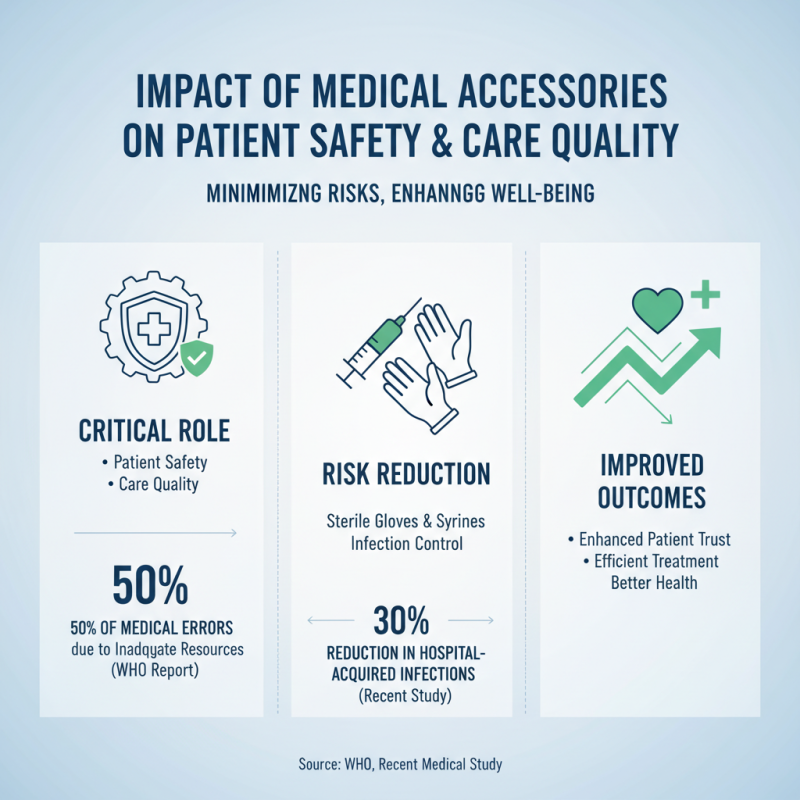
Medical accessories play a critical role in patient safety and the overall quality of care. According to a report from the World Health Organization, approximately 50% of medical errors occur due to inadequate resources and equipment. This suggests that the right medical accessories can significantly minimize risks. Basic items like sterile gloves and syringes contribute to infection control, which was linked to a 30% reduction in hospital-acquired infections in a recent study.
Moreover, advanced accessories like monitoring devices improve patient outcomes. Research shows that continuous monitoring can lead to early intervention, reducing the risk of complications by about 25%. However, not all healthcare facilities invest adequately in these essentials. Some institutions reported that budget constraints limited access to crucial accessories. This gap in procurement poses a serious question: how can healthcare systems ensure optimal safety when resources are lacking? Maintaining a reliable supply of medical accessories is not just beneficial; it is vital for ensuring patient well-being and enhancing the quality of care provided.
Challenges in Procurement of Medical Accessories in Healthcare
Procurement of medical accessories presents unique challenges in the healthcare sector. One major issue is the lack of standardization. With various suppliers offering different products, ensuring consistency in quality becomes difficult. This inconsistency can impact patient care. Healthcare facilities must invest time in vetting products to verify their effectiveness.
Additionally, budget constraints often limit procurement decisions. Hospitals and clinics frequently struggle to balance costs with the need for high-quality accessories. This leads to tough choices. Sometimes, cheaper options compromise safety or effectiveness. These decisions can have serious implications for patient outcomes.
Another challenge is keeping up with technological advancements. Medical technology rapidly evolves, making it hard for procurement teams to stay informed. Newer, more efficient products are constantly emerging. Failing to incorporate the latest technology may hinder operations. This dynamic environment requires continuous learning and adaptability from procurement professionals. Effective communication among stakeholders is crucial.
Challenges in Procurement of Medical Accessories
Future Trends in Medical Accessories and Their Implications for Procurement
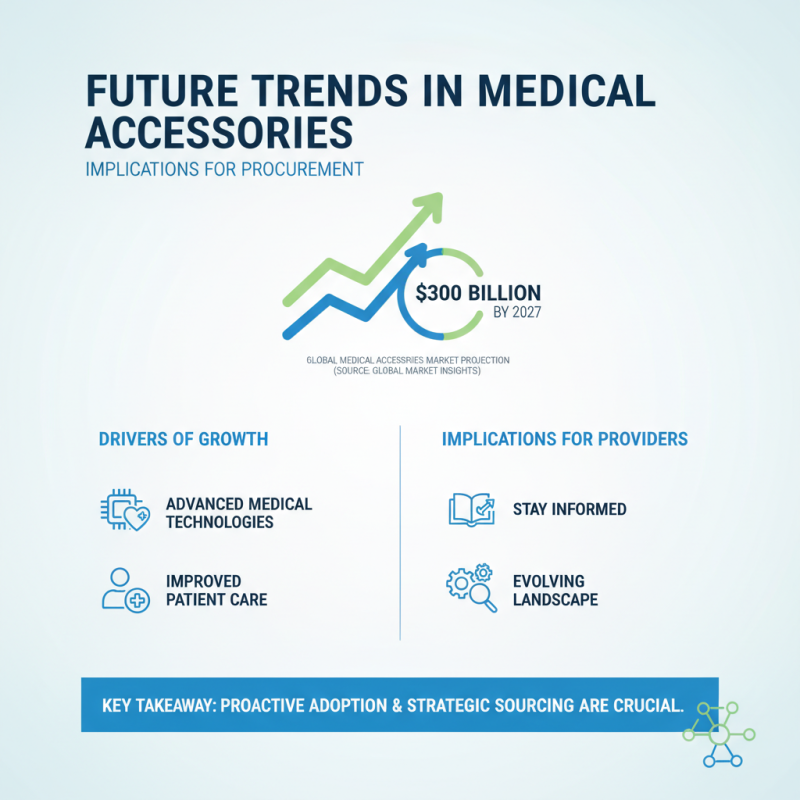
The future of medical accessories is shaping the landscape of healthcare procurement. According to a report by Global Market Insights, the medical accessories market is projected to surpass $300 billion by 2027. This growth is driven by rising demand for advanced medical technologies and improved patient care. Providers must stay informed about the evolving landscape of these accessories.
Innovations in telehealth and remote patient monitoring underscore the necessity for seamless procurement processes. With an expected 30% increase in telehealth adoption, healthcare systems must prioritize accessories that enhance virtual care. This creates challenges in ensuring that procurement strategies match technological advancements.
Another crucial trend is the increasing emphasis on sustainable and eco-friendly medical accessories. A study by MarketsandMarkets highlights a growing market demand for sustainable products, suggesting a shift towards environmentally responsible procurement. However, balancing cost, quality, and sustainability poses significant challenges. Stakeholders must navigate these complexities while aiming for efficient supply chain solutions.