Surgical instruments are essential tools in the medical field. They assist surgeons in performing various procedures with precision. Dr. Emily Harrington, a renowned expert in surgical technology, emphasizes, “The right instruments can make all the difference in a surgical outcome.” This statement highlights the significance of having a diverse range of surgical instruments.
There are many types of surgical instruments. Each serves a unique purpose. From scalpels to forceps, these tools have been developed over time to enhance surgical methods. The variety available can sometimes be overwhelming. It leads to a need for careful selection depending on the procedure's requirements.
Understanding surgical instruments is crucial for medical professionals. However, there are still areas for improvement. Surgeons and medical staff must be educated on the latest advancements. This knowledge gap can affect patient safety. Recognizing the importance of continuous learning in this field is vital for successful surgeries.
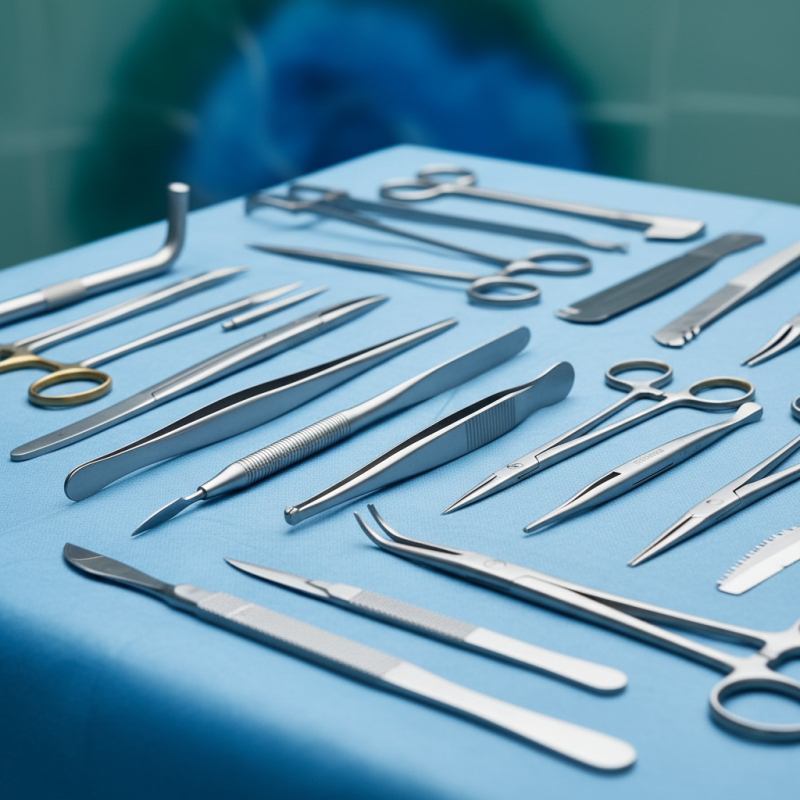
Surgical instruments are essential tools in the medical field. They can be categorized based on their functionality. Understanding these types helps improve surgical precision. Each instrument has a specific role to play during operations.
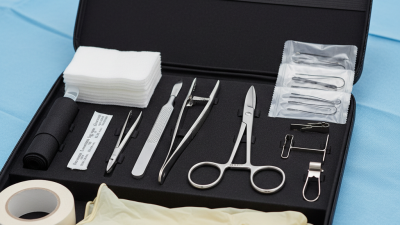
Cutting instruments are crucial for incisions. Scalpels and scissors are common types. They require careful handling, as improper use can lead to complications. Grasping instruments, like forceps, help hold tissues. Precision is key; otherwise, it could adversely affect the surgery.
Another category includes clamping instruments. These tools help control bleeding. Hemostatic clamps play a vital role, but they demand steady hands. Lastly, there are retractors, which hold back tissues for better visibility. A steady, focused approach ensures successful outcomes. Each instrument, while designed for specific tasks, can lead to challenges if mismanaged. Training and experience are necessary to master their use.
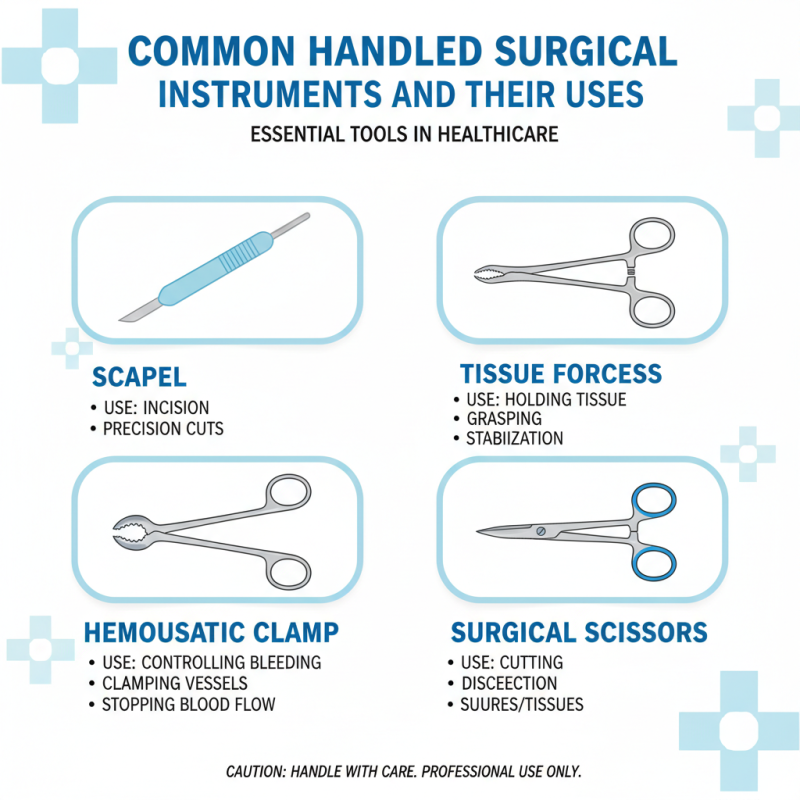
Surgical instruments are vital in healthcare. Handheld instruments play crucial roles in surgeries. Their design and function vary widely. For example, scalpels are essential for making incisions. They have a sharp blade that requires careful handling. A slip can cause injury.
Scissors are another common tool. They come in various shapes for specific tasks. Metzenbaum scissors are ideal for delicate tissue. Such precision is necessary. Forceps are often used too. They allow surgeons to grasp tissues securely. However, choosing the right forceps can be challenging. Some are not suitable for certain procedures.
Each instrument has its own usage nuances. Surgeons must be familiar with them all. Mistakes happen, especially under pressure. That's why training is critical. Proper handling can prevent complications. Each tool reflects years of development and thought. Still, they are not infallible. Every surgical procedure demands respect and caution.
Minimally invasive procedures are becoming more common in modern medicine. Specialized surgical instruments play a crucial role in these operations. They allow surgeons to perform complex tasks through small incisions. This method helps reduce recovery time and minimizes scarring. Common tools include laparoscopes, which provide visual access to internal organs. They are small, flexible tubes equipped with cameras and light sources.
Tips: Ensure sterilization of all instruments before use. Cleanliness is vital to prevent infections.
Another type of instrument is the endoscope. This tool allows for the examination of the digestive tract. Surgeons use it with great precision to diagnose conditions without making large cuts. Forceps and graspers are also essential. They help manipulate soft tissues during surgery. These instruments are designed to enhance control and accuracy.
Tips: Familiarize yourself with each tool's function. Understanding their specific uses can save time and reduce mistakes.
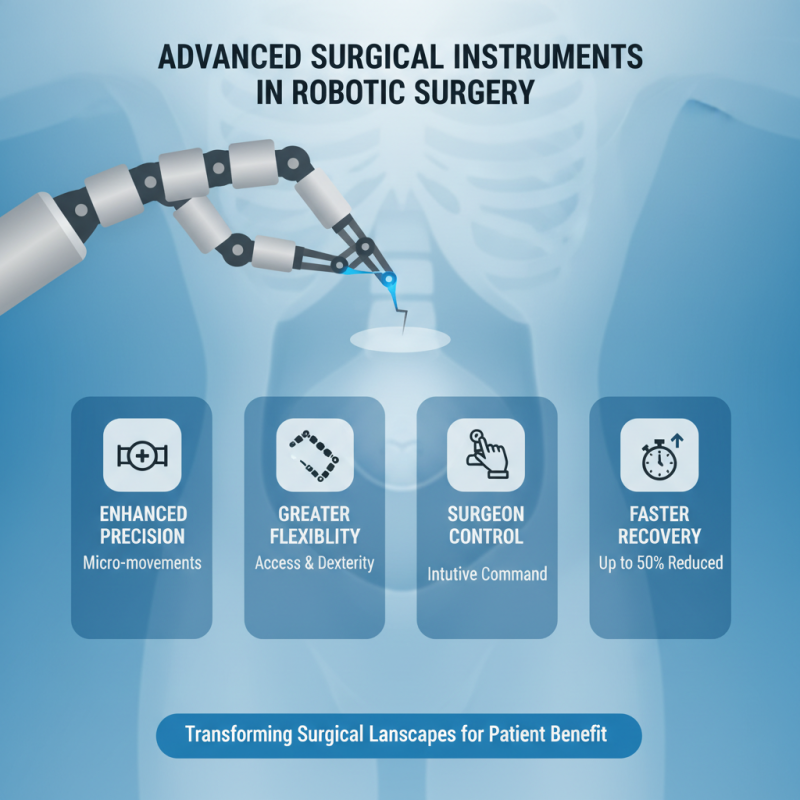
Robotic surgery has transformed the landscape of surgical instruments. Specialized tools are designed to enhance precision and flexibility. Surgeons can perform complex procedures with greater control. Reports indicate that robotic-assisted surgeries can reduce recovery time by up to 50%. This offers significant benefits for patients.
Advanced instruments include robotic arms and surgical robots. These devices allow for tiny incisions and minimize tissue damage. Surgeons can operate from a console, providing a 3D view. The accuracy of these robots can lead to better outcomes. However, there are challenges. Surgeons must master the technology. Training is essential for optimal performance.
Tips for success in robotic surgery include hands-on practice and regular simulations. Familiarize yourself with all instruments. Understanding the limitations is crucial. Not every procedure is suitable for robotic surgery. Consider the patient's specific needs and the systemic context. This awareness can enhance decision-making skills during surgery.
The maintenance and sterilization of surgical instruments are crucial in preventing infections. According to the CDC, up to 1 in 31 hospital patients has a healthcare-associated infection. Proper sterilization can significantly lower these risks. Instruments often undergo various cleaning processes before surgery. This includes manual cleaning, ultrasonic cleaning, and high-level disinfection. Each of these steps plays a vital role in ensuring instrument safety.
Tips: Always inspect instruments for visible debris. Remove blood and tissue immediately after use. This makes the cleaning process more effective. Regular audits can identify gaps in sterilization practices. Consider using traceability systems to ensure compliance. These methods help maintain a high standard of safety.
Inadequate sterilization can lead to severe consequences. Over 80,000 infections occur annually due to improperly sterilized equipment. Staff training is often overlooked. Continuous education is essential for all team members to understand sterilization protocols. Regular workshops can enhance skills. Integrating new technologies can also streamline processes. Reflecting on current practices might reveal areas for improvement. Always prioritize patient safety.
© 2025 Henleys Medical Supplies | Website Cookies & Privacy Policy | Company Privacy Notice | Terms of Sale | Cancellation & Returns | Company Reg No. 452882 | Vat No. GB229 2540 68 | Web design by Cariad Marketing