What is Dental Floss and How to Choose the Best Option?
Dental Floss plays a crucial role in maintaining oral health. It is not just an accessory; it is an essential tool for effective teeth cleaning. Many people overlook its importance in their daily routines. They might brush their teeth diligently but neglect this simple step.
Choosing the right Dental Floss can be overwhelming. With various options available, it's easy to feel lost. Some might prefer waxed floss for easier gliding. Others may choose unwaxed for a stronger clean. The right choice often depends on personal preferences and specific dental needs.
Understanding the characteristics of Dental Floss helps in making an informed decision. Some brands advertise advanced features, but efficacy varies. It's important to assess what works best for you. Regular use is key, yet many struggle to incorporate this habit. Reflecting on your flossing routine may reveal gaps in consistency. Ultimately, finding the best Dental Floss ensures a healthier smile and better oral hygiene.
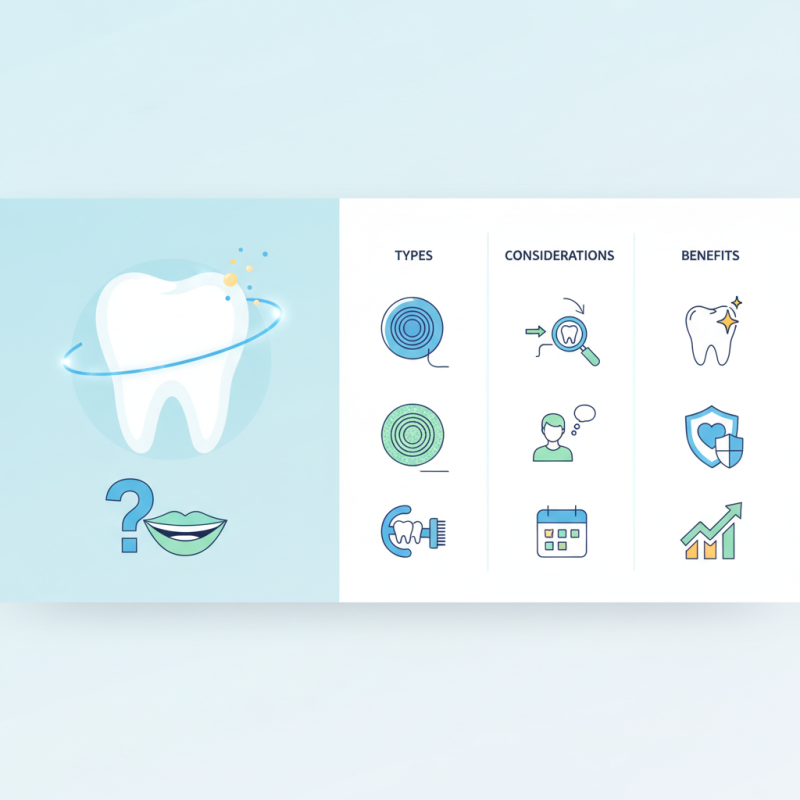
What is Dental Floss?
Dental floss is a thin string designed to clean between your teeth. It helps remove plaque and food particles that a toothbrush can't reach. This tool is vital for oral hygiene, as it prevents cavities and gum disease. Regular use promotes healthier gums and fresher breath. Many people overlook this aspect of dental care.
Choosing the right dental floss can be tricky. Options include waxed, unwaxed, flavored, and tape varieties. Waxed floss slides easily between teeth, while unwaxed gives a better grip. Some individuals prefer flavored types for a fresher experience. It’s important to find what feels comfortable. Many users might feel overwhelmed by the choices available.
Not everyone enjoys flossing daily. Some find it time-consuming or challenging to maneuver. It's common to experience bleeding gums initially, which can discourage regular use. Being mindful of these challenges can help in making a habit of it. Consider trying different types of floss to determine the best fit for your needs. Establishing a consistent routine can greatly impact your oral health over time.
Types of Dental Floss Available on the Market
When it comes to dental hygiene, choosing the right dental floss is essential. Various types of dental floss are available on the market, each designed for different needs. Waxed dental floss is popular. It slides easily between teeth, even with tight spaces. Unwaxed floss is thinner and can fit in narrower gaps. However, it may fray more easily.
For those with braces or dental work, there are specialized options. Floss threaders make it easier to get floss around braces. There are also powered flossers that use water to clean between teeth. These can be more efficient for some users, though they may not replace traditional flossing entirely.
The choice ultimately depends on your comfort and needs. Some might find traditional methods effective, while others may need specialized tools. Reflect on what works best for you, and remember, consistency is key in oral care. Don’t hesitate to consult a dentist for personalized recommendations.
Factors to Consider When Choosing Dental Floss
When choosing dental floss, several factors play a critical role. The American Dental Association (ADA) emphasizes the importance of effective plaque removal. A good dental floss should reach tight spaces between teeth. This can prevent gum disease and cavities.
Thicker floss may be better for wider gaps. Conversely, waxed floss is often easier for beginners. It slides smoothly while minimizing fraying. However, some find unwaxed floss provides better grip. According to a survey, nearly 40% of individuals do not floss daily. This highlights a need for effective floss that people will actually use.
Additionally, consider the type of material used. Some dental floss is made from synthetic materials. Others are biodegradable. A 2022 report indicated that 50% of consumers prefer eco-friendly options. This trend reflects growing environmental awareness. Choosing the right floss often requires personal experimentation. What works for one might not work for another.
How to Use Dental Floss Effectively
Using dental floss effectively is crucial for maintaining oral health. Studies show that nearly 30% of people neglect this daily habit. Yet, flossing can remove plaque from areas that toothbrushes can't reach. It’s especially important in preventing gum disease. The American Dental Association suggests using about 18 inches of floss, winding most around your middle fingers. This allows you to control the floss more easily.
A common mistake is using too much force. Gentle, back-and-forth motions work best. It's vital to make sure the floss curves around the tooth, reaching beneath the gum line. Research indicates that proper technique reduces plaque by 40% more than improper methods. Remember, the type of floss matters too. Waxed vs. unwaxed floss can make a difference in ease of use, especially in tight spaces.
Flossing shouldn’t cause pain, but many report discomfort. If you're struggling, consult your dentist. They can recommend alternatives, like floss picks. Engaging with dental care professionals ensures your technique is effective. Regular check-ups can help assess your flossing effectiveness as well. Adapting your habits based on expert advice is key to better oral hygiene.
Common Myths and Misconceptions about Dental Floss
When it comes to dental floss, many misconceptions surround its use and effectiveness. One common myth is that people believe flossing is unnecessary if they brush regularly. This is false. Brushing alone cannot reach the tight spaces between teeth where plaque tends to accumulate. Flossing helps to remove debris and reduces the risk of gum disease.
Another misconception is that all dental floss is the same. In reality, there are various types. Some are waxed, while others are unwaxed. Some are designed for sensitive gums, while others are thicker for larger gaps. Choosing the right type depends on individual needs. For instance, people with braces often need specialized floss to navigate around the brackets.
Additionally, many think that flossing is complicated or time-consuming. Yet, it should only take a couple of minutes each day. Those who struggle might benefit from trying different techniques or tools, like floss picks. This process may require a little experimentation to find what feels right, but it is essential for maintaining oral health.
Dental Floss Usage by Type
