How to Choose the Right Surgical Equipment for Your Needs?
Choosing the right surgical equipment can be daunting. With numerous options available, making an informed decision is crucial. Dr. Emily Carter, a renowned expert in surgical technology, once stated, "The right tools can make all the difference in patient outcomes." This highlights the importance of selecting appropriate surgical equipment tailored to specific needs.
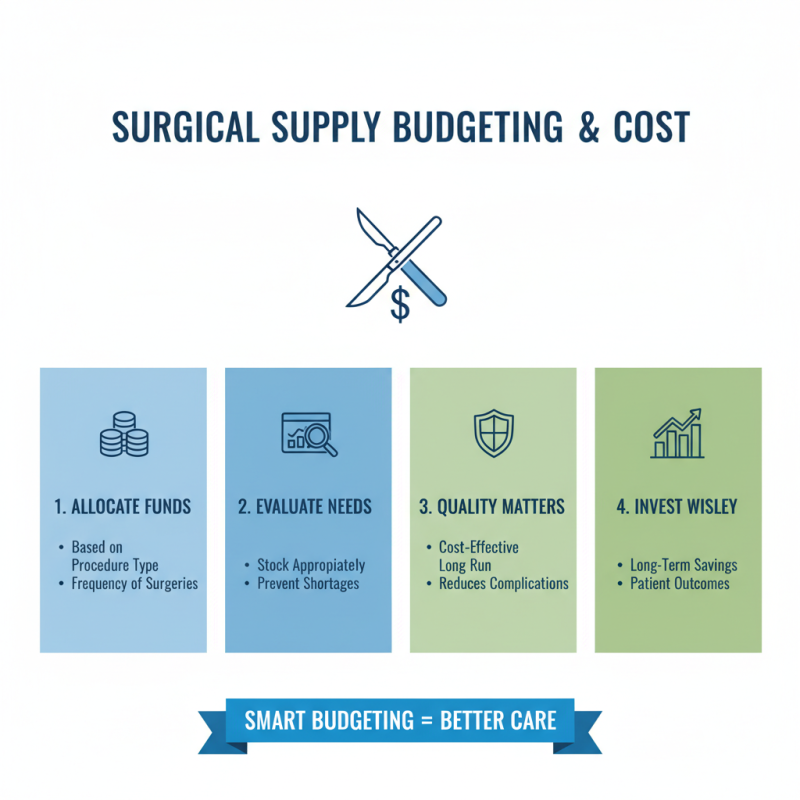
When considering surgical equipment, one must evaluate several factors. Quality, functionality, and reliability are paramount. Equipment should not only meet current standards but also align with surgical procedures in your specialty. Investing in the right tools enhances precision and reduces the risk of complications. However, it's vital to recognize that mistakes can happen in equipment choices.
The landscape of surgical equipment is constantly evolving. Innovations emerge frequently, and what worked yesterday may not suffice today. Clinical feedback and user experience should guide choices. Always consider the equipment's integration with existing systems. Reflect on previous experiences with surgical tools; they can inform better decisions moving forward.
Understanding Your Surgical Needs and Procedures
Understanding your surgical needs and procedures begins with careful assessment. Every surgical specialty requires specific tools. For instance, orthopedic surgeries demand robust instruments for bone manipulation. In contrast, minimally invasive procedures call for precise, delicate equipment. Knowing the type of surgery you will be performing guides your choices effectively.
Reflect on the procedures you frequently conduct. This reflection helps identify necessary tools. Consulting with colleagues can provide invaluable insights as well. Take feedback seriously. Engaging in discussions about past experiences can reveal strengths and weaknesses in your current toolkit. Being aware of what works well and what doesn’t is crucial.
Continuously evaluate your equipment's performance in procedures. It’s common to feel attached to familiar tools. However, being open to newer technologies can enhance patient outcomes. Surgical needs evolve, and so should your approach. Balance traditional methods with innovations for optimal results. Each decision shapes your practice and impacts patient care directly.
Evaluating Different Categories of Surgical Equipment
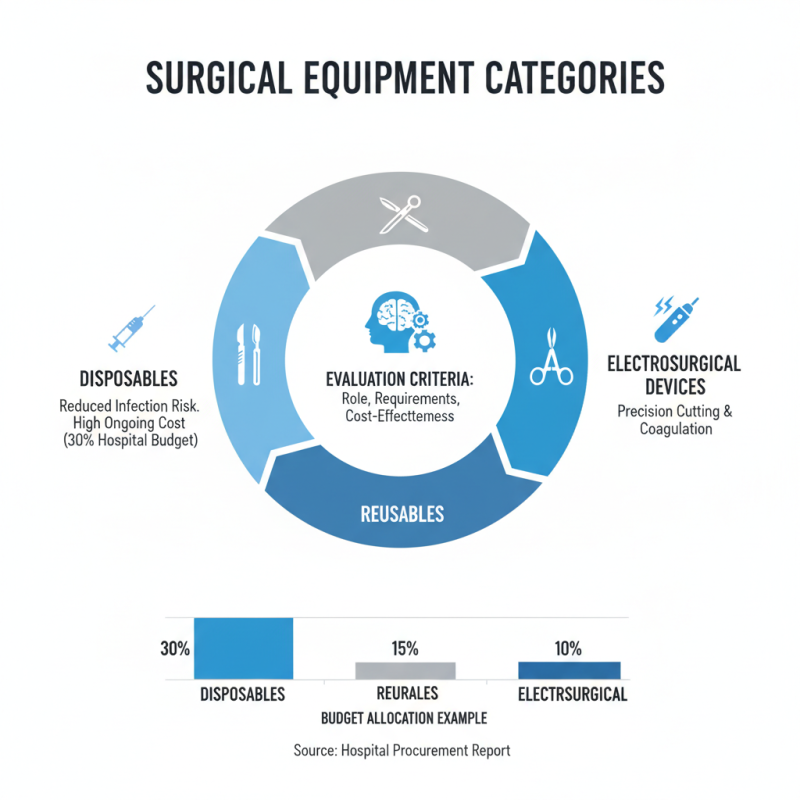
When evaluating different categories of surgical equipment, one must understand their unique roles and requirements. Surgical instruments can be broadly classified into disposables, reusables, and electrosurgical devices. Each category serves specific needs. Disposables, for instance, reduce the risk of infection but can lead to significant ongoing costs. Reports show that hospitals spend up to 30% of their budgets on disposable supplies alone.
Reusable instruments, on the other hand, are more sustainable. Proper sterilization can enhance their longevity and safety. However, the process can be complex and requires skilled personnel to ensure efficacy. A recent study indicated that improper sterilization practices could lead to a 25% increase in surgical site infections, highlighting the need for precision in handling these tools.
Electrosurgical devices have become pivotal in modern surgeries. They can minimize bleeding and shorten operation time, but they require well-trained personnel to operate effectively. Challenges arise from the learning curve associated with these advanced devices. As the technology advances, it's crucial to assess whether medical staff have adequate training. Overlooking training may compromise patient safety and operational efficiency, signaling a need for resource allocation in staff development.
Key Features to Consider When Selecting Surgical Instruments
Choosing the right surgical equipment can be daunting. It’s essential to consider key features to ensure optimal performance in the operating room. Durability is critical. Instruments must withstand repeated sterilization and use over time. Look for materials that resist corrosion and wear, as durability guarantees longevity.
Functionality is another aspect to evaluate. Different procedures require specific instruments. The design should enhance precision and control. Instrument size and weight also play a role. Bulky tools can hinder the surgeon’s dexterity. Lightweight options are generally preferable, but balance is crucial for effective maneuverability.
Ergonomics often gets overlooked. Tools should fit comfortably in a surgeon’s hand. A poor grip can lead to fatigue and compromise outcomes. Therefore, test instruments’ feel and usability during evaluations. Sometimes, feedback from colleagues can lead to better choices. Medical professionals should remain open to reassessing their preferences based on the evolving landscape of surgical techniques.
How to Choose the Right Surgical Equipment for Your Needs? - Key Features to Consider When Selecting Surgical Instruments
| Instrument Type |
Material |
Ergonomics |
Usability |
Maintenance |
| Scalpel |
Stainless Steel |
Non-slip handle for grip |
Simple to handle |
Requires regular sharpening |
| Forceps |
Titanium |
Lightweight design |
Easy to manipulate |
Low maintenance required |
| Scissors |
Carbon Steel |
Comfort grip handles |
Versatile cutting |
Requires cleaning and sterilization |
| Needle Holder |
Stainless Steel |
Ergonomically shaped |
Precision grip |
Minimal maintenance |
| Electrocautery |
Insulated material |
Comfortable design |
Requires training for use |
Regular checks needed |
Assessing Quality and Safety Standards in Surgical Equipment
Assessing quality and safety standards in surgical equipment is crucial for effective patient care. High-quality instruments should meet stringent manufacturing regulations. Look for certifications that indicate compliance with international standards. These certifications demonstrate that the equipment has passed rigorous testing for safety and reliability.
When evaluating surgical tools, it’s essential to consider the materials used. Instruments made from durable, non-reactive substances reduce the risk of complications. Check for reviews and feedback from other medical professionals. Their experiences can guide you toward more reliable options. A single faulty tool can compromise a procedure.
Training and education about surgical equipment are also vital. Ensure that the users understand how to handle the tools safely. Inadequate training can lead to misuse, which may cause unnecessary risks. Constant reflection on the effectiveness of chosen instruments can lead to improved outcomes. It’s always worth revisiting past choices.
Quality Assessment of Surgical Equipment