
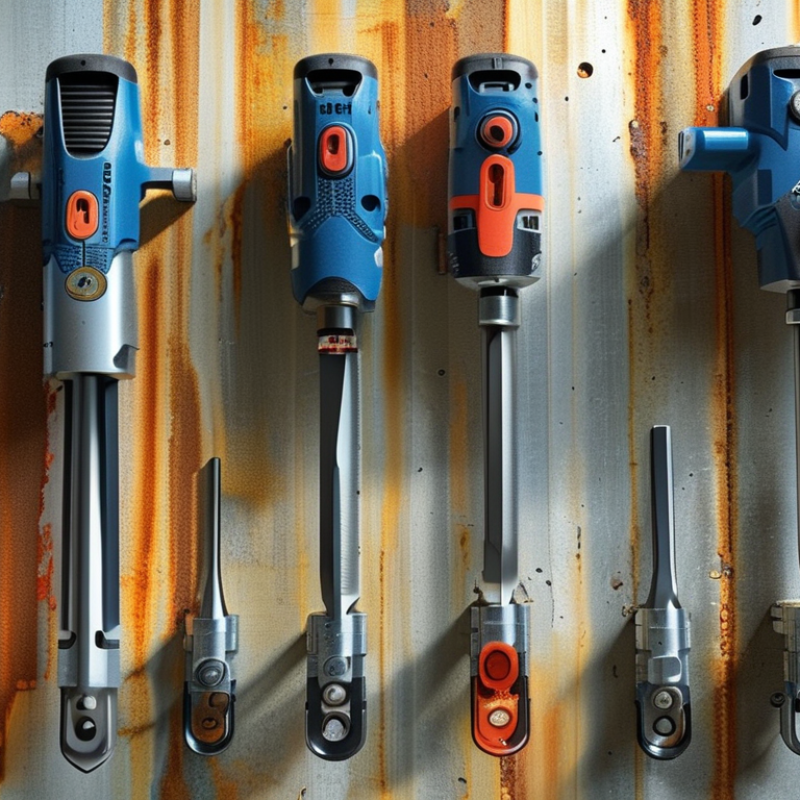
When choosing a pneumatic chisel in 2026, compare impact rate with real material resistance. A 2,000 BPM tool feels controlled on thin sheet metal and light rust removal. A 4,500 BPM model works faster on softer deposits, mortar, and repeated trimming. However, BPM alone can mislead. A rapid tool with a short stroke may remove less material than a slower tool with stronger impact energy.
Stroke length shows how far the piston travels before striking. A longer stroke usually delivers deeper impact and suits stubborn scale, joints, or compacted debris. It can also increase vibration and operator fatigue. Shorter strokes offer better control around delicate surfaces. In practical testing, I watch whether the chisel bites cleanly or simply chatters across the workpiece. That detail matters.
Tool weight changes handling more than many buyers expect. A heavier body may reduce movement during heavy chiseling, but it becomes tiring during overhead work. A lighter tool improves positioning and speed. I once selected a high-BPM, lightweight model for extended work and underestimated wrist fatigue. That was a poor judgment. Check the stated BPM and stroke length at the recommended air pressure, not at ideal laboratory conditions. Specifications can vary with hose size, compressor capacity, and worn chisels. Hold the tool briefly before purchase, if possible. Your grip tells part of the truth.