
Choosing the right Winter Item for global sourcing requires more than comparing supplier prices. Buyers must examine warmth, fabric performance, construction quality, packaging, and seasonal demand. A coat may look impressive in a product photograph yet feel thin in a warehouse inspection. Small details matter. Zippers should move smoothly, seams should remain even, and insulation should be distributed consistently.
Experienced sourcing teams usually begin with regional needs. A waterproof jacket for Northern Europe may not suit a mild coastal market. Retailers should study temperature ranges, customer habits, delivery times, and expected order volumes. Sample testing can reveal problems that spreadsheets cannot. Check fabric shrinkage after washing, color stability under light, and comfort during extended wear. Ask suppliers for material specifications, production records, and independent test reports where appropriate. Reliable documentation builds confidence.
Compliance also deserves careful attention. Each destination may set different requirements for labeling, fiber content, chemical safety, packaging, and consumer protection. Responsible buyers should verify current rules with qualified specialists before placing large orders. Suppliers must demonstrate consistent quality, not merely offer attractive samples.
No sourcing plan is flawless. A promising factory can still miss a deadline. A well-tested Winter Item can perform differently after mass production. That uncertainty should encourage stronger quality controls, realistic forecasts, and clear inspection agreements. The best decisions balance cost, performance, ethics, and reliability. They also leave room to learn from returned products, customer reviews, and changing weather patterns. Global sourcing becomes more dependable when every assumption is tested against practical evidence.
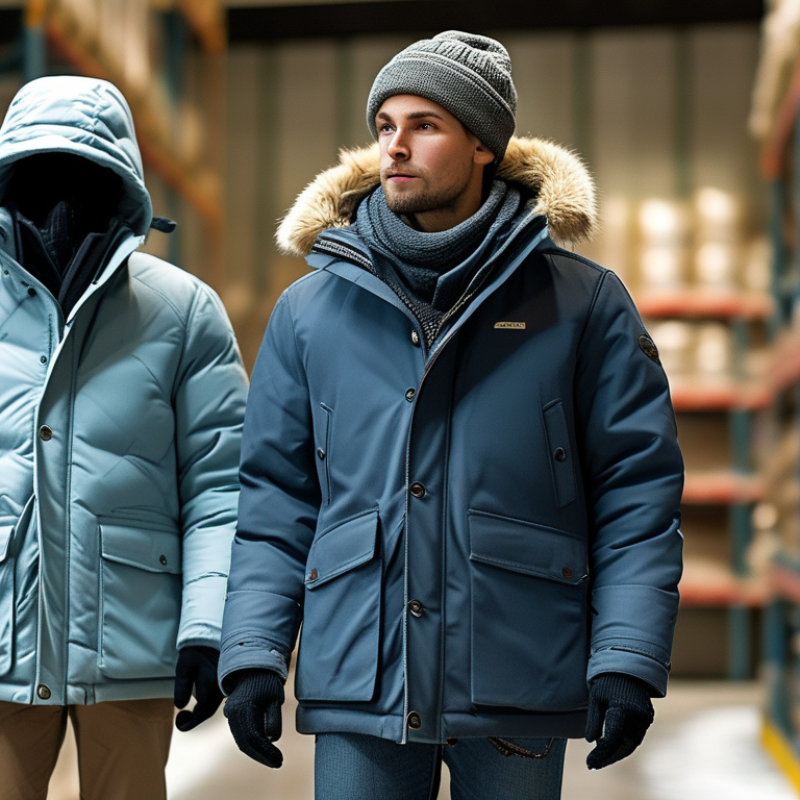
Decide whether priority is warmth, compact shipping, low price, or premium construction. These goals rarely fit perfectly together. Record the target retail price, order volume, delivery window, and acceptable defect rate.
Market requirements depend on location. A damp coastal city needs different protection than a dry inland region. Study temperature records, rainfall, wind, and household spending patterns. Speak with local distributors, not only online analysts. Their complaints often reveal practical gaps.
For insulated clothing, state fill performance, fabric weight, seam strength, care instructions, and size range. For winter accessories, check packaging safety and user instructions. Ask suppliers for recent test reports and production samples.
Verify that each sample matches the proposed material list. It sounds obvious. Yet small substitutions can change warmth, durability, or comfort. Review required market documentation before placing an order. Requirements differ across countries and may change. Use qualified testing partners when internal knowledge is limited.
Request quotations from several factories, then compare total landed cost. Include freight, inspection, packaging, duties, and possible rework. Ask how suppliers handle color variation, late materials, and failed inspections. A factory that answers clearly is easier to manage.
Our first seasonal forecast was too confident, and excess stock tied up cash.
Now we use conservative demand estimates and a smaller pilot order. This can delay growth, but it exposes weak assumptions early. Keep records of test results, buyer feedback, and corrective actions for the next sourcing cycle.
Winter products rarely perform equally well in every market. A jacket suited to dry, deep cold may feel heavy and uncomfortable in a wet coastal city. Sourcing teams should assess temperature, humidity, wind, snowfall, and daily activity before approving a product. Climate data offers a useful starting point. Local user feedback makes the decision more realistic.
Check insulation performance, moisture control, wind resistance, and drying time. For gloves, test grip after exposure to rain and freezing temperatures. For boots, examine traction on packed snow, wet pavement, and icy surfaces. Zippers, seams, and elastic cuffs deserve close inspection.
Small failures become serious during long commutes. They also create avoidable returns.
Use controlled tests, then compare them with field trials in representative regions. Record temperature ranges, wear duration, washing methods, and observed defects. An independent laboratory can verify thermal and material claims, but laboratory results are not the whole story.
Our first sample once passed a cold-chamber test but absorbed too much moisture outdoors. That mistake changed our evaluation process. We now request repeated testing and honest failure reports.
Product sizing also needs attention, because users may wear several layers underneath. Packaging should protect items from moisture during transport without adding unnecessary waste. Reliable sourcing depends on evidence, local experience, and a willingness to question attractive specifications.
Choosing winter items for global sourcing starts with material evidence, not attractive samples. Textile Exchange’s Materials Market Report 2024 estimates global fiber production reached 124 million tonnes in 2023. Polyester represented about 57% of output. This scale supports stable supply, but it also increases environmental scrutiny. Compare recycled content, fiber length, fabric weight, and abrasion results. A soft shell can still fail after several washes.
Insulation needs a practical comparison. Down may offer excellent warmth with low weight, while synthetic fill usually handles moisture better. However, fill-power claims alone can mislead. Test finished garments through thermal-resistance methods such as ISO 11092 or ASTM F1291. Check warmth after compression, not only in a new sample. Small details matter. Measure loft recovery after 24 hours, inspect cold spots near seams, and verify fill distribution by section.
Durability should include fabric strength, seam slippage, zipper cycles, and colorfastness. ISO 12947 abrasion testing can reveal surface breakdown before field use. Production quality also depends on inspection timing. Check insulation weight during cutting, seam allowance during sewing, and wash performance before shipment. AQL inspections are useful, but they cannot replace product testing. Some factories pass visual checks while producing uneven warmth. That weakness deserves more attention. Sourcing teams should document test methods, sample sizes, laboratory accreditation, and corrective actions. Textile Exchange’s 2024 report also projects fiber production could reach 160 million tonnes by 2030, making traceable and durable material decisions increasingly important.
Compare common insulation materials by typical thermal conductivity. Lower values generally indicate better insulation efficiency, although garment construction, loft, moisture, and compression also affect warmth.
Excellent warmth-to-weight performance when kept dry. Check fill power, down-to-feather ratio, moisture protection, and fill distribution.
Naturally moisture-regulating and resilient. Verify fiber composition, shrinkage control, pilling resistance, and colorfastness.
Consistent, scalable, and generally easier to maintain in humid conditions. Check loft retention, wash durability, fiber migration, and seam construction.
Use inspection plans covering insulation weight, garment measurements, seam strength, zipper function, needle detection, appearance, and labeling compliance.
Verify suppliers before comparing prices. A warm jacket may look reliable, yet poor stitching can appear after one wash. Request factory details, recent product samples, and clear production photos. Check whether the supplier actually manufactures the item or uses another facility. That difference can affect quality control and delivery. I once focused too heavily on a low quotation and overlooked slow sample communication. It created avoidable pressure later.
Certifications need careful review. Ask for certificates that match the product, material, and destination market. Confirm the issuing organization independently, and check expiration dates, testing scopes, and factory names. For children’s winter products, chemical, flammability, and safety requirements may be stricter. Do not accept a scanned document without verification. Minimum order quantities also deserve negotiation. A smaller trial order may cost more per unit, but it limits inventory risk. Lead times should include fabric purchasing, production, inspection, and shipping. Add a buffer for weather disruptions and port delays.
Tips: Put every promise in writing. Request a pre-shipment inspection. Compare at least three suppliers. Confirm the MOQ for each color and size. Ask what happens when materials become unavailable. A detailed timeline helps, but it is never perfect. Recheck it before placing the final order.
Choosing winter items for global sourcing requires more than comparing supplier prices. Calculate landed cost per unit: product price, packaging, inland transport, duty, insurance, inspection, storage, and possible demurrage. UNCTAD’s Review of Maritime Transport reports that over 80% of global merchandise trade moves by sea. A delayed vessel can therefore affect both cash flow and launch timing.
Build shipping scenarios before placing an order. Use normal, delayed, and emergency freight rates. Freightos industry data has shown that container prices can rise sharply during route disruptions, sometimes within weeks. Add a 10–15% logistics contingency when routes face congestion or security concerns. This is not a perfect rule. It depends on port capacity, sailing distance, and cargo volume.
Seasonal demand also needs evidence. The National Retail Federation projected 2024 U.S. holiday sales between 979.5 and 989 billion dollars, representing 2.5–3.5% growth. For winter products, study monthly search activity, historical sell-through, weather records, and regional climate differences. Buy core sizes earlier, but test unusual colors with smaller quantities. My forecast can still be wrong. A mild winter may leave cartons of thick coats in storage. Review demand every two weeks, and compare sales against the original assumption. Temperature, shipping time, and total cost must be evaluated together.
© 2025 Henleys Medical Supplies | Website Cookies & Privacy Policy | Company Privacy Notice | Terms of Sale | Cancellation & Returns | Company Reg No. 452882 | Vat No. GB229 2540 68 | Web design by Cariad Marketing
