How to Choose the Best Respiratory Supplies for Your Needs?
Choosing the right respiratory supplies is essential for maintaining good health. With numerous options available, it can feel overwhelming. Each person’s needs are unique. Understanding these needs is crucial for effective decision-making.
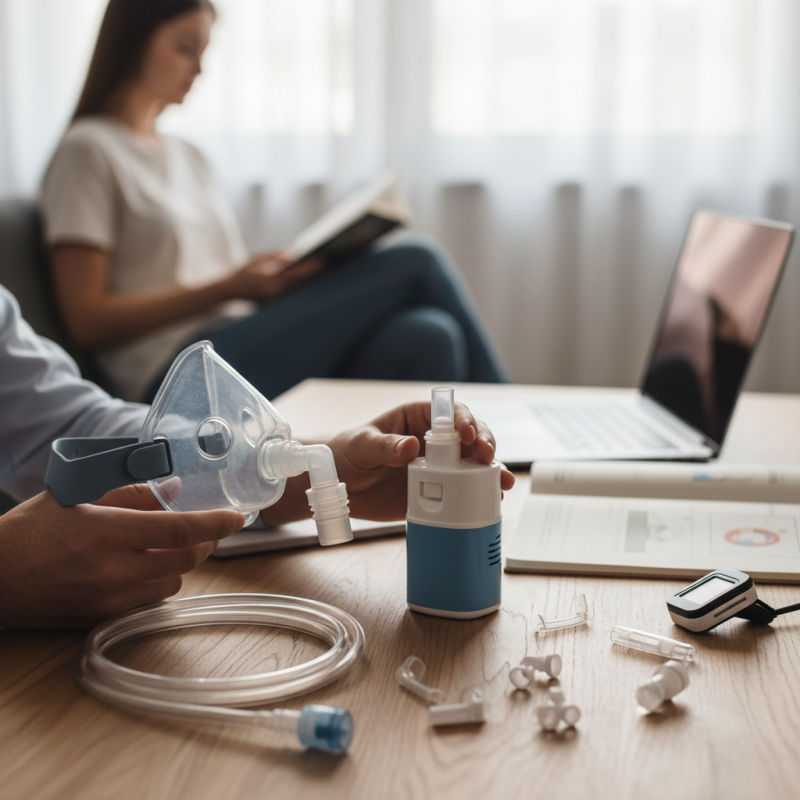
Quality respiratory supplies can greatly improve quality of life. For instance, a well-fitted mask can enhance comfort during sleep. Meanwhile, nebulizers provide important medication delivery for those with chronic conditions. However, not all products suit every situation. Some supplies might not work effectively for you.
Take time to evaluate your lifestyle and specific requirements. Reflect on what activities you engage in daily. Consider your medical history as well. The right choices can lead to better respiratory health. Yet, it’s easy to overlook critical details in this process. Finding the best respiratory supplies requires thoughtful consideration and self-awareness.
Understanding Different Types of Respiratory Supplies Available
When selecting respiratory supplies, it's crucial to understand the types available. Various products cater to distinct needs. These include inhalers, nebulizers, and CPAP machines. Each serves a different purpose. For instance, inhalers are often used for asthma and COPD patients. Data shows that about 20% of adults in the U.S. suffer from asthma, indicating a significant market for inhalers.
Nebulizers are beneficial for delivering medication in mist form. They are particularly helpful for children or individuals unable to use inhalers effectively. Reports suggest that nebulizer usage has increased by nearly 15% in recent years due to their ease of use. Interestingly, CPAP machines help those with sleep apnea. Around 30 million adults in the U.S. are affected, showcasing a vast need for these devices.
Understanding the nuances of these supplies can be tricky. Not all products suit every patient’s needs. Factors such as age, severity of the condition, and personal preferences should be considered. Many users may overlook these aspects, leading to ineffective treatment. Choosing the right respiratory supply is not just about availability; it requires careful consideration and sometimes trial and error.
Assessing Your Specific Respiratory Health Needs
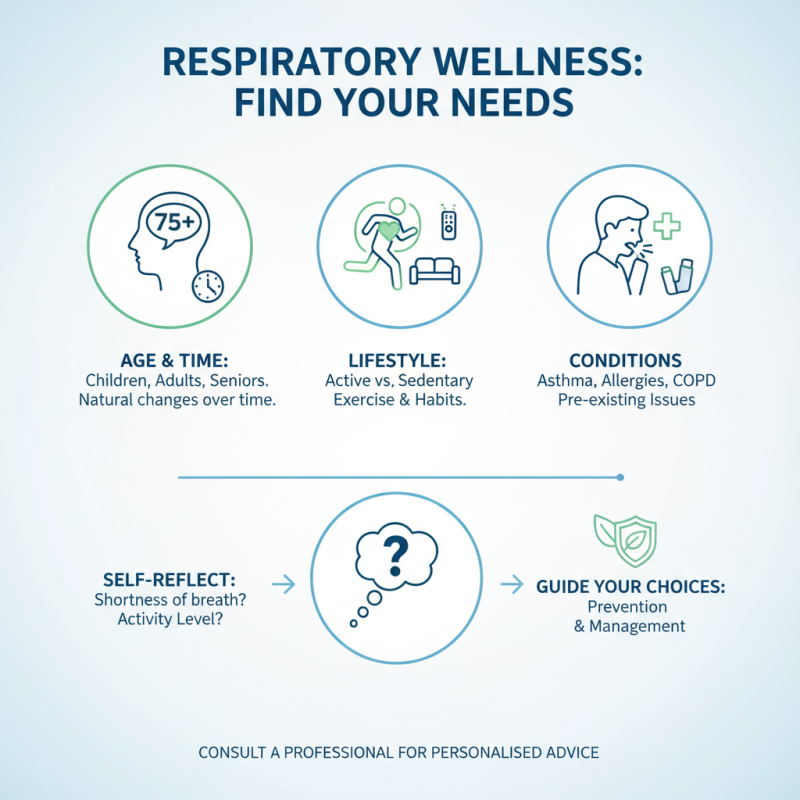
When considering respiratory health, identifying your specific needs is crucial. Many factors influence these requirements. Age, lifestyle, and existing conditions can all affect your respiratory wellness. Take a moment to reflect on your daily activities. Are you active? Do you often find it hard to breathe? This can guide your choices.
Next, think about your environment. Are you exposed to allergens or pollutants? This exposure can drive your need for certain supplies. For instance, if you live in a densely populated area, you may need a high-quality mask or an air purifier. Consider how often you need respiratory support. For occasional use, portable devices might suffice. Regular use may require something more robust and reliable.
While evaluating options, remember that not everything will fit perfectly. Some products may feel uncomfortable or cumbersome at first. It’s essential to be open to adjustments. Experimenting might lead to better solutions. Document your experiences. This feedback can help refine your choices over time. Being aware of your changing needs is part of the journey in managing your respiratory health effectively.
Evaluating Quality and Safety of Respiratory Products
When selecting respiratory supplies, evaluating quality and safety is crucial. Various studies indicate that over 15 million Americans suffer from chronic respiratory conditions. Therefore, the products used are critical to patient well-being. One important aspect is materials used in respiratory devices. FDA-approved products undergo rigorous testing. However, many options on the market may not meet these standards.
Tip: Always look for certifications. Products with rigorous testing protocols ensure better safety and effectiveness.
Another key factor is the user experience. For instance, inadequate fit or comfort can lead to non-compliance. Studies show that 30% of users discontinue due to discomfort. Therefore, assessing the fit of masks or tubes is vital. Personal testing is essential. Gather reviews, but remember, individual fit can vary significantly.
Tip: Measure before purchase. Proper measurements lead to improved comfort and increased usage adherence.
Lastly, consider the product lifecycle. Many disposable products may seem cost-effective but can harm the environment. Look for sustainable options that offer lower total costs over time. Balancing quality, safety, and environmental impact is challenging, but it is crucial.
Comparing Costs and Insurance Coverage for Respiratory Supplies
When selecting respiratory supplies, understanding costs and insurance coverage is vital. Studies show that respiratory equipment can range from $500 to $3,000, depending on the type and complexity. Many patients feel overwhelmed by these figures. Insurance plans vary widely. Some cover a high percentage, while others might offer minimal assistance. In fact, a report indicated that nearly 60% of users are unsure of their plan’s specifics regarding respiratory supplies.
Tips: Always check your insurance policy. Contact your provider to clarify what is covered. This can save you unexpected expenses later.
Additionally, consider out-of-pocket costs. Some suppliers offer rental options that can ease financial burdens. A survey revealed that about 30% of patients opt for rentals instead of purchases. However, renting could lead to long-term expenses. Be cautious of hidden fees that might accrue over time. While renting provides immediate relief, it’s essential to evaluate if purchasing may offer a better long-term solution.
Tips: Keep a detailed account of all expenses. Tracking what you spend on respiratory supplies may guide future decisions. Understanding your financial limits can help prevent unnecessary stress.
Seeking Professional Guidance for Optimal Respiratory Equipment Choice
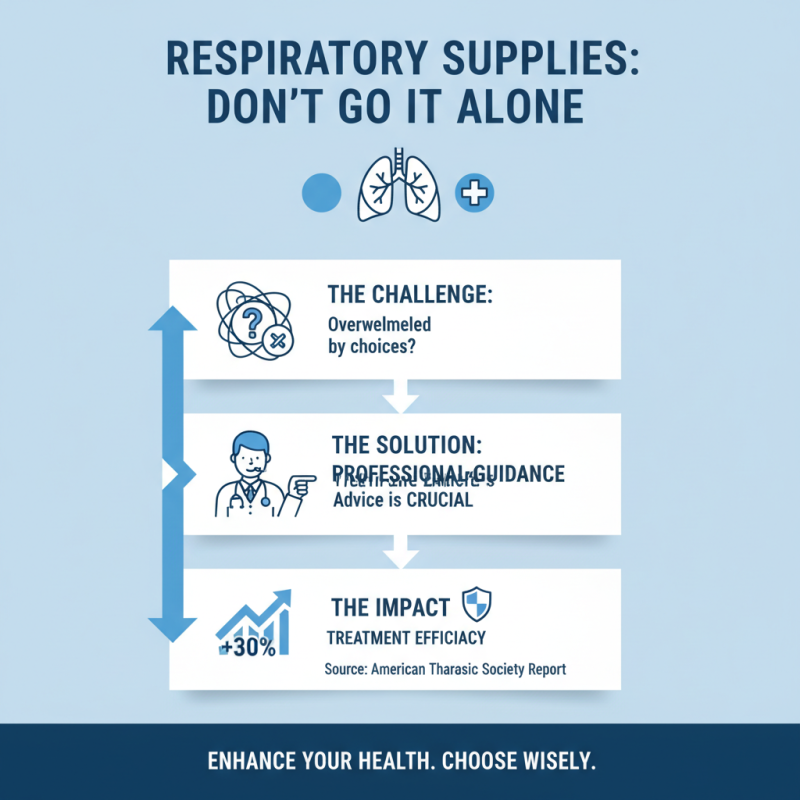
Choosing the right respiratory supplies can be overwhelming. Professional guidance is crucial. Many people overlook the importance of a healthcare expert's advice. According to a report from the American Thoracic Society, proper equipment choice can enhance treatment efficacy by up to 30%. This data highlights the impact of selecting the right tools.
When consulting a professional, be ready to discuss your specific needs. Gather details about your condition and symptoms. Ask questions about different devices. Understand how they function and their benefits. This active engagement can bridge gaps in your understanding.
Tips: Always verify the qualifications of your healthcare provider. Ensure they have experience in respiratory care. Also, don’t hesitate to seek a second opinion. Sometimes, the difference between equipment is subtle but significant. Pay attention to comfort and usability. An unsatisfactory fit could lead to poor compliance.
Remember, equipment selection isn't one-size-fits-all. Take time to reflect on your experiences. Are you using your supplies correctly? Engaging with professionals can lead you to the best choices. Your respiratory health is worth the effort and diligence.