Best Surgical Items for Your Medical Practice?
In the evolving field of medical practice, the selection of surgical items plays a pivotal role. Recent reports indicate that hospitals and clinics spend over $100 billion annually on surgical supplies. The demand for high-quality, reliable surgical items continues to rise. According to Dr. Emily Roberts, a leading expert in surgical instrumentation, "The right surgical items can significantly impact patient outcomes and operational efficiency."
Operating rooms are increasingly seeing advancements in surgical items, from scalpels to sutures. Innovation is essential, but the overwhelming variety of options can be daunting for practitioners. Many struggle to assess what truly works best for their needs. Data from industry studies reveal that around 30% of surgical items purchased are often unused, highlighting a need for better decision-making.
Moreover, cost management and quality assurance remain critical challenges. Unsurprisingly, 40% of clinics report budget overruns due to inefficient procurement processes. This disparity calls for reflection on how surgical items are selected. Finding the best surgical items is not merely about brand names. It requires a strategic approach grounded in evidence-based practices to foster better health outcomes.

Essential Surgical Instruments for Every Medical Practice
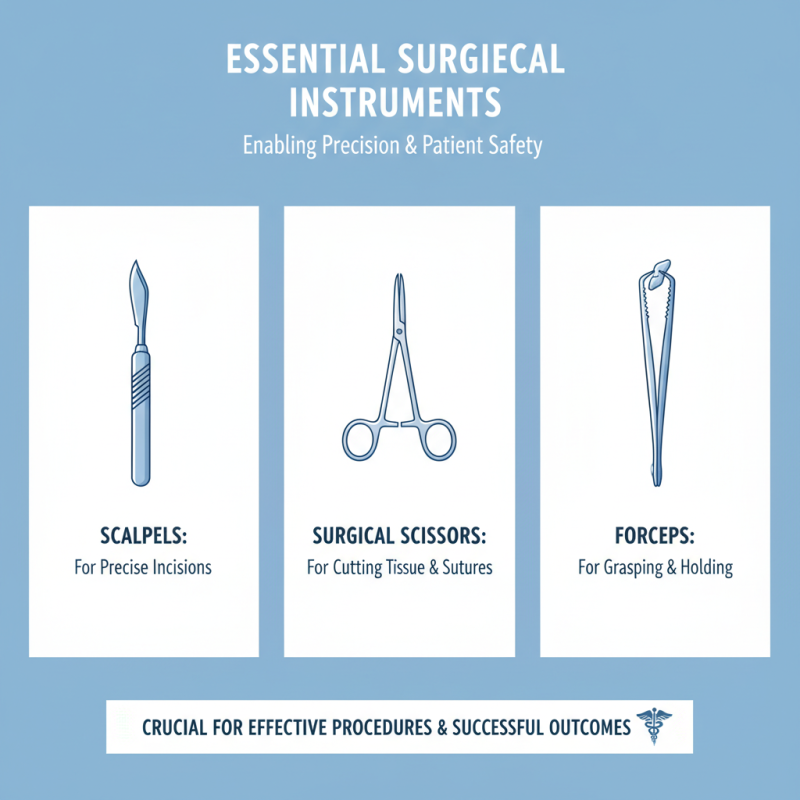
In every medical practice, having the right surgical instruments is crucial. Essential surgical instruments include scalpels, scissors, and forceps. These tools enable healthcare professionals to perform various procedures effectively. Each instrument serves a specific purpose, helping to ensure patient safety and successful outcomes.
For instance, a scalpel is vital for making incisions. It requires precision and careful handling. Scissors, on the other hand, are used for cutting tissues and sutures. The variability in their design influences their effectiveness. Likewise, forceps are essential for gripping and manipulating tissues. However, the quality of these tools can differ. This can affect their usability in critical moments.
It is important to regularly assess the condition of surgical instruments. Worn-out tools may compromise surgical techniques. Practices need to invest in training for staff on proper use and maintenance. A keen eye for detail in instrument care can reduce risks. Regular evaluation helps identify outdated or damaged items. A balance needs to be struck between cost and quality. The best surgical outcome depends on reliable instruments and informed practitioners.
Factors to Consider When Choosing Surgical Items
Choosing the right surgical items for your medical practice requires careful consideration. The quality of these items significantly impacts patient outcomes and safety. When selecting surgical tools, think about durability and precision. It is essential to invest in tools that can withstand rigorous use.
Tip: Always check the materials used in surgical instruments. Stainless steel is often preferred for its resistance to corrosion and damage.
Another factor to consider is the comfort of the instruments. A well-designed tool can reduce fatigue during procedures. This is particularly vital in long surgeries. A poorly designed instrument might lead to errors or excessive strain.
Tip: Take time to hold and test surgical instruments. Comfort can greatly affect performance.
Furthermore, stay within your budget without compromising on quality. Sometimes higher-priced items may not necessarily guarantee better performance. Compare options and evaluate feedback from other professionals. This can be valuable.
Tip: Consider buying in bulk to save costs, but ensure the quality is not sacrificed for price.
Top Manufacturers of Surgical Supplies and Their Offerings
When it comes to surgical supplies, the quality can vary greatly. Many healthcare professionals rely on well-established manufacturers for their surgical instruments. These manufacturers offer a wide range of items, from scalpels to sutures. A recent industry report indicates that the global surgical supply market is projected to reach $12 billion by 2027. This highlights the growing reliance on high-quality surgical items.
Among the top offerings, surgical drapes and sterile instruments play a crucial role in maintaining a sterile environment. Research shows that 30% of surgical site infections are linked to improper sterile techniques. This underscores the importance of selecting reliable manufacturers who adhere to strict quality control. Not every manufacturer maintains the same standards. Some products may not meet the rigorous requirements that surgeries demand.
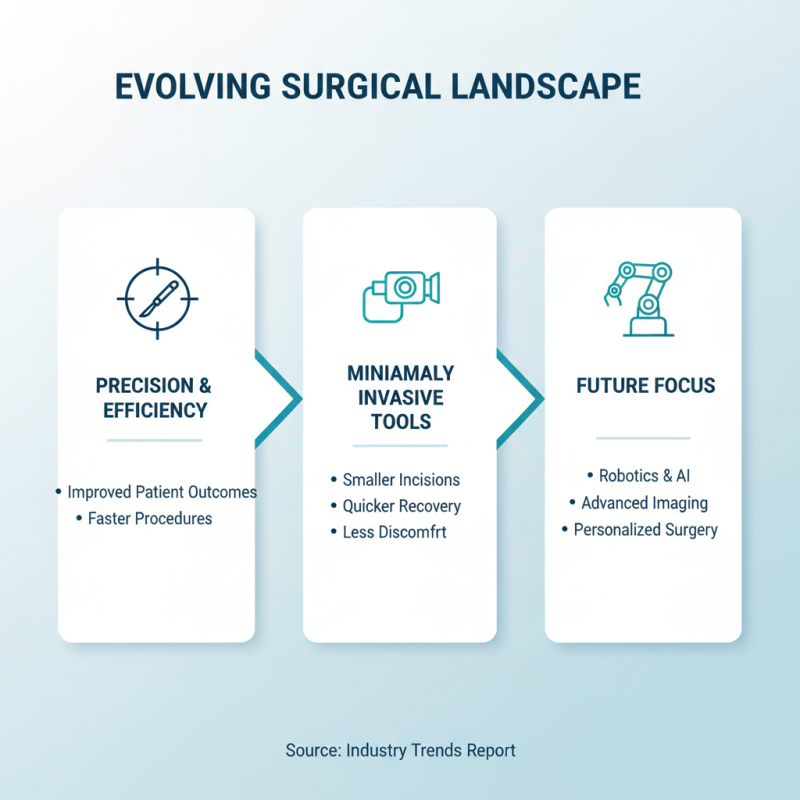
A focus on innovative technologies is evident in the market. Suppliers are increasingly adopting advanced materials for better durability and effectiveness. However, few research initiatives address environmental sustainability in surgical supplies. This gap raises questions about the long-term impact of our choices. While the offers are enticing, it’s essential to be discerning. Checking certifications and reviews can help ensure you’re investing wisely in your practice.
Maintaining and Sterilizing Surgical Equipment: Best Practices
Maintaining and sterilizing surgical equipment is crucial in any medical practice. Inadequate sterilization can lead to infection rates as high as 5-15%. Regular maintenance schedules help reduce this risk. Ensuring instruments are cleaned properly after each use is essential.
Manual cleaning is often insufficient; automated systems can enhance efficiency.
Sterilization methods vary widely. Steam sterilization is effective but may not reach every nook of complex instruments. Chemical sterilants are useful for materials sensitive to heat. Studies show that improper use of sterilants can cause instrument degradation. It's vital to train staff on best practices to avoid human error.
Documenting procedures is another key aspect. Inconsistent records can lead to lapses in sterilization. Regular audits can identify gaps in the process. A survey indicated that nearly 30% of practices do not routinely check sterilization effectiveness. Continuous improvement is necessary for patient safety.