
Call us on 01707 385 226

7 Best PEEK Interference Screws for ACL Reconstruction

Choosing a fixation device for ACL reconstruction is a clinical decision, not a popularity contest. A Peek Interference Screw secures a graft within a bone tunnel, where screw design, graft type, tunnel dimensions, and insertion technique all matter. PEEK is radiolucent, so it can leave less imaging obstruction than metal. But that feature alone does not make every screw suitable for every patient.

This guide compares seven commonly considered PEEK interference screws by design features, available sizes, compatibility, and practical trade-offs. No single model is best for every reconstruction. Surgeons must also consider graft choice, bone quality, and the specific fixation method. Small details matter: a screw’s diameter, length, and insertion feel can shape the procedure. Easy to overlook.

A useful principle, consistent with ACL specialist Dr. Freddie Fu’s emphasis on individualized reconstruction, is: “Match fixation to the graft and the patient, not simply to a product ranking.” This is an editorial paraphrase, not a verified verbatim quotation. Product details and clinical evidence can change, so readers should check current manufacturer information and peer-reviewed research. The comparison is intended to inform discussion, not replace a surgeon’s judgment. One caution remains: a neat ranking can hide important differences in surgical needs.
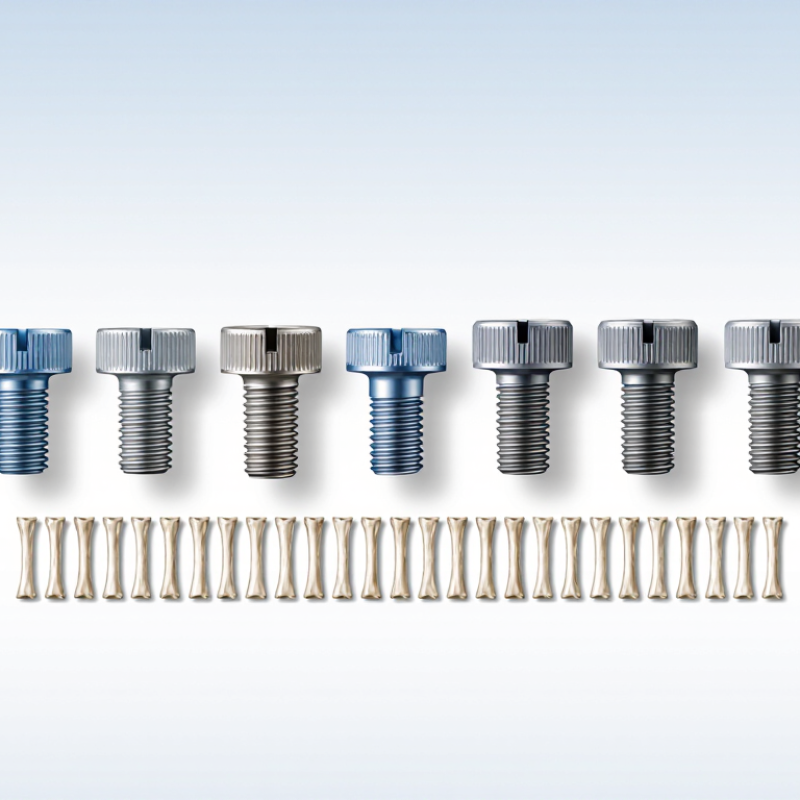
7 Best PEEK Interference Screws for ACL Reconstruction

PEEK Interference Screws: Role in ACL Graft Fixation and Tunnel Placement

During ACL reconstruction, an interference screw presses the tendon graft against the wall of a prepared bone tunnel. This compression helps resist graft slippage while the graft integrates with bone. PEEK is radiolucent, so it creates less imaging obstruction than many metal implants. Follow-up images may therefore show surrounding bone more clearly. Useful, but not magic.

Tunnel placement and screw fit matter as much as material choice. The surgeon considers graft type, tunnel diameter, bone quality, and the direction of insertion. A screw that is too large or poorly aligned may damage graft fibers or weaken the tunnel wall. Too little compression can leave the graft less secure. Small changes in angle can matter.

PEEK screws are available in different diameters and lengths to suit surgical needs. Their performance still depends on careful sizing and technique, not a single “best” specification. Imaging visibility also does not confirm biological healing on its own; clinical examination and appropriate scans provide different information. In practice, there is room for judgment, and tunnel anatomy is not always textbook-perfect. A surgeon weighs these details when choosing fixation for each patient.

Typical Unfilled PEEK: ~3.6 GPa Modulus and 343°C Melting Point

For ACL reconstruction, unfilled PEEK offers a useful balance of stiffness and strength. Its typical elastic modulus is about 3.6 GPa, while its melting point is around 343°C. These figures describe the material, not the performance of every interference screw. Geometry, manufacturing, and testing conditions matter too.

That number is useful, but not a promise. A screw’s stiffness affects how it transfers load near the tendon graft and bone tunnel. The surrounding bone, screw diameter, thread design, and insertion technique also influence fixation.

A melting point of 343°C is a material reference, not a recommended sterilization temperature or a measure of clinical safety. Check validated device information for those details.

PEEK is radiolucent, so it generally creates less imaging obstruction than metal, though imaging appearance depends on the scan and surrounding materials. Its properties can make it an option when surgeons assess graft fixation and postoperative imaging needs.

Still, the modulus alone cannot identify the best screw. It is easy to lean too heavily on one tidy number. Real performance needs evidence from the finished device and its intended use.

Seven Screw Designs Compared by Size, Thread Pattern, Material, and Driver

A PEEK interference screw is not defined by material alone. Compare seven design variables: diameter, length, thread pitch, thread depth, tip shape, cannulation, and driver interface. Many ACL systems offer diameters around 7–11 mm and lengths near 20–30 mm, but graft and tunnel measurements should guide selection. A close fit matters. Deep, widely spaced threads may improve purchase in some bone conditions, while a blunt tip can ease insertion near a tendon graft. Neither feature guarantees better fixation.

PEEK is radiolucent, which can make postoperative imaging easier to read than imaging around metal. Yet it is not absorbable, and radiolucency does not prove healing. The AAOS 2022 ACL Clinical Practice Guideline focuses on graft choice and does not identify one interference-screw material as universally superior. Comparative systematic reviews likewise report no consistent functional advantage for one screw material; study methods and follow-up differ. Driver fit deserves a practical check: a mismatched recess can strip during insertion. Small detail. Compare the seven designs by matching screw dimensions to the tunnel, confirming thread geometry, and checking that the driver seats fully. There is no perfect shortlist; bone quality and surgical technique still change the decision.

7 Best PEEK Interference Screws for ACL Reconstruction - Seven Screw Designs Compared by Size, Thread Pattern, Material, and Driver

Representative design Example size (diameter × length) Thread pattern Material Driver interface Design considerations
1. Small-diameter, tapered tip 7 × 20 mm Coarse, deep threads; tapered lead-in Implant-grade PEEK polymer Internal hex or hexalobular drive, depending on system A compact size option; the appropriate diameter and length depend on tunnel preparation, graft, and bone anatomy.
2. Standard tapered profile 8 × 25 mm Continuous coarse thread with tapered tip Implant-grade PEEK polymer System-matched internal drive A representative mid-range configuration; thread geometry and insertion technique vary by device design.
3. Larger-diameter profile 9 × 25 mm Broad, relatively deep threads Implant-grade PEEK polymer Internal hex or hexalobular drive, depending on system A larger diameter may be considered when compatible with the prepared tunnel and fixation plan; it is not interchangeable with every graft or tunnel size.
4. Longer tapered profile 9 × 30 mm Coarse thread; tapered lead-in and extended body Implant-grade PEEK polymer System-matched internal drive Length selection should account for tunnel depth and the intended position of the screw relative to the graft.
5. Constant-diameter profile 9 × 20 mm Uniform-diameter body with continuous threads Implant-grade PEEK polymer Internal drive matched to the insertion instrument A non-tapered profile is a distinct geometry option; confirm compatibility with the prepared tunnel and the specific surgical system.
6. Large-diameter, short profile 10 × 20 mm Coarse thread with a short body Implant-grade PEEK polymer System-matched internal drive A wider, shorter configuration illustrates how diameter and length can be varied independently; sizing must follow the device instructions and surgical plan.
7. Large-diameter, long profile 10 × 30 mm Coarse, deep threads; tapered or rounded lead-in varies by design Implant-grade PEEK polymer Internal hex or hexalobular drive, depending on system A larger, longer example; verify tunnel dimensions, graft fit, driver engagement, and the implant’s approved indications.

Note: These are representative design configurations for comparison, not seven specific commercial products. PEEK interference screw dimensions, thread geometry, and driver interfaces vary by manufacturer and system. Confirm sizing and compatibility using the applicable device instructions for use and surgical plan.

How Pullout Strength and Cyclic Loading Assess Fixation Performance

For ACL reconstruction, a PEEK interference screw should be judged by more than its peak pullout load. Pullout testing records the force required to move or extract a graft from its bone tunnel. Cyclic testing adds a different question: does fixation loosen under repeated, smaller loads? In Kousa and colleagues’ 2003 biomechanical studies of hamstring-graft fixation, constructs underwent 1,000 cycles between 50 and 250 N before load-to-failure testing. These are laboratory conditions, not a direct forecast of patient outcomes.

Small differences matter. A screw may show a strong final failure load yet allow gradual graft slippage during cycling. Useful comparisons therefore report both peak load, in newtons, and displacement after cycling, alongside screw diameter, insertion depth, graft type, and bone density. Without these details, ranking seven designs by one headline number can be misleading.

PEEK is radiolucent, which can help clinicians assess bone tunnels on follow-up images, but imaging visibility does not prove stronger fixation. Bench results also depend on test setup; cadaveric bone varies, and synthetic models cannot reproduce healing. When reviewing performance data, look for consistent test methods and repeatable results, not just the largest reported load. A cautious choice may be less exciting, but it is more defensible.

Choosing Screw Diameter and Length to Match Graft and Bone Tunnel

In ACL reconstruction, screw size should follow the measured graft and prepared tunnel, not a generic chart. A hamstring graft may compress differently from a bone-block graft. Measure the graft under consistent tension, then confirm tunnel diameter with the sizing method used during surgery. Small differences matter. A tight fit can improve contact, but an oversized screw may damage graft fibers or stress thin tunnel walls.

Diameter selection depends on graft type, tunnel width, bone quality, and fixation technique. There is no single size increment that suits every case. The screw should compress the graft without forcing it against the tunnel. Length matters just as much. It should provide adequate thread engagement while staying within the planned tunnel and avoiding unwanted joint-side or cortical protrusion. Check tunnel length, insertion angle, and available bone stock before selecting a size.

PEEK material does not determine the correct dimensions; fit and fixation requirements do. Sizing charts can guide planning, but they cannot replace direct measurements or surgical judgment. That is an imperfect part of the process: grafts can change shape under tension, and measurements are not always exact. PEEK is radiolucent, so follow-up assessment may rely on tunnel position and surrounding bone findings rather than a clearly visible screw.

We use cookies to ensure that we give you the best experience on our website.