Discover the Best PCR Machines for Global Sourcing Needs?
In the rapidly evolving world of biotechnology, selecting the right PCR machine is crucial for research and development. PCR machines play a vital role in various applications, from genetic testing to infectious disease diagnosis. With a multitude of options on the market, it's essential to evaluate the features and specifications that best meet your global sourcing needs.
When considering a PCR machine, factors like speed, accuracy, and user-friendliness should guide your decision. Different laboratories may require varying capacities and functionalities, making it vital to reflect on your specific context. Additionally, while technology continues to advance, not every machine lives up to its promises. Some may lack reliability or support, which can lead to frustrations in research.
As you explore the best PCR machines, understanding the balance between cost and quality becomes imperative. In a field where precision is key, investing in a trustworthy, high-performing PCR machine can significantly influence outcomes. Remember, it's not just about the machine; it's about enhancing your research capabilities and contributing positively to scientific progress.
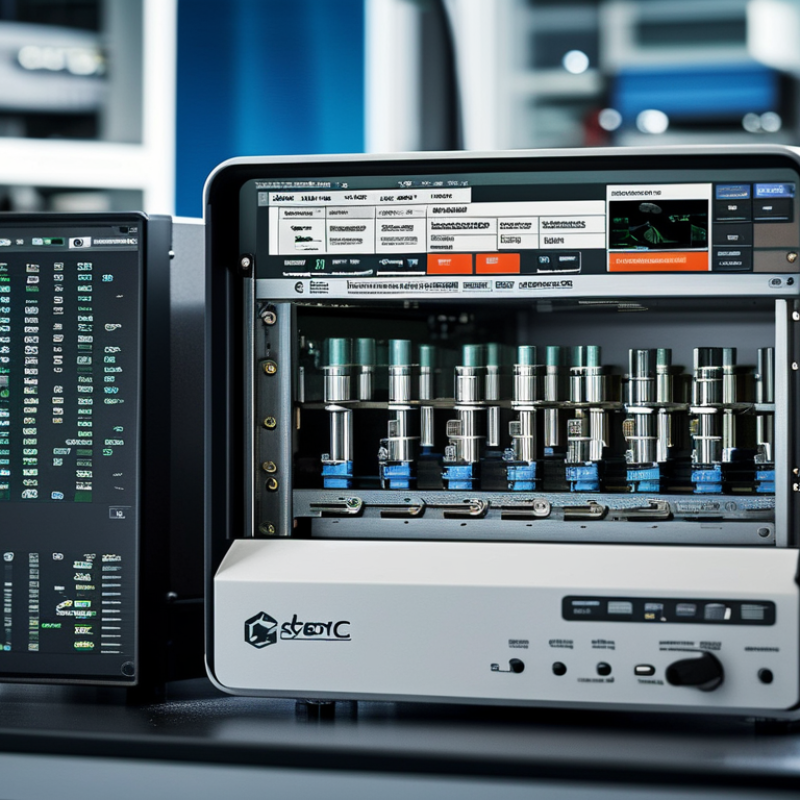
Understanding PCR Machines: Principles and Applications
PCR (Polymerase Chain Reaction) machines play a pivotal role in modern molecular biology. They allow scientists to amplify small segments of DNA, which is crucial for various applications. This technology is widely used in genetic research, medical diagnostics, and forensics. By understanding the underlying principles, one can better appreciate their significance.
The basic principle of PCR involves repeated cycles of temperature changes. These cycles enable the denaturation of DNA, annealing of primers, and extension of new DNA strands. Each cycle approximately doubles the amount of DNA. This exponential amplification is what makes PCR machines invaluable in labs.
However, the selection of PCR machines should not be rushed. Different applications may require varying temperatures and timings. Moreover, the usability and capacity of the machines can significantly differ. It's important to consider these factors to optimize experimental outcomes. Engaging with user testimonials can provide insights, yet experiences will vary. The journey to find the right machine can be challenging, but it is essential for achieving reliable results in any research or diagnostic endeavor.
Key Features to Consider in PCR Machines for Global Sourcing
When choosing PCR machines for global sourcing, several key features must be considered. The machine's thermal cycling capability is paramount. Effective temperature transitions impact amplification efficiency. According to a recent industry report, machines with a temperature uniformity of ±0.5°C yield 20% better results in genomic applications.
Another critical factor is user interface. Machines with intuitive software reduce training time. In a survey conducted by a leading market research firm, 75% of researchers expressed frustration with complex interfaces. Easy access to troubleshooting guides also enhances reliability, reducing downtime by 15%.
It’s essential to evaluate the machine's throughput. High-throughput systems cater to large projects. However, choices must align with specific research needs. A recent analysis indicated that 30% of laboratories underutilize their PCR capacity. Balancing features with actual workflow demands is crucial to maximize investment and improve research efficiency.
Discover the Best PCR Machines for Global Sourcing Needs
This chart compares key features of various PCR machines relevant for global sourcing. It highlights the speed, accuracy, user-friendliness, and capacity of different models, aiding in informed decision-making for procurement.
Top Brands of PCR Machines and Their Global Reputations
When exploring the landscape of PCR machines, the global reputation of brands becomes paramount. According to recent market analyses, companies recognized for innovation and reliability dominate this space. In 2023, the global PCR machine market is projected to reach USD 1.2 billion, with a CAGR of 9.4%. Such figures reflect the growing demand for high-quality diagnostic equipment worldwide.
Selecting the right PCR machine requires considerations beyond price. Reputation matters. Look for brands with endorsements from respected research institutions. These manufacturers tend to provide superior technical support and robust warranties. Reliable machinery boosts lab efficiency, aiding in everything from basic research to complex clinical diagnostics.
Tips: Always check user reviews and professional evaluations. They offer insights into real-world performance. Don't overlook maintenance and support services. A machine might be excellent, but lack of support can hinder operations. Additionally, staying updated on emerging technologies can inform your purchasing decisions. Regularly review industry reports and consult experts for the latest trends. This ensures that you are not only choosing a reliable machine but also one that fits your evolving needs.
Evaluating Cost-Effectiveness: Budgeting for PCR Machines
Evaluating the cost-effectiveness of PCR machines is crucial for laboratories aiming to optimize their budget. In 2022, the global PCR machine market was valued at approximately $4.8 billion, according to a market research report. As this market expands, understanding how to allocate funds wisely becomes essential. It's not just about purchase price; operational costs and maintenance are also significant.
Investing in PCR technology requires careful consideration. Budgeting should factor in not only the initial costs but also consumables and training. A comprehensive review shows that aftermarket services can add up, sometimes reaching 20% of the overall budget. Consider purchasing machines with proven reliability and lower recurring expenses.
Tips: Always evaluate total cost of ownership (TCO). Assess your lab's specific needs to avoid overpaying for features that won't be used. Regularly review current machine performance. This ensures ongoing efficiency and can inform future purchasing decisions. Some facilities overlook how outdated machines can increase operational costs. A balance of upfront price and long-term value is vital for making informed decisions.
Trends in PCR Technology: Innovations and Future Directions
PCR technology continues to evolve, driving innovation in various fields. One notable trend is the development of miniaturized PCR devices. These compact machines offer portability and efficiency, making them suitable for fieldwork. Their ability to deliver rapid results makes them invaluable in situations where time is critical. However, the challenge remains in ensuring these devices maintain accuracy and reliability.
Another key trend is the integration of artificial intelligence with PCR systems. AI can enhance data analysis and automate procedures, leading to more precise outcomes. This innovation brings potential but also raises concerns about data privacy and security. Users must be cautious when handling sensitive information in an AI-driven environment.
Moreover, advancements in thermal cycling technology are noteworthy. Enhanced heat transfer mechanisms allow for faster cycling times, thereby increasing throughput. While this contributes to better efficiency, users must ensure adequate training to optimize the use of these advanced features. The future of PCR is bright but requires ongoing adaptation and reflection on how these innovations impact laboratory standards and practices.
Discover the Best PCR Machines for Global Sourcing Needs
| Model | Max Speed (cycles/min) | Temperature Range (°C) | Sample Capacity (wells) | Connectivity Options |
| Model A | 3.5 | 4 - 99 | 96 | USB, Wi-Fi |
| Model B | 4.0 | 5 - 95 | 384 | Ethernet, Bluetooth |
| Model C | 2.0 | 10 - 98 | 48 | USB, RS-232 |
| Model D | 3.8 | 4 - 100 | 96 | Wi-Fi, Cloud |
