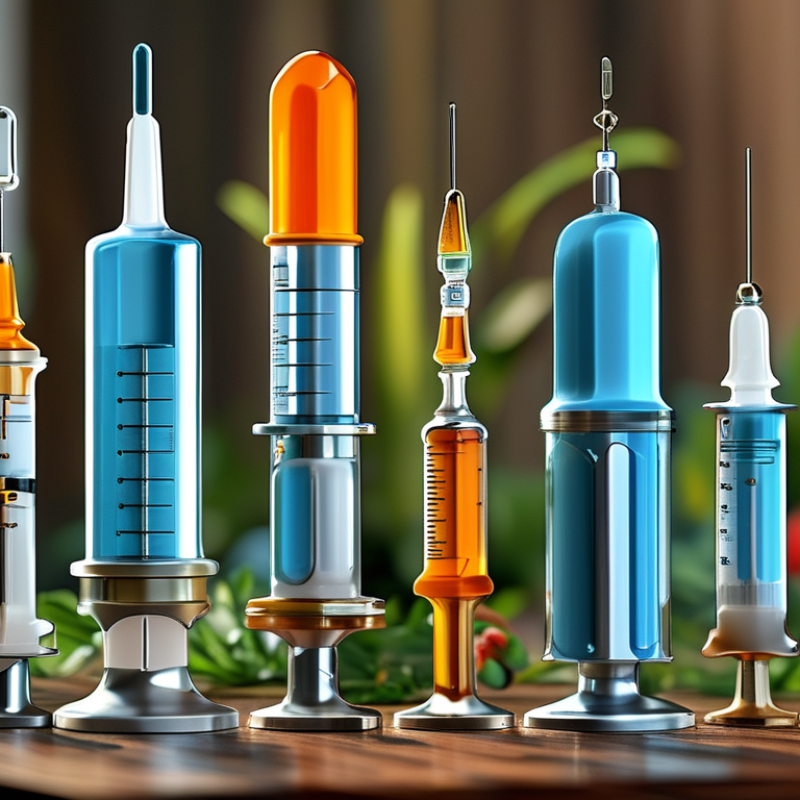
2026 Best Insulin Needle Options for Global Buyers?
Selecting the right Insulin Needle is crucial for effective diabetes management. With various options available globally, buyers face a daunting task. The right choice impacts not only comfort but also health outcomes.
Many factors influence the selection of Insulin Needles. These include needle length, gauge, and type of insulin being used. Understanding these details can significantly reduce anxiety during injections. Users often report that the wrong needle can lead to discomfort.
Moreover, the market is flooded with different brands and specifications. This diversity can be overwhelming, yet offers a chance to find the best fit for individual needs. Some may overlook the importance of consulting healthcare professionals for guidance. Recognizing this gap can lead to better experiences in using insulin delivery.
Overview of Insulin Needle Types Available in 2026
As we approach 2026, the landscape of insulin needles continues to evolve. The primary types of insulin needles available include standard, ultra-thin wall, and safety needles. Each category serves specific user needs. Standard needles typically come in lengths ranging from 4mm to 12mm, offering versatility for various users. Ultra-thin wall needles allow for a higher flow rate, which means users can inject insulin more quickly and comfortably.
According to a recent report by the International Diabetes Federation, about 463 million adults worldwide were living with diabetes in 2019, a number expected to rise. With such a large population of insulin-dependent patients, the importance of comfortable and effective needle options cannot be overstated. While thinner needles may reduce pain, they can also sometimes lead to inaccurate dosing, prompting reflections on ideal designs that enhance user experience while maintaining dosing precision.
Moreover, the emergence of smart needles is noteworthy. These devices can offer real-time data about glucose levels or even inject doses at scheduled times. However, advancement comes with challenges. Not all users may feel comfortable with technological interfaces. Achieving a balance between innovation and user-friendliness remains a vital area for improvement in the industry. As the year progresses, the options available for insulin delivery will continue to shape the diabetic care landscape.
Key Features to Consider When Choosing Insulin Needles
When selecting insulin needles, several key features deserve careful consideration. The gauge of the needle is crucial, as smaller gauges provide a finer needle, which often results in less pain during injections. Studies show that 30G needles are the most commonly preferred choice for patients. They offer a good balance between comfort and sufficient insulin delivery.
Another important factor is the needle length. For subcutaneous injections, a length between 4mm to 6mm is typically effective for most adults. These shorter needles minimize skin penetration, reducing the risk of hitting muscle tissue. Data from recent surveys indicate that 55% of healthcare professionals recommend the shorter lengths for their patients to ease the injection process.
Additionally, lubrication can enhance the experience. Needles with silicone coatings can decrease friction, making injections smoother. Reports indicate that up to 45% of users find coated needles less painful. However, consider that individual experiences may vary. Some users may still feel discomfort, and it's essential to test different options to find what works best for each person.
Top Global Brands for Insulin Needles in 2026
As the global demand for diabetes management rises, selecting the right insulin needle is crucial. In 2026, experts suggest focusing on needles that offer comfort, accuracy, and safety. Recent studies indicate that user satisfaction greatly correlates with needle thickness and length. For instance, thinner needles cause less pain and anxiety for users. The World Health Organization reports that over 422 million people worldwide have diabetes, pushing for innovations in medical devices.
Leading brands in 2026 prioritize advanced materials and ergonomic designs. These innovations aim to minimize discomfort and maximize the safety of injections. A report by the International Diabetes Federation emphasizes that frequent needle changes can reduce injection-related complications. It's vital for consumers to understand that not all needles are created equal. Factors such as gauge and lubrication impact the overall experience.
Feedback from users reflects mixed sentiments about needle design and effectiveness. Some report issues with needle breakage, raising questions about quality control. Others highlight the importance of easy handling for those with limited dexterity. Studies show that educating patients on proper usage can enhance their experience significantly. Buyers should consider these aspects while navigating their choices in needle options.
2026 Best Insulin Needle Options for Global Buyers
| Needle Type | Gauge | Length (mm) | Needle Tip | Special Features |
| Standard Insulin Needle | 30 | 6 | Bevel | Single use, ultra-thin wall |
| Short Insulin Needle | 32 | 4 | Bevel | Pain-free, coated for easier insertion |
| Insulin Pen Needle | 31 | 5 | Ultra-thin | Compatible with most insulin pens |
| Safety Insulin Needle | 30 | 6 | Bevel | Safety mechanism to prevent needle stick injuries |
| Eco-friendly Needle | 30 | 6 | Bevel | Made from sustainable materials |
Comparative Analysis of Needle Sizes and Lengths
When choosing insulin needles, size and length play a crucial role. Different patients require tailored options based on their specific needs. A study from the Diabetes Technology Society emphasizes the importance of matching needle length to the patient's body type. For instance, shorter needles (4mm to 6mm) are often recommended for those with a lower BMI. Conversely, longer needles (8mm to 12mm) may be necessary for patients with higher body fat.
Needle gauge also significantly affects comfort and efficacy. A report from the American Diabetes Association indicates that finer gauges (30G to 32G) tend to cause less discomfort compared to thicker ones. Interestingly, while many patients prefer a smaller gauge for pain reduction, there's a need for education on the potential for increased resistance when injecting with finer needles. This trade-off can lead to improper dosages, which healthcare professionals must address.
Feelings of anxiety and misinformation can arise in patients when selecting needles. Patients should consult professionals to learn about the different options. While many factors influence the choice, it’s essential to consider personal comfort in the use of needles. Quality education could reduce the dread associated with injections. Understanding the advantages and drawbacks of various sizes can empower patients and improve their overall experience.
User Reviews and Recommendations for Best Insulin Needles
When it comes to insulin needle options, user reviews play a crucial role. Many individuals have shared their experiences with different needle types, highlighting what works best for them. A commonly mentioned aspect is comfort. Users often emphasize the importance of a needle that minimizes pain during injection. Needles with finer gauges tend to receive positive feedback due to their smaller size.
Another factor frequently discussed is the length of the needle. Some users prefer shorter needles for their ease of use. Others find longer needles necessary for effective insulin delivery. It’s important for buyers to consider personal body type and injection site. A user shared that experimenting with various lengths helped them find the perfect fit.
Reliability and quality are paramount. Feedback indicates that needles should be consistent in performance. Durability is also a concern; some users noted issues with bending during injections. This can lead to frustration and even affect the insulin dosage. Therefore, research and personal trials are essential before making a decision.