
2026 Top Soprano Titanium Laser Suppliers and Prices
The 2026 market for Soprano Titanium Laser systems reflects growing demand for efficient, non-invasive hair reduction. Clinics increasingly seek platforms that combine treatment speed, patient comfort, and flexible operating costs. Alma’s Soprano Titanium uses three diode wavelengths, including 755, 810, and 1064 nanometers. This design supports different hair depths and skin types, when operated correctly.
Market data explains the commercial interest. Grand View Research valued the global medical aesthetics market at approximately USD 18.5 billion in 2023 and expects continued expansion through 2030. The ISAPS Global Survey 2023 also reported strong worldwide demand for non-surgical aesthetic procedures. These figures support a broader opportunity, but they do not establish a fixed price for one laser platform. Device configuration matters.
Supplier quotations can differ substantially. New systems may include installation, staff training, warranty coverage, cooling upgrades, and software support. Refurbished units often cost less, yet their handpiece condition and service history require close inspection. Prices may also change with regional distribution rights, taxes, shipping, and currency movements. A low quotation is not always economical.
This guide reviews leading Soprano Titanium Laser suppliers and indicative 2026 pricing factors. It compares technical specifications, supplier credibility, after-sales support, and ownership costs. Information should be verified directly with authorized distributors and current manufacturer documentation. Industry reports describe market direction, not guaranteed clinic revenue. That distinction matters. A careful buyer should request serial numbers, service records, treatment indications, and written warranty terms before purchase.
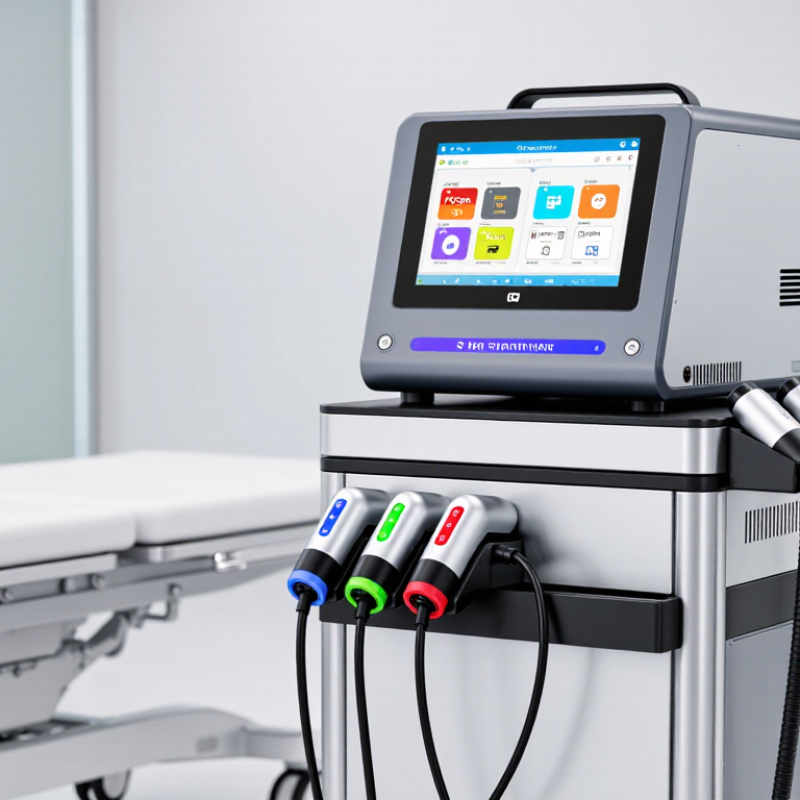
Table of Contents [Hide]
Soprano Titanium Laser Technology and Treatment Applications
Multi-wavelength titanium laser systems combine 755, 810, and 1064 nanometer energy in one platform. This design targets different hair depths and skin characteristics. Cooling protects the epidermis while controlled pulses heat the follicle. The main application remains long-term hair reduction on the face, arms, legs, back, and bikini area. Some clinics also use similar platforms for selected vascular and pigmentation concerns, but protocols differ significantly.
Market demand is expanding. Grand View Research estimated the global aesthetic lasers market at approximately US$1.6 billion in 2023. Fortune Business Insights valued the laser hair removal market near US$1.0 billion that year. These figures show commercial momentum, not guaranteed clinical outcomes. Treatment results depend on wavelength selection, fluence, pulse duration, hair colour, skin type, and operator training. Darker skin requires careful settings and reliable cooling. Small mistakes can cause burns or temporary pigmentation changes.
For 2026 purchasing decisions, compare supplier prices with service coverage, calibration, training, warranty length, and replacement handpiece costs. Low quotations may exclude installation or clinical education. A practical evaluation should request treatment protocols, maintenance records, and independent safety documentation. Prices can vary widely by configuration and region. The specification sheet rarely tells the whole story. That part deserves more scrutiny.
2026 Top Soprano Titanium Laser Suppliers and Prices - Soprano Titanium Laser Technology and Treatment Applications
| Supplier Type | Typical Supply Region | System Configuration | Core Technology | Indicative 2026 Price | Typical Lead Time | Main Applications | Key Purchasing Checks |
|---|---|---|---|---|---|---|---|
| Authorized medical-aesthetic distributor | North America, Western Europe, Australia | New complete platform with treatment handpiece, cooling module, trolley and installation | Multi-wavelength diode laser architecture using approximately 755 nm, 810 nm and 1064 nm emission; integrated contact cooling | US$85,000–US$145,000 | 4–12 weeks | Hair reduction, skin cooling-assisted treatments, selected vascular and pigmentation protocols where clinically indicated | Local registration, factory warranty, training, service response time, laser safety documentation and included accessories |
| Regional aesthetic-equipment distributor | Middle East, Southeast Asia, Latin America | New system supplied with local delivery, basic operator training and optional maintenance contract | Three-wavelength diode delivery with adjustable fluence, pulse duration and repetition rate; chilled sapphire contact tip | US$70,000–US$125,000 | 6–16 weeks | Large-area hair reduction for different skin types, including gradual low-fluence treatment protocols | Import duties, voltage compatibility, spare handpiece availability, technician coverage and consumable costs |
| Certified pre-owned equipment specialist | United States, Canada and European Union | Inspected pre-owned platform with service history, calibration report and limited warranty | Existing multi-wavelength diode system; output and cooling performance depend on service condition | US$38,000–US$82,000 | 2–8 weeks | Routine clinic hair-reduction services and treatment-room expansion | Total pulse count, handpiece condition, cooling-temperature test, electrical safety test, software access and return policy |
| Refurbishment and service provider | Global export markets | Refurbished console or replacement handpiece supplied after inspection and functional testing | Diode-array replacement, optical-path inspection and cooling-system maintenance | US$8,000–US$28,000 for a handpiece US$35,000–US$75,000 for a refurbished system | 2–10 weeks | Repair, backup equipment and replacement of worn treatment components | Compatibility with the console, diode output uniformity, cooling performance, warranty period and availability of original or approved parts |
| Medical equipment leasing provider | North America, Europe and selected Asia-Pacific markets | New or certified pre-owned system under a 36–60 month lease or managed equipment agreement | Same clinical platform specifications as the underlying new or pre-owned unit | Approximately US$1,700–US$4,800 per month | 3–10 weeks after credit approval | Clinics seeking lower initial capital expenditure and predictable monthly payments | Total repayment, residual value, maintenance responsibility, insurance, early termination and ownership options |
Pricing note: The figures are indicative 2026 market ranges in U.S. dollars for equipment-only or equipment-led transactions. Final quotations vary by configuration, country, taxes, shipping, installation, training, warranty coverage, regulatory requirements and financing terms.
Technology and Treatment Reference
| Dimension | Typical Specification or Use | Practical Significance |
|---|---|---|
| Wavelength configuration | Approximately 755 nm, 810 nm and 1064 nm diode wavelengths | Allows operators to select or combine wavelength delivery according to hair characteristics, skin type and treatment protocol. |
| Cooling method | Continuous contact cooling through a chilled treatment tip | Helps protect the epidermis and improve patient comfort when treatment parameters are appropriately selected. |
| Hair-reduction mechanism | Selective photothermolysis targeting melanin in the hair shaft and follicular structures | Best results generally require multiple sessions because hair follicles respond differently during the growth cycle. |
| Common treatment areas | Face, underarms, bikini area, arms, legs, back and chest | Large spot sizes and repetitive-motion techniques can support efficient treatment of broad body areas. |
| Treatment planning | Fluence, pulse duration, repetition rate and cooling settings adjusted by a trained professional | Parameters must be adapted to skin type, hair color, hair thickness, treatment area and prior response. |
| Safety and compliance | Qualified operator, protective eyewear, documented maintenance and applicable medical-device compliance | A supplier should provide operator training, service records, risk documentation and country-specific regulatory support. |